
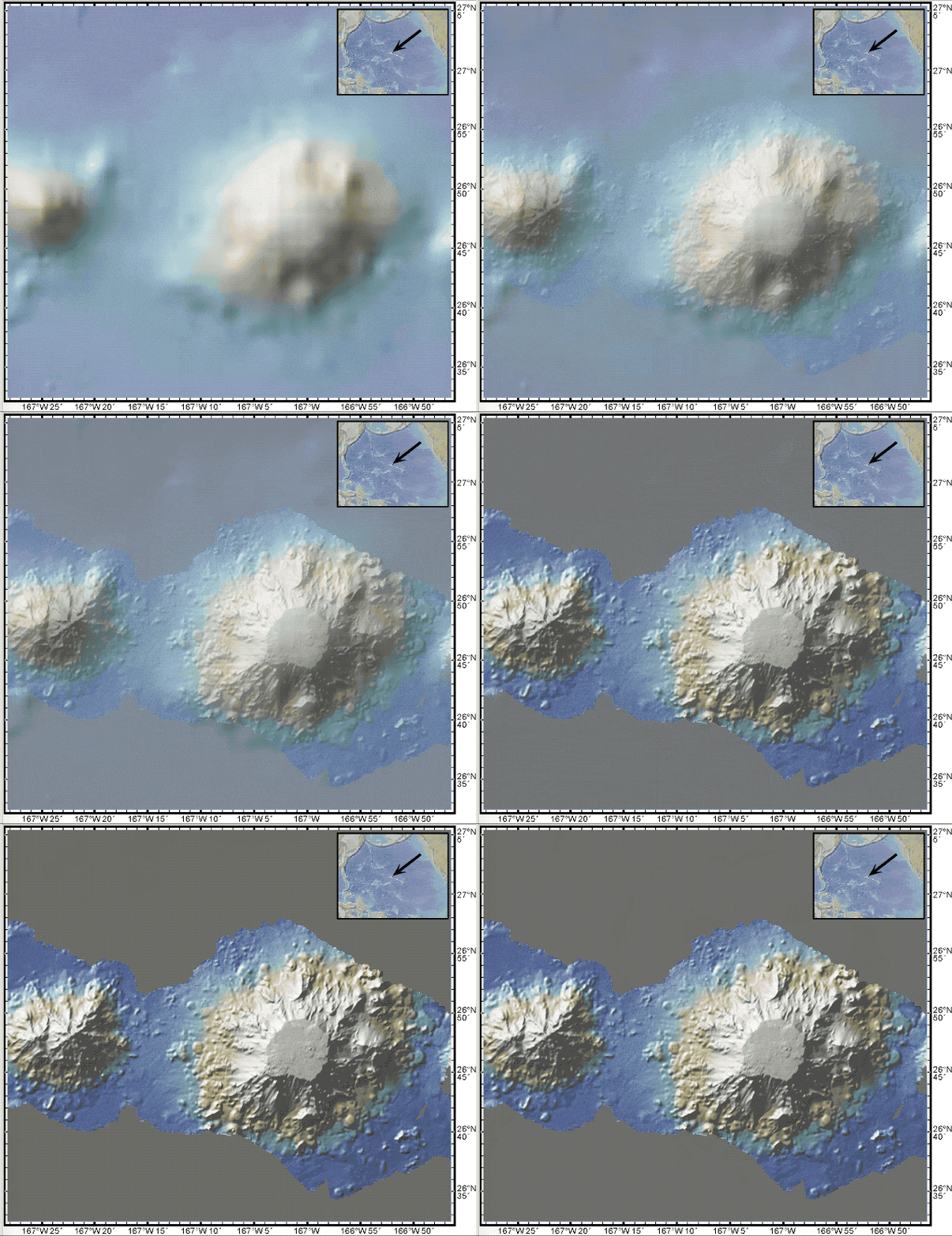
Humanity knows more about the surface of the Moon than we know about our own planet’s seafloor. Ocean explorer Vicki Ferrini is on a mission to change that. Ferrini’s work focuses on seabed mapping and characterization, and ensuring that marine geoscience data are accessible to scientists and to the public.
Ferrini leads a division of the Nippon Foundation-GEBCO Seabed 2030 Project, which is pursuing an ambitious goal: to chart the entire global ocean floor by 2030. When this project began in 2017, only about 6% of the ocean was mapped in detail. By last summer, Ferrini and colleagues had brought together data shared by numerous organizations and projects around the world to create a new map in which roughly 20% of the seafloor is based on detailed observations.
This work and her remarkable career garnered special recognition this week. The Lamont-Doherty senior research scientist, ocean geophysicist, and geoinformatics expert was selected among a pool of hundreds of nominees as one of the “Explorers Club 50: Fifty People Changing the World the World Needs to Know About.” The new honor was created by the 117-year-old organization to “not only reflect the great diversity of exploration, but to give a voice to these trailblazing explorers, scientists, and activists doing incredible work.”
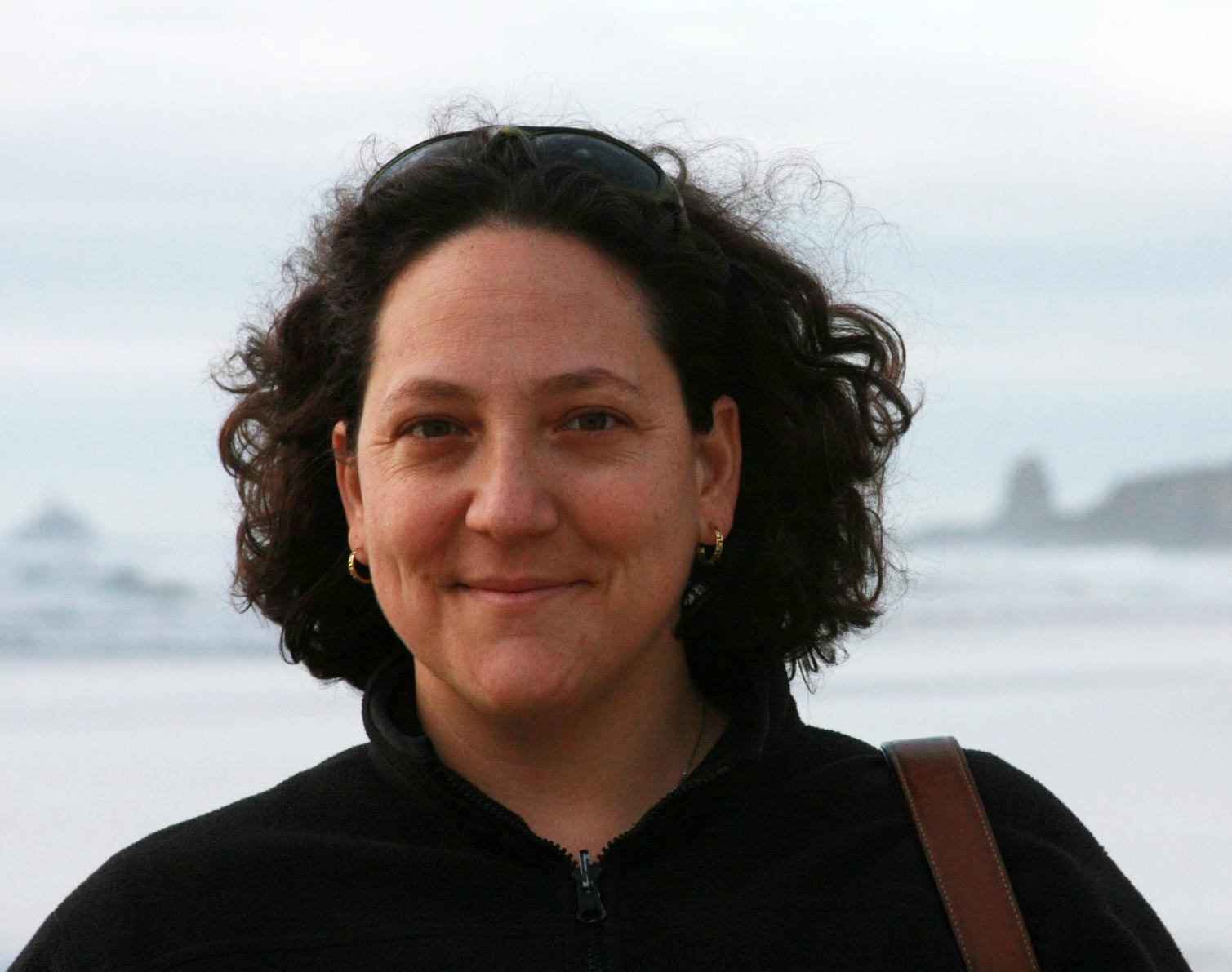
In the Q&A below, Ferrini speaks about her transformative work and this honor.
The Explorers Club has spent more than century celebrating the courageous game-changers of the world, and counts among its members the first to the North Pole, first to the South Pole, first to the summit of Mount Everest, first to the deepest point in the ocean, first to the surface of the moon. How do you feel about being among the inaugural class of its “Fifty People Changing the World”?
It’s a very exciting and inspiring organization and group of people. To be recognized by that group is especially nice. What feels particularly good for me is that they are recognizing the kind of work I do. I am not a traditional scientist interested in studying particular processes. My work focuses on mapping the seafloor and making marine geoscience data accessible. So, with this recognition, I get to sort of sing my song about the importance of this work and have that be heard. Really exciting!
The Explorers Club described the EC50 program as a way to increase diversity and inclusion within its community. Do you see this as an effective way to do that?
Yes. They’re casting a different net with this, looking at activism and different aspects of exploration that touch on diversity and inclusion, which is timely. There’s so much more we can do by actually pursuing more diversity and inclusion and recognizing different contributions people make to everything, and especially in this case, exploration.
The Explorers Club recognized you in part because of your leadership on the Nippon Foundation-GEBCO Seabed 2030 Project. How is this work changing the world?
I think of it as a movement and a call to action, because we’re really trying to figure out how to get everyone who is in this space, and all of the assets that exist, and new technology that’s coming on line, to come together to solve a very complex puzzle. It’s a data puzzle, it’s a geospatial puzzle, and it’s a social puzzle. Historically, the academic communities have done a lot in terms of sharing data and bringing it together. A lot of governments have done the same. There’s been good coordination and partnership between academia and government in many countries, but now we’re really trying to extend that to the private sector and private citizens. In theory, anyone who can acquire data can contribute. Everyone in the world can also benefit from the work we’re doing.
Why is making sure the project “brings the whole world along,” in your words, such an important piece of the project?
I often talk about how, sitting in the U.S., with a lot of policies and procedures in place that make it easy for me to access data, is a very privileged place to sit. We are required to make data available; it’s become part of our culture. Other parts of the world are not as free to do that. Some countries have laws that prevent them from sharing data. People can’t be as fully open. So really trying to figure out how to bring everyone to the table with what they are able and willing to share and to find mutual benefit is particularly exciting.
What is it about the work that you find especially gratifying?
I explore the ocean not just by going to sea. I explore it every day with data. While I’m doing all the work with digital data, I’m also building a mental map. I can tell you what different parts of the seafloor look like in detail because it’s in my head.
Never miss a breakthrough: Join the SciTechDaily newsletter.
Follow us on Google and Google News.