
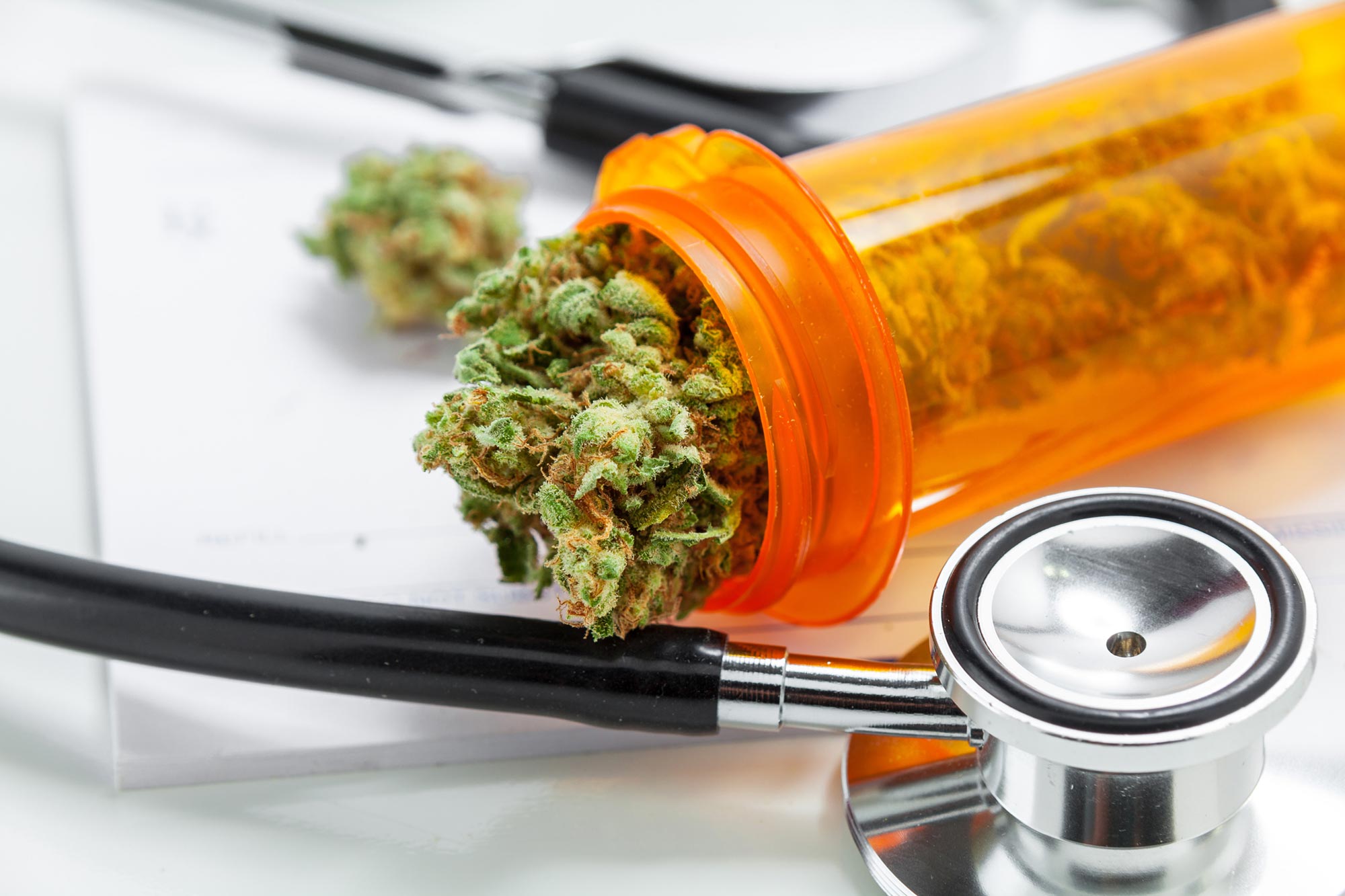
A large review led by UCLA Health reports that medical cannabis does not have strong scientific evidence for most of the conditions it is commonly used to treat, including chronic pain, anxiety, and insomnia.
The analysis, published in JAMA, examined more than 2,500 studies released between January 2010 and September 2025. These included randomized clinical trials, meta-analyses, and clinical guidelines. Researchers gave special attention to more than 120 studies that stood out for their large sample sizes, recent publication dates, relevance, and range of topics. The findings arrive as cannabis and cannabinoids such as CBD continue to gain popularity. A 2018 survey found that 27% of people in the U.S. and Canada reported using cannabis for issues like pain relief, anxiety, and sleep difficulties.
Public Perception and Scientific Evidence Do Not Align
Dr. Michael Hsu of UCLA Health, the review’s first author, said many people believe cannabis provides broad medical benefits, even though the latest research often does not support those beliefs.
“While many people turn to cannabis seeking relief, our review highlights significant gaps between public perception and scientific evidence regarding its effectiveness for most medical conditions,” said Hsu, health sciences clinical assistant professor at the UCLA Health Department of Psychiatry and Biobehavioral Sciences. “Clear guidance from clinicians is essential to support safe, evidence-based decision-making when discussing medical cannabis with their patients.”
Proven Benefits Are Limited to Specific Conditions
The review found that pharmaceutical-grade cannabinoid products approved by the U.S. Food and Drug Administration do show clear benefits, but only for a small number of conditions. These include treatments for HIV/AIDS-related appetite loss, chemotherapy-induced nausea and vomiting, and certain severe pediatric seizure disorders such as Dravet syndrome and Lennox-Gastaut syndrome.
Outside of these uses, evidence supporting cannabis-based treatments remains unclear or insufficient. Even though more than half of medical cannabis users report using it to manage chronic pain, current clinical guidelines advise against cannabis-based medicines as a first-line option for chronic pain treatment.
Mental Health and Cardiovascular Risks Highlighted
The researchers also examined potential health risks linked to cannabis use. Long-term data from adolescents suggested that high-potency cannabis may be associated with higher rates of psychotic symptoms (12.4% versus 7.1% for low-potency) as well as generalized anxiety disorder (19.1% versus 11.6%).
The review also found that about 29% of people using medical cannabis met the criteria for cannabis use disorder. Daily use, especially involving inhaled and/or high-potency products, may be tied to increased cardiovascular risks. These include higher rates of coronary heart disease, heart attack, and stroke when compared with non-daily use.
Guidance for Clinical Decision-Making
Based on these findings, the authors stress that clinicians should screen patients for cardiovascular disease and psychotic disorders, review possible drug interactions, and carefully weigh potential risks against benefits before recommending THC-containing products for medical use.
“Patients deserve honest conversations about what the science does and doesn’t tell us about medical cannabis,” Hsu said.
Study Limitations and Need for Further Research
The authors also outlined several limitations of their work. The analysis was not a systemic review and did not include a formal risk of bias assessment. Some of the studies reviewed were observational, which means their results could be influenced by confounding factors. In addition, conclusions drawn from clinical trials may not apply to all patients because of differences in study design, patient populations, and the cannabis products tested.
“Further research is crucial to better understand the potential benefits and risks of medical cannabis. By supporting more rigorous studies, we can provide clearer guidance and improve clinical care for patients,” said Dr. Hsu.
Reference: “Therapeutic Use of Cannabis and Cannabinoids: A Review” by Michael Hsu, Arya Shah, Ayana Jordan, Mark S. Gold and Kevin P. Hill, 26 November 2025, JAMA.
DOI: 10.1001/jama.2025.19433
Researchers from Harvard, UC San Francisco, Washington University School of Medicine, and New York University contributed to the study.
Never miss a breakthrough: Join the SciTechDaily newsletter.
Follow us on Google and Google News.
10 Comments
The sordid truth is that people just want to get buzzed/high and tying cannabis to medical benefits was an easy way to get there.
Right, you have all the answers for everybody! You don’t know anything of any value that helps anyone! SHUT UP!!!!
Looking forward to when cannabis is made illegal again.
The sordid truth is that arrogant, in-your-face, I wanna tell you how to roll, based on my personal feelings, needs to keep their pushy noses out of my face. Weed may be slightly problematic for some people, but for the most part, it is harmless. Psychopaths who are trying to prohibit harmless behaviors in others to get a power rush are risking their own lives needlessly. I advocate for more people to seek out and harass those kinds of people and perhaps forcefully tattoo warning labels on their faces to deter such psychopathy.
Ha! I’m surprised to only get one naysayer response. Perhaps you missed this recent report? And how many of these crashes ALSO caused innocent passengers or people in other cars to be killed by a driver high on THC? Weed harmless? Think again.
—-
Nearly half of drivers killed in crashes had THC in their blood
THC-impaired driving deaths are soaring, and legalization hasn’t slowed the trend.
October 5, 2025
American College of Surgeons
Summary:
Over 40% of fatal crash victims had THC levels far above legal limits, showing cannabis use before driving remains widespread. The rate didn’t drop after legalization, suggesting policy changes haven’t altered risky habits. Experts warn that the lack of public awareness around marijuana’s dangers behind the wheel is putting lives at risk.
…
https://www.sciencedaily.com/releases/2025/10/251005085621.htm
Speaking of legalization, from what I have read, the admissions to hospital emergency rooms spiked throughout the country when various states legalized even medical marijuana, suggesting that Jojo’s remark was not far from the mark.
What about cannabis without the THC?
Laurence
As far as I’m concerned, you should be free to do as you please with your body, including shortening its lifespan. However, to suggest that “for the most part, it is harmless,” is rationalization not supported by this and other studies, and therefore putting other people at risk. You are claiming motivations for people for which you have no statistical evidence. YOU are the one who is a risk to others, particularly when you advocate harassment of people who believe differently than you do, and forceful disfigurement of those who point out the lack of evidence to support apparent efficacy that can just as easily be assigned to the placebo effect. You might want to consider why you reacted so strongly as to suggest violent suppression of differing viewpoints.
““Patients deserve honest conversations about what the science does and doesn’t tell us about medical cannabis,” Hsu said.” This statement should apply to all drugs and surgical procedures doctors prescribe. All drugs have side effects and interactions that are rarely told to patients, and polypharmacy is a real problem with uncertain outcomes that are never mentioned. Alternative therapies are ignored. Lifestyle factors are ignored. Medicine gets people addicted and dependent on its drugs, from PPIs to SSRIs to BP medications, and more. So there is a bit of hypocrisy in Hsu’s statement.
Also, studies of marijuana’s impact need to consider placebo effects. If people think it will help them, it often does for due to that expectation.
I don’t know how or where you are getting your prescriptions filled, but my VA pharmacy always gives me a list of known side effects and contraindications. If I have questions, I can always call in and talk with a pharmacist, nurse, or sometimes the prescribing doctor.