

Close Menu
    Facebook X (Twitter) Instagram
    SciTechDaily
    • Biology
    • Chemistry
    • Earth
    • Health
    • Physics
    • Science
    • Space
    • Technology
    Facebook X (Twitter) Pinterest YouTube RSS
    SciTechDaily
    Home»Science»Meet the Wild Yeasts From Patagonia Making Your Next Lager Unforgettable
    Science

    Meet the Wild Yeasts From Patagonia Making Your Next Lager Unforgettable

    By PLOSJune 23, 20241 Comment3 Mins Read
    Facebook Twitter Pinterest Telegram LinkedIn WhatsApp Email Reddit
    Share
    Facebook Twitter LinkedIn Pinterest Telegram Email Reddit
    Glasses of Lager Beer
    Researchers at the Universidad de Santiago de Chile have developed new lager yeast strains by combining wild yeast from Patagonia with traditional brewer’s yeast. This method produced strains with distinct aromas and increased alcohol output, leveraging genetic diversity to potentially expand lager flavor profiles.

    Hybrids of wild Patagonian strains and traditional brewer’s yeast had mutations that enhanced alcohol production.

    Researchers Jennifer Molinet and Francisco Cubillos from the Universidad de Santiago de Chile have developed new yeast strains for lager beer production by combining wild yeast from Patagonia with traditional brewer’s yeast. Published in the journal PLOS Genetics on June 20, their study reveals that these hybrid yeasts can introduce unique flavors and aromas to lager beers.

    Lagers, which represent more than 90% of the global beer market, are typically brewed at low temperatures. The range of flavors and aromas in lagers has been traditionally limited due to the minimal genetic diversity of the yeasts used. Currently, the industry relies on only two types of yeast, both of which are hybrids of the common brewer’s yeast (Saccharomyces cerevisiae) and a wild strain adapted to cold environments (Saccharomyces eubayanus).
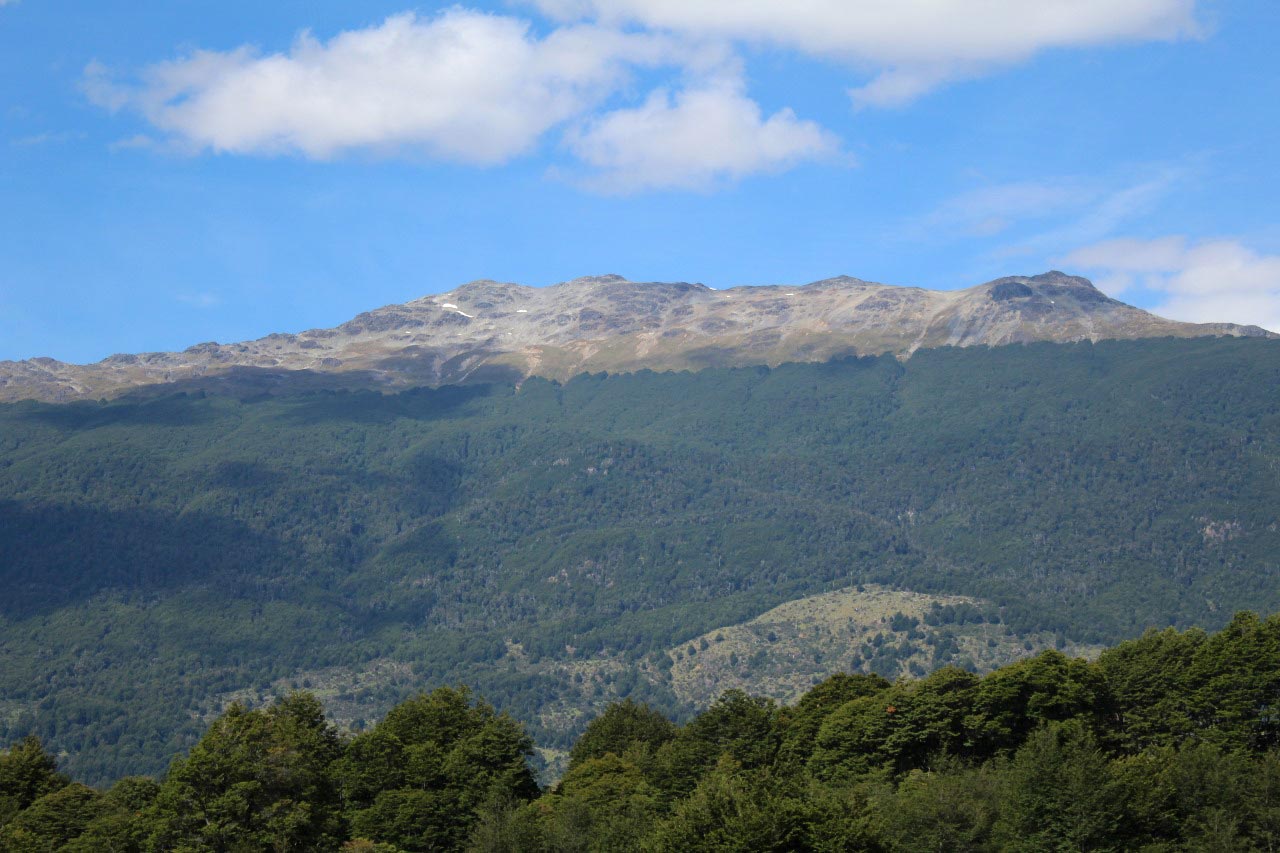
    Wild Yeast Patagonia Mountains
    Yeast from the Patagonia Mountains. Credit: Francisco Cubillos, (CC-BY 4.0)

    Enhancing Lager With Hybrid Yeasts

    In the new study, researchers created new types of lager yeasts in the lab by hybridizing brewer’s yeast with natural isolates of wild S. eubayanus from Patagonia at low temperatures. They grew the resulting hybrids in ways to encourage their fermentation qualities. Further analysis showed that the strains had mutations in genes that enhanced their ability to metabolize certain types of sugars, which resulted in unique aroma profiles and high alcohol production. The researchers said the success of the new strains could be traced back, in part, to the fact that they inherited their mitochondria – the organelle that powers the cell – from the cold-tolerant wild strains, not the brewer’s yeast.

    Overall, the new findings show that the genetic diversity found in wild yeast strains can be tapped to develop new lager yeasts that are suitable for industrial production. The study’s authors encourage others to explore wild yeasts as a way to expand the range of currently available beer styles.

    Future Prospects

    The authors add: Our study takes advantage of the great genetic diversity of wild Patagonian yeast to create novel hybrid strains of lager beer with enhanced fermentation capacity and unique aroma profiles. Through interspecific hybridization, experimental evolution, and the identification of fermentation-associated genetic changes, we expand the repertoire of industrial yeast available for lager brewing.

    Reference: “Wild Patagonian yeast improve the evolutionary potential of novel interspecific hybrid strains for lager brewing” by Jennifer Molinet, Juan P. Navarrete, Carlos A. Villarroel, Pablo Villarreal, Felipe I. Sandoval, Roberto F. Nespolo, Rike Stelkens and Francisco A. Cubillos, 20 June 2024, PLOS Genetics.
    DOI: 10.1371/journal.pgen.1011154

    This research was funded by Agencia Nacional de Investigación y Desarrollo (ANID) FONDECYT program and ANID-Programa Iniciativa Científica Milenio – ICN17_022 and NCN2021_050. FAC is supported by FONDECYT grant N° 1220026, JM by FONDECYT POSTDOCTORADO grant N° 3200545 and PV by ANID FONDECYT POSTDOCTORADO grant N° 3200575. CAV is supported by FONDECYT INICIACIÓN grant N° 11230724. RFN is supported by FONDECYT grant N° 1221073. RS and JM’s work is supported by the Swedish Research Council (2022-03427) and the Knut and Alice Wallenberg Foundation (2017.0163). FIS, JM, and PV received a salary from FONDECYT grant N° 1220026, FONDECYT POSTDOCTORADO grants N° 3200545 and N° 3200575, respectively.

    Never miss a breakthrough: Join the SciTechDaily newsletter.
    Follow us on Google and Google News.

    Beer Evolution Genetics PLOS Yeast
    Share. Facebook Twitter Pinterest LinkedIn Email Reddit

    Related Articles

    Shocking Research Finds DNA From an Ancient, Unidentified Ancestor Was Passed Down to Humans Living Today

    One-in-a-Million “Shellebrity” Garden Snail: Global Campaign Finds Two Lefties Make a Right

    Earliest Modern Artifacts in Europe – Blade-Like Tools and Teeth Pendants – Were Created by Homo Sapiens

    Neandertals Dove Underwater to Collect Clam Shells to Use as Tools

    Unraveling the Mystery of Neanderthal Death Rites – Discovery at ‘Flower Burial’ Site Offers “Unparalleled Opportunity”

    Scientists Reveal the Complex Story Behind the Beaker Phenomenon

    Examining the Genes of Stone Age Farmers

    Stickleback Fish Used Pre-Existing Genes to Go from Saltwater to Freshwater Environments

    Researchers Discover that Prions Play Role in Yeast Survival and Evolution

    1 Comment

    1. Leslie Johnson on June 23, 2024 4:14 pm

      I wonder if this can be applied to top fermenting ale yeasts, which nearly all home brewers use.

      Reply
    Leave A Reply Cancel Reply

    • Facebook
    • Twitter
    • Pinterest
    • YouTube

    Don't Miss a Discovery

    Subscribe for the Latest in Science & Tech!

    Trending News

    Scientists Discover 132-Million-Year-Old Dinosaur Tracks on South Africa’s Coast

    Scientists Uncover the Secret Ingredient Behind the Spark That May Have Started Life on Earth

    Physicists Observe Matter in Two Places at Once in Mind-Bending Quantum Experiment

    Stanford Scientists Discover Hidden Brain Circuit That Fuels Chronic Pain

    New Study Reveals Why Ozempic Works Better for Some People Than Others

    Climate Change Is Altering a Key Greenhouse Gas in a Way Scientists Didn’t Expect

    New Study Suggests Gravitational Waves May Have Created Dark Matter

    Scientists Discover Why the Brain Gets Stuck in Schizophrenia

    Follow SciTechDaily
    • Facebook
    • Twitter
    • YouTube
    • Pinterest
    • Newsletter
    • RSS
    SciTech News
    • Biology News
    • Chemistry News
    • Earth News
    • Health News
    • Physics News
    • Science News
    • Space News
    • Technology News
    Recent Posts
    • 320 Light-Years Away, a Planet Confirms a Fundamental Cosmic Assumption
    • Astronomers Solve Decades-Long Mystery About Saturn’s Spin – “Something Strange Was Happening”
    • Scientists Uncover Strange New State of Matter Inside Uranus and Neptune
    • The Crown Jewel of Dentistry? Breakthrough Tech Could Transform Tooth Repair
    • The Surprising Non-Medical Factor That Determines Cancer Survival
    Copyright © 1998 - 2026 SciTechDaily. All Rights Reserved.
    • Science News
    • About
    • Contact
    • Editorial Board
    • Privacy Policy
    • Terms of Use

    Type above and press Enter to search. Press Esc to cancel.