
Close Menu
    Facebook X (Twitter) Instagram
    SciTechDaily
    • Biology
    • Chemistry
    • Earth
    • Health
    • Physics
    • Science
    • Space
    • Technology
    Facebook X (Twitter) Pinterest YouTube RSS
    SciTechDaily
    Home»Science»Methane Released from Arctic Ocean Could Cause Climate Change
    Science

    Methane Released from Arctic Ocean Could Cause Climate Change

    By SciTechDailyDecember 16, 20112 Comments2 Mins Read
    Facebook Twitter Pinterest Telegram LinkedIn WhatsApp Email Reddit
    Share
    Facebook Twitter LinkedIn Pinterest Telegram Email Reddit
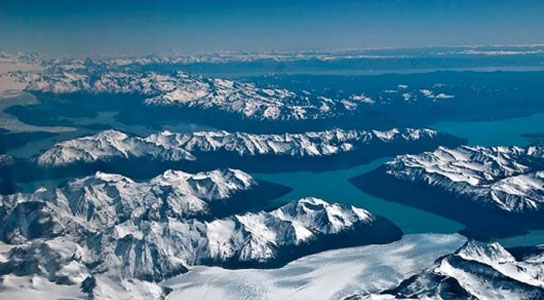
    Arctic Ice Melting
    Russian scientists have discovered hundreds of plumes of methane gas bubbling to the surface of the Arctic Ocean

    Score another point for global warming because changing conditions in the Arctic Ocean could have a drastic effect on the climate.

    Russian scientists have discovered hundreds of plumes of methane gas bubbling to the surface of the Arctic Ocean, according to The Independent. The gas, 20 times as harmful as carbon dioxide, is usually kept in check by Siberian permafrost and Arctic sea ice but rapidly rising temperatures across the region are causing these elements to melt, releasing the previously captured methane into the atmosphere. With studies estimating hundreds of millions of tons of methane gas locked away, a sudden release could result in rapid and severe climate changes on a global scale.

    Dr. Igor Semiletov, of the Far Eastern branch of the Russian Academy of Sciences, and his team published a study in 2010 that estimated methane emissions from this region were around eight million tons a year. That amount has changed substantially since then.

    “We carried out checks at about 115 stationary points and discovered methane fields of a fantastic scale – I think on a scale not seen before,” Dr. Semiletov says.  “Some plumes were a kilometer or more wide and the emissions went directly into the atmosphere – the concentration was a hundred times higher than normal.”

    Never miss a breakthrough: Join the SciTechDaily newsletter.
    Follow us on Google and Google News.

    Arctic Climate Change Global Warming Methane Weather
    Share. Facebook Twitter Pinterest LinkedIn Email Reddit

    Related Articles

    Climate Crisis Kills: Over Half of Europe’s 2022 Heat Deaths Attributed to Human Activity

    Warming Affects Economic Growth in Developing Nations

    Increased Methane Gas Levels Found Over Cracks in Arctic Sea Ice

    NASA Study Reveals Multi-Year Ice Declining Faster than Perennial Ice that Surrounds It

    Researchers Clarify Recycling Mechanism for Hydroxyl Radicals

    Earth’s Clouds are Getting Lower, May be in Response to Global Warming

    New Models Hone Picture of Climate Impact on Earth

    Researchers Believe Climate Change is Increasing Frequency of Storms

    Researchers Study the Link Between Gas Hydrates and Climate Warming

    2 Comments

    1. johnd2 on December 16, 2011 4:44 pm

      Methane disipates in single molecule burns and by being consumed by variousw tiny creatures. One has to ask how sustained its effect as a green house gas would be.

      Reply
    2. Madanagopal.V.C. on September 29, 2012 1:19 am

      Not only methane but any triatomic and polyatomic of the gases like CO2, SO2,CH4, SO3, NH3 ,CCl4 (Carbon Tetra Chloride) and even Ozone which is O3, are likely to be global warming gases because of the triatomic link which can take up more energy by changing the angle in between them compared to the dumb bell shape of diatomic molecule that are rigid and solid like. Methane is released by not only Arctic regions but also by water bodies throughout the world since innumerable water plants in the dams and on its shores are bound to decay and liberate methane. As the populations grow up on the earth their energy requirement is also keeping pace with the growth and liberation of global warming gases are inevitable. Repeated cyclic ice ages of the past speaks about this. What we can avoid is only delaying the calamity by burning less fuel or going for non conventional energy. Thank You.

      Reply
    Leave A Reply Cancel Reply

    • Facebook
    • Twitter
    • Pinterest
    • YouTube

    Don't Miss a Discovery

    Subscribe for the Latest in Science & Tech!

    Trending News

    Largest-Ever Study Finds Medicinal Cannabis Ineffective for Anxiety, Depression, PTSD

    250-Million-Year-Old Egg Solves One of Evolution’s Biggest Mysteries

    Living With Roommates Might Be Changing Your Gut Microbiome Without You Knowing

    Century-Old Cleaning Chemical Linked to 500% Increased Risk of Parkinson’s Disease

    What if Your Memories Never Happened? Physicists Take a New Look at the Boltzmann Brain Paradox

    One of the Universe’s Largest Stars May Be Getting Ready To Explode

    Scientists Discover Enzyme That Could Supercharge Ozempic-Like Weight Loss Drugs

    Popular Sweetener Linked to DNA Damage – “It’s Something You Should Not Be Eating”

    Follow SciTechDaily
    • Facebook
    • Twitter
    • YouTube
    • Pinterest
    • Newsletter
    • RSS
    SciTech News
    • Biology News
    • Chemistry News
    • Earth News
    • Health News
    • Physics News
    • Science News
    • Space News
    • Technology News
    Recent Posts
    • The Surprising Diet Rule That Makes “Good” Parasites Work
    • This Simple Blood Test Could Outperform “Bad Cholesterol” in Preventing Heart Disease
    • Scientists Uncover Potential Brain Risks of Popular Fish Oil Supplements
    • Scientists Prove There Are Just Six Degrees of Separation in a Social Network
    • Bee Bacteria Could Fix a Major Flaw in Plant-Based Milk
    Copyright © 1998 - 2026 SciTechDaily. All Rights Reserved.
    • Science News
    • About
    • Contact
    • Editorial Board
    • Privacy Policy
    • Terms of Use

    Type above and press Enter to search. Press Esc to cancel.