
Close Menu
    Facebook X (Twitter) Instagram
    SciTechDaily
    • Biology
    • Chemistry
    • Earth
    • Health
    • Physics
    • Science
    • Space
    • Technology
    Facebook X (Twitter) Pinterest YouTube RSS
    SciTechDaily
    Home»Chemistry»Microbial Magic: Genetic Tweaks Unlock Superior Bioplastics
    Chemistry

    Microbial Magic: Genetic Tweaks Unlock Superior Bioplastics

    By Kobe UniversityApril 9, 2024No Comments4 Mins Read
    Facebook Twitter Pinterest Telegram LinkedIn WhatsApp Email Reddit
    Share
    Facebook Twitter LinkedIn Pinterest Telegram Email Reddit
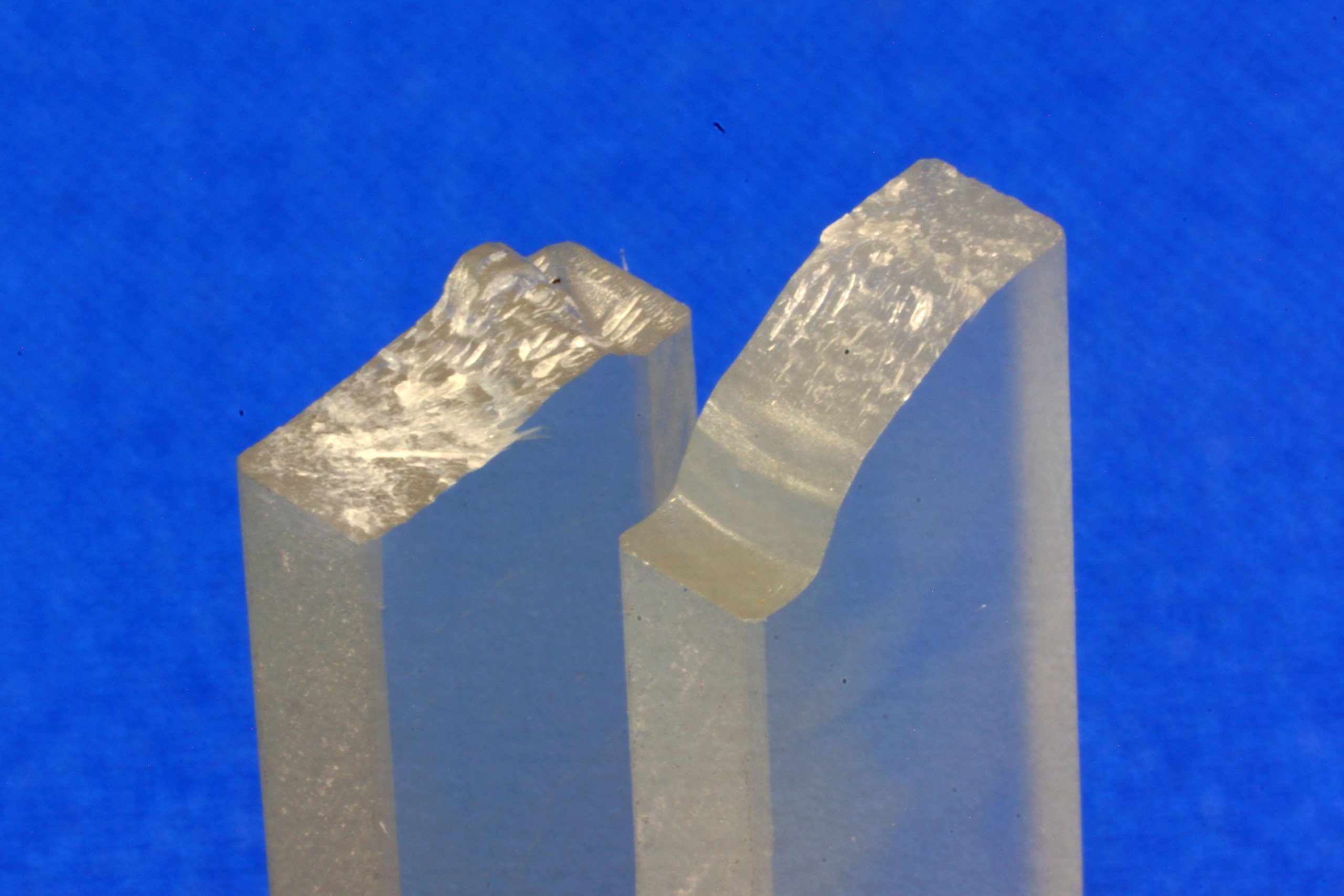
    Fractured Stick of Lactic Acid
    A fractured stick of lactic acid with added ultra-high molecular weight LAHB (left) exhibits obvious white discolorations at the fracture face, which is a sign of plastic deformation in toughened materials. On the other hand, pure polylactic acid (right) does not show such whitening, which is a sign of brittle materials. Credit: Sangho Koh

    Engineered bacteria can produce a plastic modifier that makes renewably sourced plastic more processable, more fracture-resistant and highly biodegradable even in sea water. The Kobe University development provides a platform for the industrial-scale, tunable production of a material that holds great potential for turning the plastic industry green.

    Plastic is a hallmark of our civilization. It is a family of highly formable (hence the name), versatile, and durable materials, most of which are also persistent in nature and therefore a significant source of pollution. Moreover, many plastics are produced from crude oil, a non-renewable resource. Engineers and researchers worldwide are searching for alternatives, but none have been found that exhibit the same advantages as conventional plastics while avoiding their problems. One of the most promising alternatives is polylactic acid, which can be produced from plants, but it is brittle and does not degrade well.

    Bioplastic Development at Kobe University

    To overcome these difficulties, Kobe University bioengineers around Seiichi Taguchi together with the biodegradable polymer manufacturing company Kaneka Corporation decided to mix polylactic acid with another bioplastic, called LAHB, which has a range of desirable properties, but most of all it is biodegradable and mixes well with polylactic acid. However, in order to produce LAHB, they needed to engineer a strain of bacteria that naturally produces a precursor, by systematically manipulating the organism’s genome through the addition of new genes and the deletion of interfering ones.
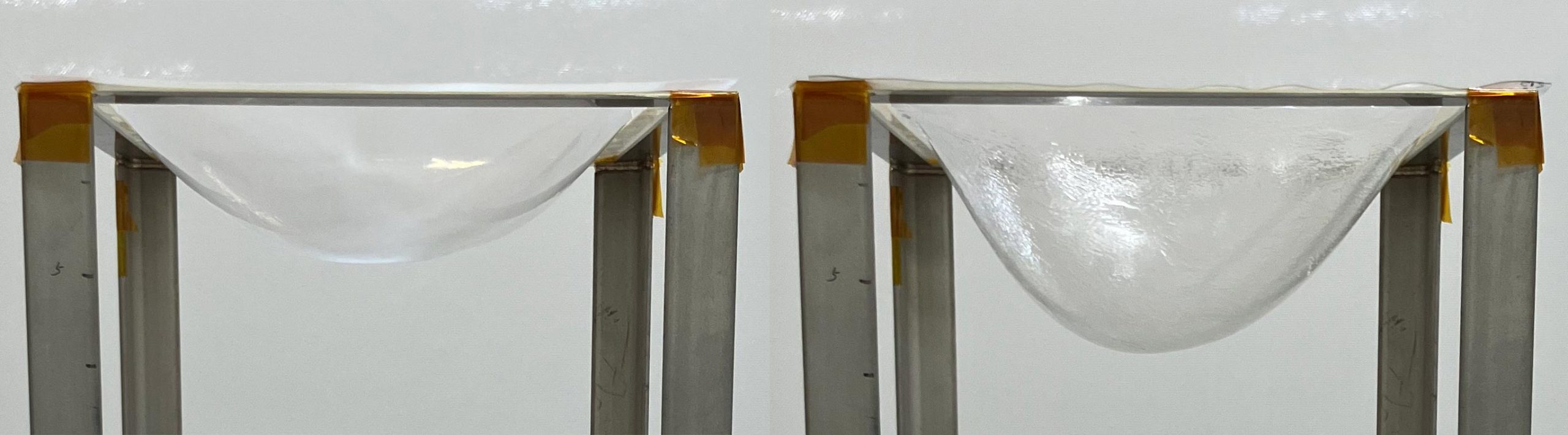
    LAHB-Added Polylactic Acid Sag
    Industrial manufacturing requires a high degree of melt tension, which can be demonstrated by how little a material sags when being warmed up. LAHB-added polylactic acid (left) sags much less than pure polylactic acid (right), proving that it is a better processable material. Credit: Sangho Koh

    Innovations in Bioplastic Production

    In the scientific journal ACS Sustainable Chemistry & Engineering, they now report that they could thus create a bacterial plastic factory that produces chains of LAHB in high amounts, using just glucose as feedstock. In addition, they also show that by modifying the genome, they could control the length of the LAHB chain and thus the properties of the resulting plastic. They were thus able to produce LAHB chains up to ten times longer than with conventional methods, which they call “ultra-high molecular weight LAHB.”

    Most importantly, by adding LAHB of this unprecedented length to polylactic acid, they could create a material that exhibits all the properties the researchers had aimed for. The resulting highly transparent plastic is much better moldable and more shock resistant than pure polylactic acid, and also biodegrades in seawater within a week. Taguchi comments on this achievement, saying “By blending polylactic acid with LAHB, the multiple problems of polylactic acid can be overcome in one fell swoop, and the so modified material is expected to become an environmentally sustainable bioplastic that satisfies the conflicting needs of physical robustness and biodegradability.”
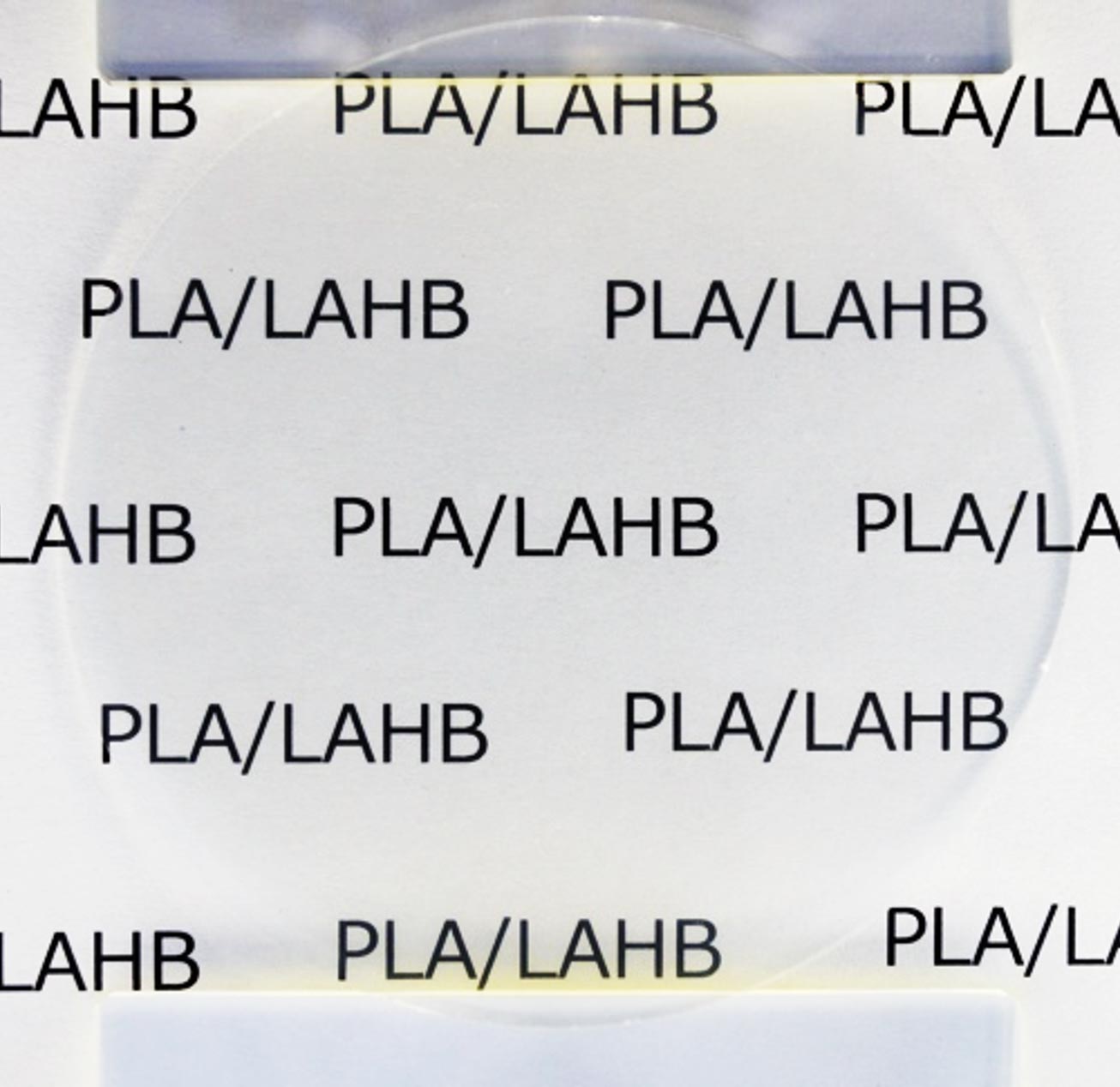
    LAHB Transparency
    The material resulting from adding ultra-high molecular weight LAHB to lactic is a highly transparent plastic: The circular disk is almost invisible in front of a sheet of paper that has “PLA/LAHB” printed on it. Credit: Sangho Koh

    Future Prospects and Environmental Impact

    The Kobe University bioengineers, however, dream bigger. The strain of bacteria they used in this work is in principle able to use CO2 as a raw material. It should thus be possible to synthesize useful plastics directly from the greenhouse gas. Taguchi explains, “Through the synergy of multiple projects, we aim to realize a biomanufacturing technology that effectively links microbial production and material development.”

    Reference: “Microbial platform for tailor-made production of biodegradable polylactide modifier: Ultra-high-molecular weight lactate-based polyester LAHB” 9 April 2024, ACS Sustainable Chemistry & Engineering.
    DOI: 10.1021/acssuschemeng.3c07662

    This research was commissioned by the New Energy and Industrial Technology Development Organization of Japan (grant JPNP20005) and funded by the Ministry of Education, Culture, Sports, Science and Technology Japan (grant 19K22069) and the Japan Science and Technology Agency (grant JPMJTM19YC). It was conducted in collaboration with researchers from Kaneka Corporation and the National Institute of Advanced Industrial Science and Technology.

    Never miss a breakthrough: Join the SciTechDaily newsletter.
    Follow us on Google and Google News.

    Chemical Engineering Kobe University Plastic
    Share. Facebook Twitter Pinterest LinkedIn Email Reddit

    Related Articles

    New Recycling Method Could Make Polyethylene Waste a Thing of the Past

    Scientists Develop Stronger, Stretchier, Self-Healing Plastic

    An Unexpected New Way To Recycle – Scientists Transform Plastic Waste Into Soap

    Plastic-Eating Enzyme Could Supercharge Recycling and Eliminate Billions of Tons of Landfill Waste

    Sustainable Materials: Creating Valuable Plastics and Chemicals From Waste

    Transforming the Plastic Lifecycle Into a Circle

    Innovative New Technology Converts Waste Plastics to Jet Fuel – In Just an Hour

    New Catalyst Makes Styrene Manufacturing Cheaper and Greener

    Bacterial Strain Uncovered for Producing Bioplastics From Sewage Sludge and Wastewater

    Leave A Reply Cancel Reply

    • Facebook
    • Twitter
    • Pinterest
    • YouTube

    Don't Miss a Discovery

    Subscribe for the Latest in Science & Tech!

    Trending News

    Bone-Strengthening Discovery Could Reverse Osteoporosis

    Scientists Uncover Hidden Trigger Behind Stem Cell Aging

    Scientists Find Way to Reverse Fatty Liver Disease Without Changing Diet

    Could Humans Regrow Limbs? New Study Reveals Promising Genetic Pathway

    Scientists Reveal Eating Fruits and Vegetables May Increase Your Risk of Lung Cancer

    Scientists Reverse Brain Aging With Simple Nasal Spray

    Scientists Uncover Potential Brain Risks of Popular Fish Oil Supplements

    Scientists Discover a Surprising Way To Make Bread Healthier and More Nutritious

    Follow SciTechDaily
    • Facebook
    • Twitter
    • YouTube
    • Pinterest
    • Newsletter
    • RSS
    SciTech News
    • Biology News
    • Chemistry News
    • Earth News
    • Health News
    • Physics News
    • Science News
    • Space News
    • Technology News
    Recent Posts
    • The Neanderthal “Love Story” Isn’t What It Seems
    • Scientists Unlock Hidden Secrets of 2,300-Year-Old Mummies Using Cutting-Edge CT Scanner
    • Men vs. Women: Scientists Uncover Dramatic Differences in How the Immune System Ages
    • Eating Chili Peppers Linked to Longer Life
    • Bread Might Be Making You Gain Weight Even Without Eating More
    Copyright © 1998 - 2026 SciTechDaily. All Rights Reserved.
    • Science News
    • About
    • Contact
    • Editorial Board
    • Privacy Policy
    • Terms of Use

    Type above and press Enter to search. Press Esc to cancel.