
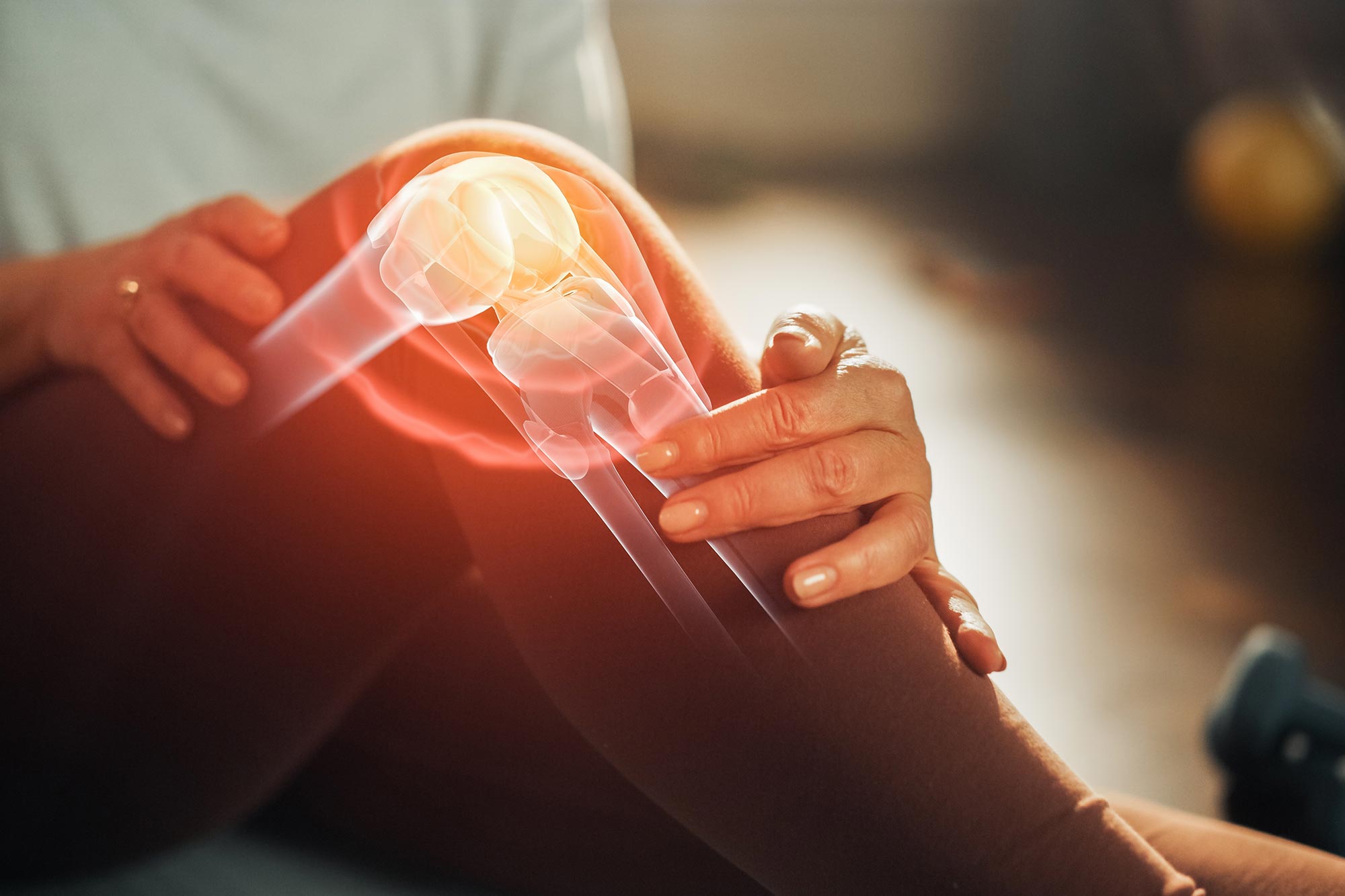
A sweeping analysis of nearly 10,000 patients challenges assumptions about how best to treat knee osteoarthritis.
For many people with knee osteoarthritis, relief may not require medication. A large new analysis suggests that simple physical treatments can ease pain and improve movement, often more effectively than some high-tech options.
Knee osteoarthritis is one of the leading causes of disability worldwide, particularly among older adults. It develops as the protective cartilage that cushions the ends of bones gradually wears away, leading to pain, swelling, and reduced joint flexibility. Risk factors include aging, excess body weight, prior knee injuries, and repetitive stress on the joint over time.
As the condition progresses, everyday activities like walking, climbing stairs, or even standing can become difficult and painful. While anti-inflammatory drugs are often prescribed, they can increase the risk of stomach problems and heart-related complications, especially with long-term use.
A Broad Comparison of Treatments
The research, published in PLOS One and led by Yuan Luo of the First People’s Hospital of Neijiang, China, reviewed 139 clinical trials with nearly 10,000 participants. Instead of testing a single therapy, the team compared 12 different non-drug approaches side by side, offering a clearer picture of what works best.
Knee braces stood out as the most reliable option overall. They helped reduce pain, improve joint function, and lessen stiffness. These devices support the knee and help redistribute weight across the joint, which may explain their consistent benefit.
Close behind was hydrotherapy, which involves guided movement in warm water. The buoyancy reduces stress on the joints while allowing muscles to stay active, making it especially useful for people who struggle with land-based exercise. Regular exercise on its own also ranked highly, reinforcing long-standing advice that staying active is one of the most effective ways to manage arthritis symptoms.
Mixed Outcomes for Advanced Technologies
More complex technologies showed mixed results. High-intensity laser therapy and shock wave therapy provided moderate improvements, particularly for pain relief. Low-level laser therapy also showed some benefit, likely by reducing inflammation and promoting tissue repair. However, ultrasound therapy ranked at or near the bottom across nearly all outcomes. This finding challenges the common use of ultrasound in physical therapy settings and suggests it may offer limited value for knee osteoarthritis.
Some widely used treatments delivered limited results. Lateral wedge insoles, which are meant to shift pressure away from the inner knee, offered little benefit compared to regular shoes. Their effect on joint alignment may be too small to significantly ease pain.
Practical Approaches and Future Directions
In contrast, several of the most effective approaches, including knee bracing and exercise, are simple to use and often require little supervision. This makes them practical options for many patients. Future research will need to explore whether combining these approaches leads to even greater benefits and how they compare in terms of long-term cost and outcomes.
The researchers note that variations in study design, relatively small participant groups, and differences in how long treatments were applied across the 139 studies may affect how precise the rankings are. Even so, they found that physical therapy shows strong potential for treating knee osteoarthritis, providing relief without the risks linked to anti-inflammatory medications. They recommend that future research focus on how combining therapies influences outcomes and whether these approaches are cost-effective.
The authors add: “Knee braces, hydrotherapy, and exercise are the most effective non-drug therapies for knee osteoarthritis. They reduce pain and improve mobility without the gastrointestinal or cardiovascular risks linked to common pain medications. Patients and clinicians should prioritize these evidence-based options.”
“Our analysis of nearly 10,000 patients reveals that simple, accessible therapies like knee bracing and water-based exercise outperform high-tech options like ultrasound. This could reshape clinical guidelines to focus on safer, lower-cost interventions.”
Reference: “Clinical efficacy of different therapeutic options for knee osteoarthritis: A network meta-analysis based on randomized clinical trials” by Xiao Chen, Yuanhe Fan, Hongliang Tu and Yuan Luo, 18 June 2025, PLOS ONE.
DOI: 10.1371/journal.pone.0324864
Never miss a breakthrough: Join the SciTechDaily newsletter.
Follow us on Google and Google News.