
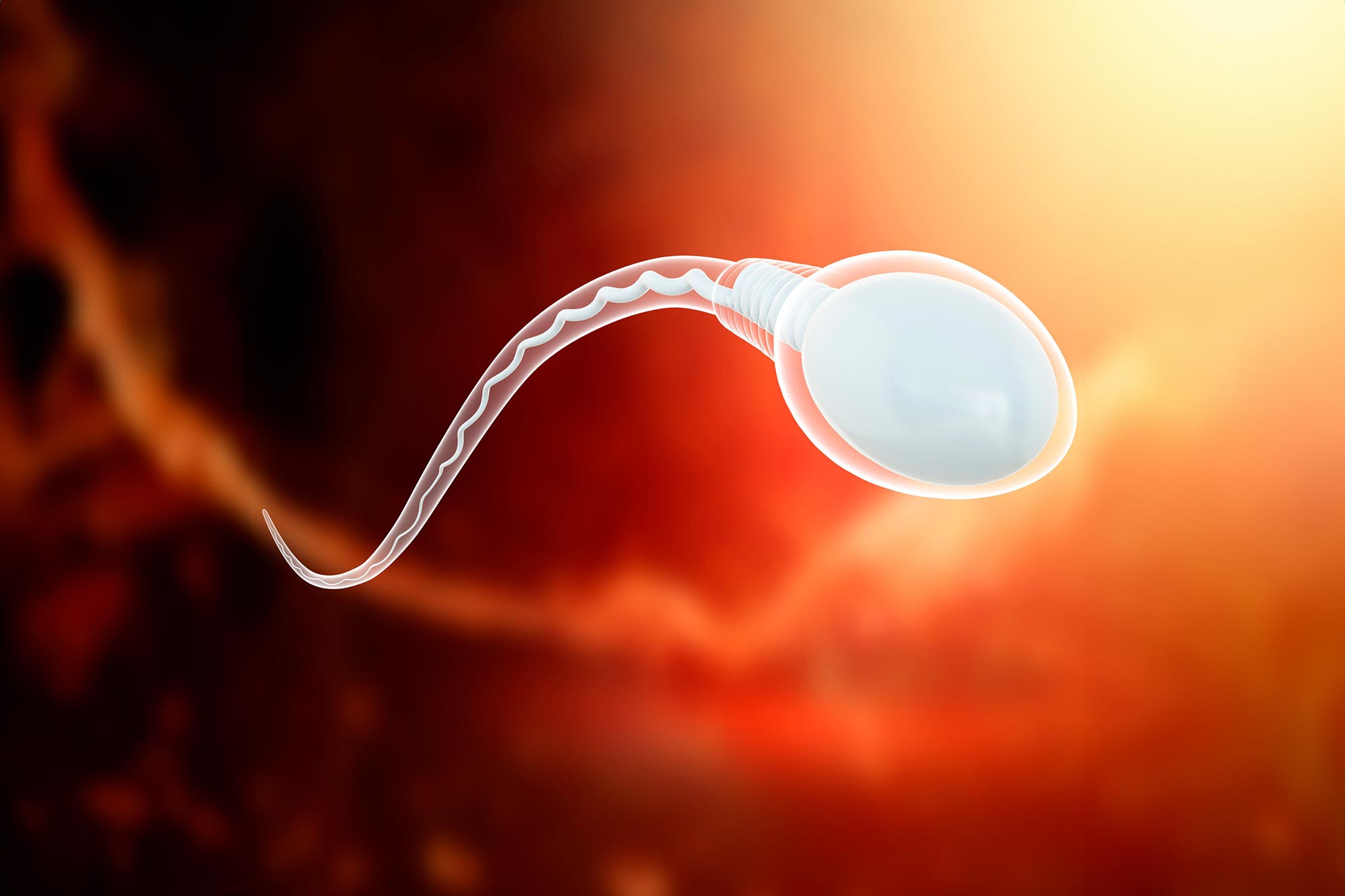
UC Riverside led mouse study finds microplastics affect male and female offspring differently.
Researchers at the University of California, Riverside have reported for the first time that a father’s exposure to microplastics (MPs) can lead to metabolic problems in his offspring. Using mouse models, the team uncovered a previously unrecognized way in which environmental pollution may influence the health of future generations.
Although MPs have already been identified in human reproductive tissues, this study, published in the Journal of the Endocrine Society, is the first to directly connect paternal exposure to MPs with long-term health effects in the next generation (the “F1 offspring”).
Linking paternal exposure to offspring health
MPs are extremely small plastic fragments, measuring less than 5 millimeters, that form as consumer products and industrial materials break down. Metabolic disorders describe a group of conditions that include elevated blood pressure, high blood sugar, and excess body fat, all of which raise the risk of heart disease and diabetes.
To uncover metabolic effects in F1 offspring, the researchers placed them on a high-fat diet. This strategy helps expose the impacts of paternal MP exposure that might otherwise be subtle under standard dietary conditions. The high-fat diet reflects common unhealthy eating patterns, such as the Western diet, and increases metabolic stress. Because the fathers consumed a normal diet, the obesity observed in the offspring was driven by diet rather than inherited eating behavior.
Female offspring show heightened vulnerability
The team found that female offspring of male mice exposed to MPs were far more prone to metabolic disorders than offspring of unexposed fathers, even though all offspring received the same high fat diet.
“The exact reasons for this sex-specific effect are still unclear,” said Changcheng Zhou, a professor of biomedical sciences in the UCR School of Medicine and the lead author of the study. “In our study, female offspring developed diabetic phenotypes. We observed up regulation of pro-inflammatory and pro-diabetic genes in their livers — genes previously linked to diabetes. These changes were not seen in male offspring.”

The research team found that while male offspring did not develop diabetes, they showed a slight yet significant decrease in fat mass. Female offspring showed decreased muscle mass alongside increased diabetes.
Sperm RNA carries environmental signals
To understand how the trait was passed down, the researchers used a specialized sequencing technology called PANDORA-seq, developed at UCR. They found that MP exposure alters the “cargo” of the sperm, affecting small molecules that regulate how genes are turned on and off.
Specifically, the MP exposure significantly altered the sperm’s small RNA profile, including tRNA-derived small RNAs (tsRNAs) and rRNA-derived small RNAs (rsRNAs) — types of small non-coding RNAs. Unlike DNA, which provides the “blueprint” for life, these RNA molecules may act like “dimmer switches” for genes, controlling how much or how little a gene is expressed during development.
“To our knowledge, ours is the first study to show that paternal exposure to microplastics can affect sperm small non-coding RNA profiles and induce metabolic disorders in offspring,” Zhou said.
Implications beyond individual exposure
Zhou emphasized that the study suggests the impact of plastic pollution is not limited to the individual exposed; it may leave a biological imprint that predisposes children to chronic diseases.
“Our discovery opens a new frontier in environmental health, shifting the focus toward how both parents’ environments contribute to the health of their children,” he said. “These findings from a mouse study likely have implications for humans. Men planning to have children should consider reducing their exposure to harmful substances like microplastics to protect both their health and that of their future children.”
The research team hopes the findings will guide future investigation into how MPs and even smaller nanoplastics affect human development.
“Our future studies will likely look at whether maternal exposure produces similar risks and how these metabolic changes might be mitigated,” Zhou said.
Reference: “Paternal microplastic exposure alters sperm small non-coding RNAs and affects offspring metabolic health in mice” by Seung Hyun Park, Jianfei Pan, Xudong Zhang, Ting-An Lin, Sijie Tang, Xiuchun Li, Sihem Cheloufi, Qi Chen, Tong Zhou and Changcheng Zhou, 18 December 2025, Journal of the Endocrine Society.
DOI: 10.1210/jendso/bvaf214
The study was partially supported by grants from the National Institutes of Health.
Never miss a breakthrough: Join the SciTechDaily newsletter.
Follow us on Google and Google News.
4 Comments
Plastic measuring 5 millimetres are not micro
microplastics have xeno estrogens that disrupt progranulin. progranulin has a lot to do with brain inflammation. all parasitic organisms attack the progranulin protein of a host cell to take over similar to what microplastics are doing to us. Soy isoflavones have phyto estrogens which can counter the xeno estrogens in microplastics and reduce brain inflammation and behavioral dysregulation. Soyboy was a psyop to get people to stop eating soy products, saying it makes you less manly or whatever, when in reality it’s one of the few things that can actually counter microplastic xenoestrogen damage to progranulin.
lookup progranulin, microplastic xeno estrogens, soy isoflavone phytoestrogen, and the GRN gene that makes progranulin, as all parasites have an altered grn gene and mess with progranulin just like they’re doing to us by exposing us to all these microplastics…
PROGRANULIN = PROGRAMMING
Either that or maybe nothing matters anyway, so there’s that.
I disagree with that other guy, I mean not about microplastics having a structure that mimics estrogen (xenoestrogens) that bind to or in some way disrupt progranulin which is leading to brain inflammation and the reason everyone is mad at each other now, along with probably a bunch of other stuff. no. i disagree about other things unrelated to those points, which actually if you do deep research you can back up a lot of them, but it seems like AI and other things are programmed to lie about it, they’ll focus on small irrelevant points and call it a conspiracy, but the science is there. Progranulin is hard coded into life as a form of control, and now we just have microplastics and they seem designed to just target those things, which is kinda messed up if you ask me.
They make it so if I try to get info out in traditional ways it blocks me, so sometimes I do this now, but I dont see why id be the one to do this either…
Having said that, people should still look this up, it literally is why we’re all so mad at each other, it’s brain inflamation caused by progranulin being messed with by microplastics (probably) and it’s probably going to get worse.
I disagree, with the other two people who commented earlier, I mean, not about progranulin being important for brain inflammation and that all parasites having a mutated GRN gene that for some reason I don’t care all that much about can do something where it screws up stuff and whatever goes with that I guess, and how a very similar mechanism of action is done with microplastics and their dysregulation. Probably a coincidence, but it seems a bit weird that there used to be blood testing for progranulin that was commercially available and safe in 2012, and now that same blood test is impossible to get unless for research purposes. But that likely has very little to do with anything, and there are too many blood tests for things anyway, so it’s probably all good and nothing to look into further.
And now lets see if they suppress Drank Fredlin JRs freedom of speech by flagging his comment again like a coward or whatever