
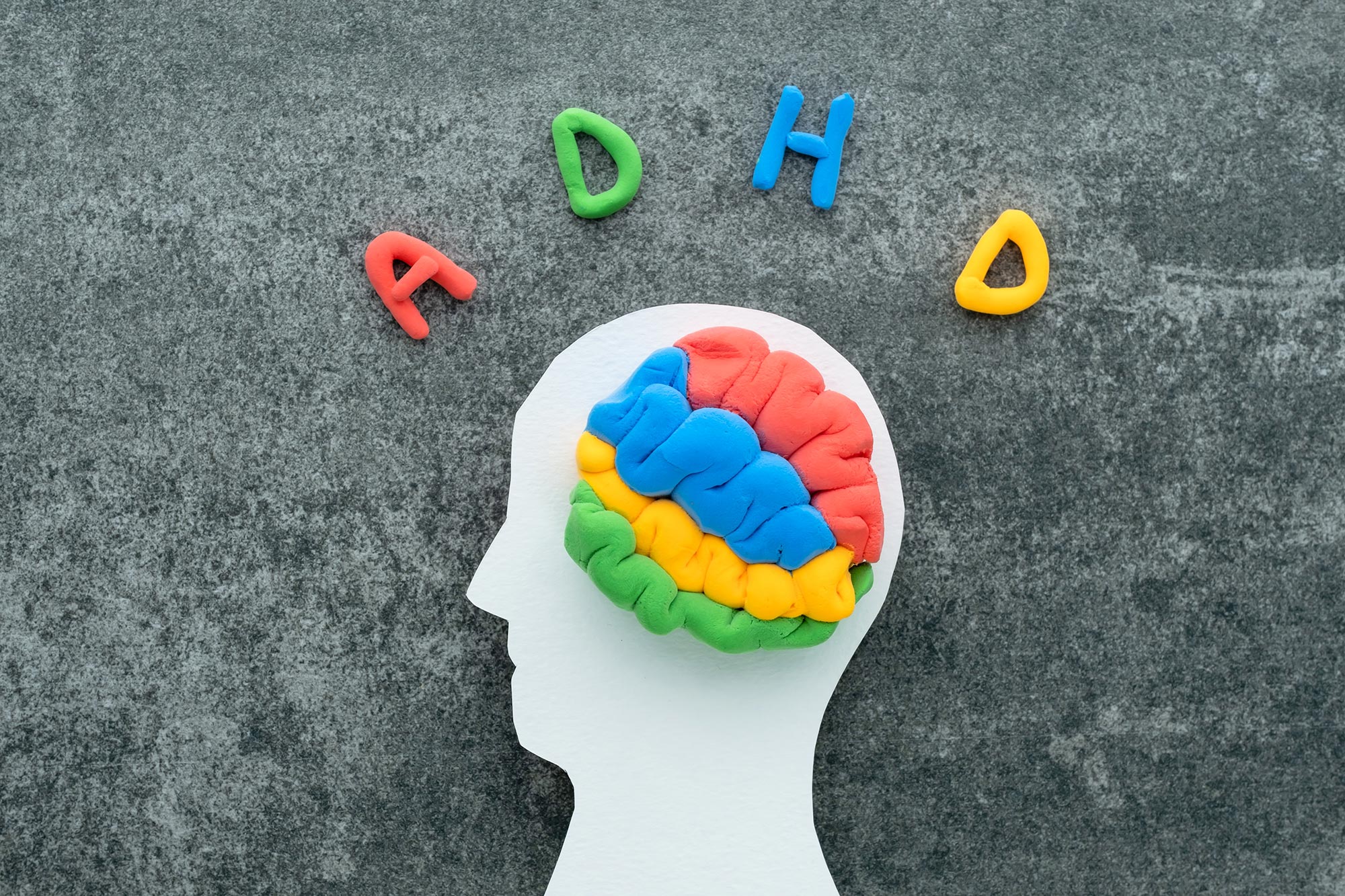
A major review of top ADHD drug trials reveals that many didn’t properly confirm whether participants actually had ADHD, or whether they were struggling with other conditions like depression or bipolar disorder. Some studies even relied on self-diagnosis or computer assessments.
With adult ADHD diagnoses soaring, often driven by online content, the findings raise serious concerns about research reliability and treatment accuracy. If flawed science is shaping how millions are treated, are we getting ADHD all wrong?
Diagnosing Adult ADHD
ADHD was originally defined based on how it appears in children, but diagnosing it in adults is much trickier. That’s because the current criteria focus on childhood behaviors like restlessness or lack of focus. When those same standards are applied to adults, they often rely on self-reported experiences, such as difficulty concentrating or acting impulsively.
“The rising number of adults diagnosed with ADHD raises important questions about diagnostic validity, especially since many were never identified in childhood and are now seeking help, sometimes prompted by ADHD content on social media. That made us curious: how have randomized controlled trials on ADHD dealt with this diagnostic challenge?” Dr. Igor Studart explains.
It’s a critical question. ADHD symptoms can overlap with other mental health conditions like depression, bipolar disorder, or schizophrenia. That makes a careful, expert-led evaluation essential to rule out other possibilities before confirming an ADHD diagnosis.
ADHD – Attention Deficit Hyperactivity Disorder – is a mental disorder developed for children suffering from attention deficit disorder, hyperactivity and impulsivity.
However, more and more adults today are being diagnosed with ADHD. Worldwide, it is estimated that more than 300 million adults have the disorder, and in Denmark too, the diagnosis is growing rapidly.
In children, the diagnosis is made based on observations of the child’s behaviour by parents and teachers. In adults, the same diagnostic criteria are often based on subjective experiences, i.e. the adult’s own experiences.
Overlooked Assessments in ADHD Clinical Trials
Surprisingly, many studies don’t meet this basic standard. A new investigation from researchers at the University of Copenhagen and the University of São Paulo looked at nearly 300 top-tier clinical trials on adult ADHD. What they found was troubling: in many cases, researchers skipped the detailed diagnostic assessments needed to confirm whether participants actually had ADHD.
“We have examined how 292 of the most credible studies in evidence-based medicine – the so-called randomised controlled trials – diagnosed their adult subjects,” says Professor of Psychiatry and Consultant Psychiatrist Julie Nordgaard, who conducted the study together with Associate Professor and Senior Researcher Mads Gram Henriksen and Dr. Igor Studart.
Trials Often Miss Co-Existing Disorder
“We conclude that half of the studies did not ensure a broad and thorough diagnostic assessment of the patients before the trial to rule out other disorders. This means that they can’t actually know, if their subjects have other mental disorders such as depression or schizophrenia. And that’s not all. More than half of the studies included subjects, who have also been diagnosed with other mental disorders, making the diagnosis even more difficult to allocate,” Julie Nordgaard explains.
According to the researchers, these methodological shortcomings are problematic, because they imply that it is impossible to know which disorders and symptoms the treatment investigated in these trials potentially had an effect on.
“This makes the research results from many of these clinical trials difficult to utilise. Yet, the results of randomised controlled trials are considered particularly trustworthy, and they may inform the guidelines we use to treat adult ADHD patients, even though the results from many of these trials should be assessed very carefully,” says Mads Gram Henriksen.
Randomized controlled trials (RCTs) are trials where subjects are randomly assigned to one or more groups to study the effect of a certain treatment.
One of the groups, the control group, receives either no treatment, placebo or a standard treatment, while the subjects in the other groups receive the treatment under investigation.
It is this type of trial that is considered the gold standard in evidence-based research.
Untrained Evaluators Cloud Study Results
According to the researchers, one of the problems with the diagnostic assessment in many of the clinical trials is that it seems to have been carried out by people who are not trained to do so. And often with methods that are not thorough enough.
“In 61% of the studies, they do not state who diagnosed the subjects. In only 35% of the studies, it is stated that a psychiatrist or psychologist made the diagnosis. But diagnostic assessment should always be performed by an experienced professional with the necessary training to ensure that the diagnosis is made correctly, and this should be stated in the studies’ method section,” explains Mads Gram Henriksen.
Urgent Call for Uniform Diagnostic Standards
In some cases, the assessment and thus the diagnosis was made by the subject themselves, and in one particularly egregious case, it was done with the help of a computer, the researchers explain.
“In psychiatry, we really need that all diagnoses, not just ADHD, are made with the same uniform criteria and by trained professionals. Otherwise, we cannot rely on the results or compare them across studies,” says Julie Nordgaard and concludes:
“Especially in a situation where a diagnosis such as ADHD in adults is increasing, we need to be very thorough and have a solid foundation. Otherwise, we risk too many people getting a wrong diagnosis and not being able to give them the most effective treatment. Or they risk receiving unnecessary treatment that causes side effects.”
Reference: “Diagnosing ADHD in adults in randomized controlled studies: a scoping review” by Igor Studart, Mads Gram Henriksen and Julie Nordgaard, 14 April 2025, European Psychiatry.
DOI: 10.1192/j.eurpsy.2025.2447
Never miss a breakthrough: Join the SciTechDaily newsletter.
Follow us on Google and Google News.
2 Comments
Everybody and their dog have the ADHD these days. Some wear it as a badge of honor, the others use it as an excuse to be assholes.
Probably only one percend of the aforementioned lot really has the ADHD.
Couldn’t have said it better. Most “ADHD” is actually the result of bad parenting.