
Close Menu
    Facebook X (Twitter) Instagram
    SciTechDaily
    • Biology
    • Chemistry
    • Earth
    • Health
    • Physics
    • Science
    • Space
    • Technology
    Facebook X (Twitter) Pinterest YouTube RSS
    SciTechDaily
    Home»Space»Mission Aborted: Why NASA Pulled the Plug on Its VIPER Moon Rover
    Space

    Mission Aborted: Why NASA Pulled the Plug on Its VIPER Moon Rover

    By NASAJuly 18, 2024No Comments4 Mins Read
    Facebook Twitter Pinterest Telegram LinkedIn WhatsApp Email Reddit
    Share
    Facebook Twitter LinkedIn Pinterest Telegram Email Reddit
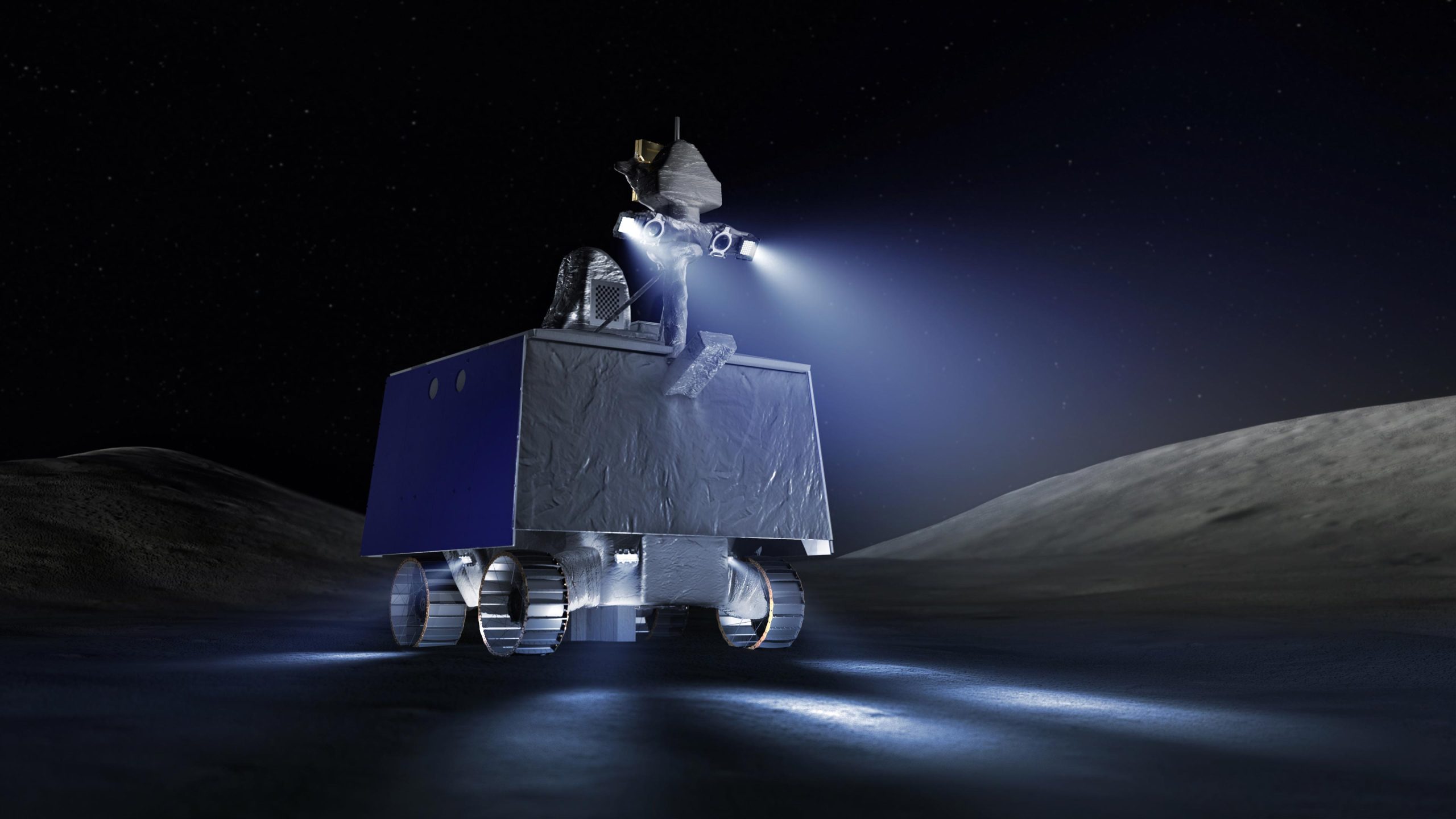
    NASA Volatiles Investigating Polar Exploration Rover (VIPER) Rover
    An artist’s concept of the completed design of NASA’s Volatiles Investigating Polar Exploration Rover, or VIPER. Its mission was to get a close-up view of the location and concentration of ice and other resources at the Moon’s South Pole, bringing us a significant step closer to NASA’s ultimate goal of a long-term presence on the Moon – making it possible to eventually explore Mars and beyond. Credit: NASA/Daniel Rutter

    NASA announced the discontinuation of its VIPER rover project, citing cost increases and launch delays. The project’s instruments will be repurposed for future lunar missions, including the upcoming PRIME-1 and Artemis missions, which will explore lunar resources and support astronaut missions.

    Following a comprehensive internal review, NASA announced on July 17 its intent to discontinue the development of its VIPER (Volatiles Investigating Polar Exploration Rover) project.

    NASA stated cost increases, delays to the launch date, and the risks of future cost growth as the reasons to stand down on the mission. The rover was originally planned to launch in late 2023, but in 2022, NASA requested a launch delay to late 2024 to provide more time for preflight testing of the Astrobotic lander. Since that time, additional schedule and supply chain delays pushed VIPER’s readiness date to September 2025, and independently its CLPS (Commercial Lunar Payload Services) launch aboard Astrobotic’s Griffin lander also has been delayed to a similar time. Continuation of VIPER would result in an increased cost that threatens cancellation or disruption to other CLPS missions. NASA has notified Congress of the agency’s intent.
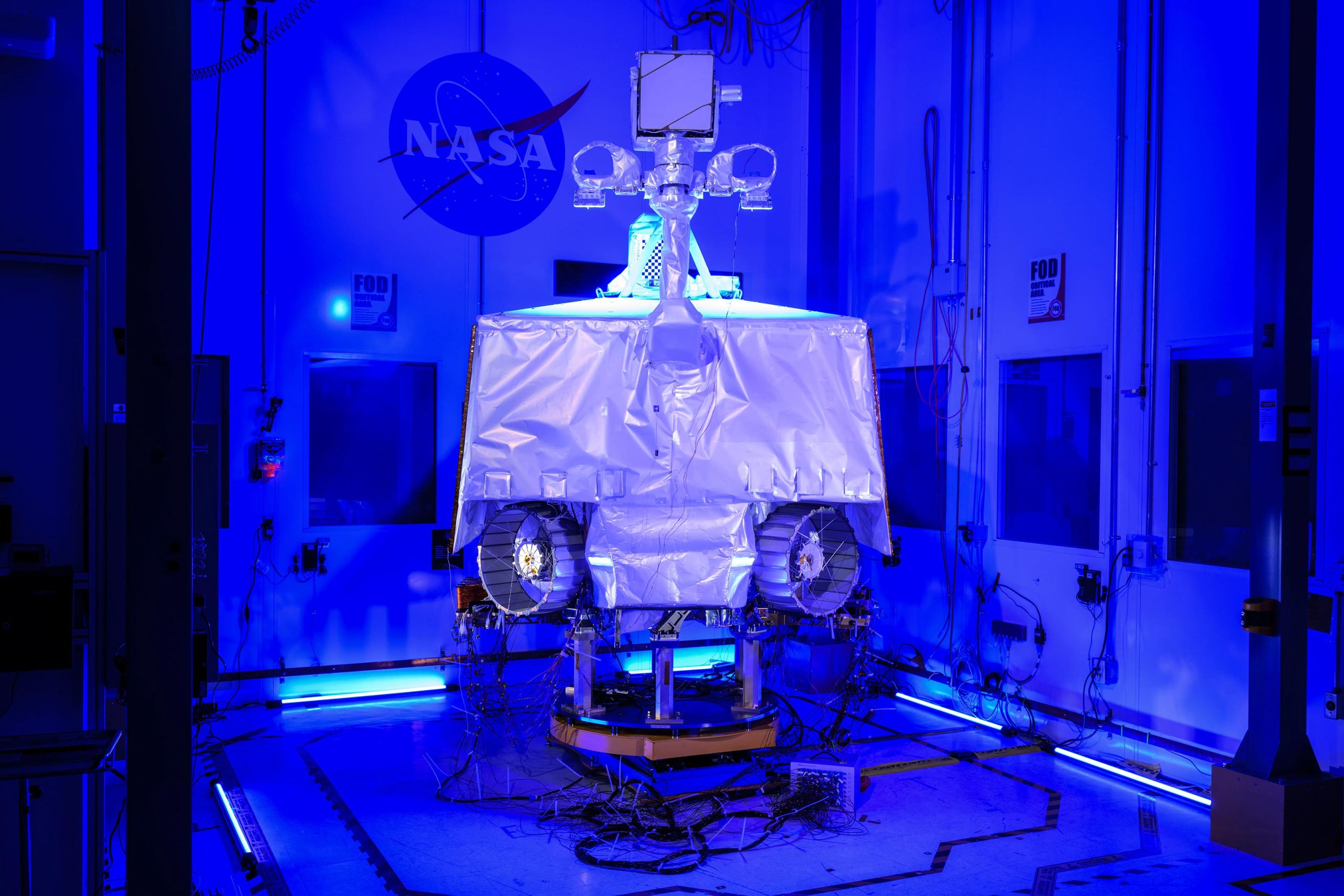
    NASA VIPER in Cleanroom
    NASA’s VIPER – short for the Volatiles Investigating Polar Exploration Rover – sits assembled inside the cleanroom at the agency’s Johnson Space Center. Credit: NASA

    Response From NASA Leadership

    “We are committed to studying and exploring the Moon for the benefit of humanity through the CLPS program,” said Nicola Fox, associate administrator, Science Mission Directorate, NASA Headquarters in Washington. “The agency has an array of missions planned to look for ice and other resources on the Moon over the next five years. Our path forward will make maximum use of the technology and work that went into VIPER, while preserving critical funds to support our robust lunar portfolio.”

    VIPER’s Decommissioning and Future Plans

    Moving forward, NASA is planning to disassemble and reuse VIPER’s instruments and components for future Moon missions. Prior to disassembly, NASA will consider expressions of interest from U.S. industry and international partners by Thursday, August 1, for use of the existing VIPER rover system at no cost to the government.
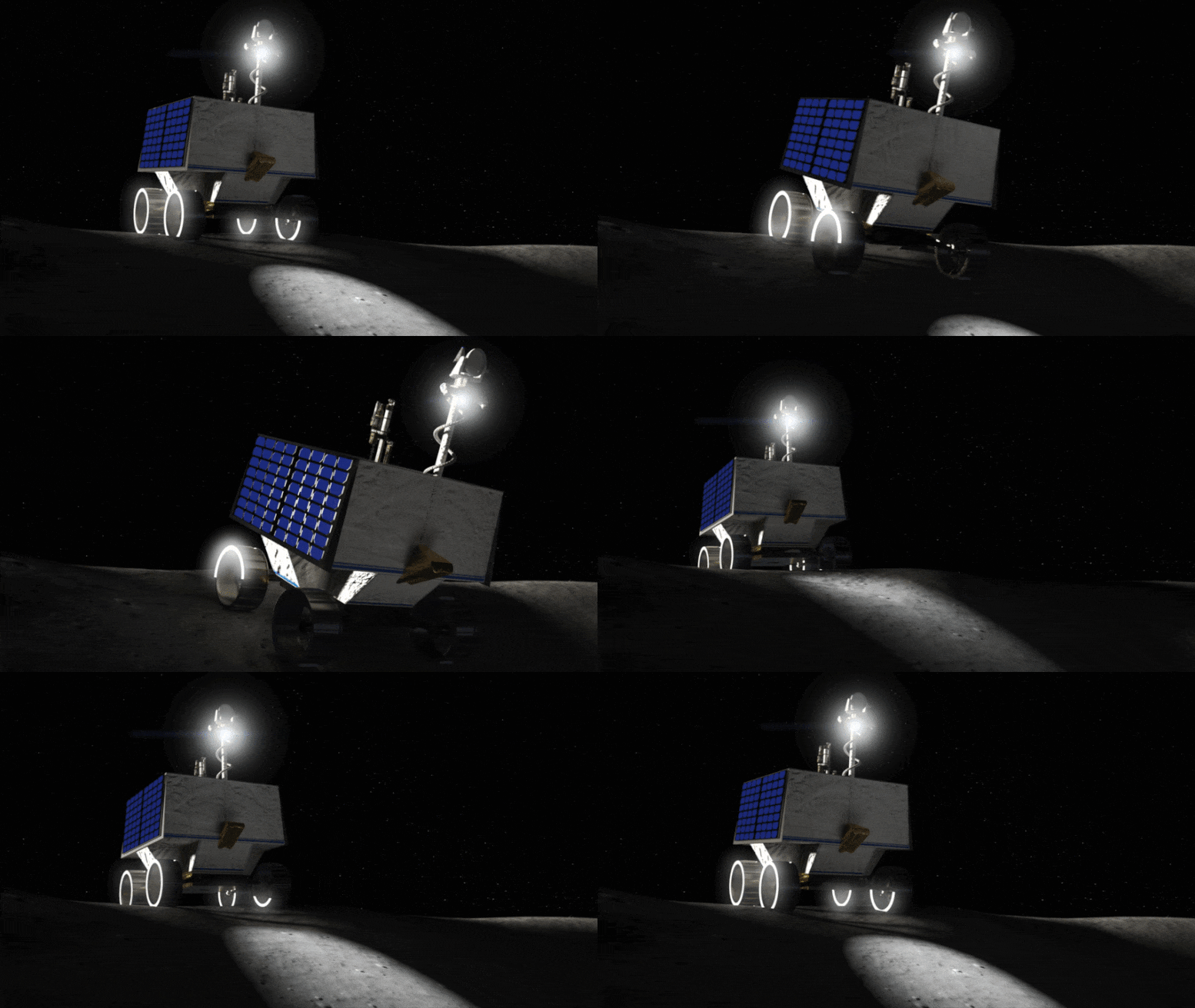
    VIPER Rover
    Animation of NASA’s Volatiles Investigating Polar Exploration Rover (VIPER) on the surface of the Moon. Credit: NASA Ames/Daniel Rutter

    Continuing Lunar Missions and Future Prospects

    Astrobotic will continue its Griffin Mission One within its contract with NASA, working toward a launch scheduled for no earlier than fall 2025. The landing without VIPER will provide a flight demonstration of the Griffin lander and its engines.

    NASA will pursue alternative methods to accomplish many of VIPER’s goals and verify the presence of ice at the lunar South Pole. A future CLPS delivery – the Polar Resources Ice Mining Experiment-1 (PRIME-1) — scheduled to land at the South Pole during the fourth quarter of 2024, will search for water ice and carry out a resource utilization demonstration using a drill and mass spectrometer to measure the volatile content of subsurface materials.

    Additionally, future instruments as part of NASA’s crewed missions – for example, the Lunar Terrain Vehicle — will allow for mobile observations of volatiles across the south polar region, as well as provide access for astronauts to the Moon’s permanently shadowed regions for dedicated sample return campaigns. The agency will also use copies of three of VIPER’s four instruments for future Moon landings on separate flights.

    The VIPER rover was designed to search Earth’s Moon for ice and other potential resources – in support of NASA’s commitment to study the Moon and help unravel some of the greatest mysteries of our solar system. Through NASA’s lunar initiatives, including Artemis human missions and CLPS, NASA is exploring more of the Moon than ever before using highly trained astronauts, advanced robotics, U.S. commercial providers, and international partners.

    Never miss a breakthrough: Join the SciTechDaily newsletter.
    Follow us on Google and Google News.

    Moon NASA Popular VIPER
    Share. Facebook Twitter Pinterest LinkedIn Email Reddit

    Related Articles

    Engineering Marvels: NASA’s VIPER Moon Rover Hits Key Milestone

    NASA Begins Building VIPER – Its First Robotic Moon Rover

    NASA’s VIPER Moon Rover To Land Near Nobile Crater at the Lunar South Pole

    New NASA Moon Maps Help Developers Plan Lunar Road Trip for VIPER’s Artemis Mission

    NASA’s GRAIL Mission Solves a Lunar Mystery Almost as Old as the Moon Itself

    Hubble Data Reveals a New Neptune Moon

    Phobos May Provide Evidence of Life on Mars

    Saturn’s Moon Phoebe Has Planet-Like Qualities

    NASA LRO Spacecraft Reveals Geological Activity on the Moon’s Surface

    Leave A Reply Cancel Reply

    • Facebook
    • Twitter
    • Pinterest
    • YouTube

    Don't Miss a Discovery

    Subscribe for the Latest in Science & Tech!

    Trending News

    Bone-Strengthening Discovery Could Reverse Osteoporosis

    Scientists Uncover Hidden Trigger Behind Stem Cell Aging

    Scientists Find Way to Reverse Fatty Liver Disease Without Changing Diet

    Could Humans Regrow Limbs? New Study Reveals Promising Genetic Pathway

    Scientists Reveal Eating Fruits and Vegetables May Increase Your Risk of Lung Cancer

    Scientists Reverse Brain Aging With Simple Nasal Spray

    Scientists Uncover Potential Brain Risks of Popular Fish Oil Supplements

    Scientists Discover a Surprising Way To Make Bread Healthier and More Nutritious

    Follow SciTechDaily
    • Facebook
    • Twitter
    • YouTube
    • Pinterest
    • Newsletter
    • RSS
    SciTech News
    • Biology News
    • Chemistry News
    • Earth News
    • Health News
    • Physics News
    • Science News
    • Space News
    • Technology News
    Recent Posts
    • This Student Recreated the Universe in a Bottle. What She Discovered Could Help Reveal How Life Started on Earth
    • Alzheimer’s Symptoms May Start Outside the Brain, Study Finds
    • Cancer’s Secret Weapon? Scientists Reveal How Tumors “Learn” To Survive Treatment
    • Millions Take This Popular Supplement – Scientists Discover a Concerning Link to Heart Failure
    • What Makes Rubber So Strong? Scientists Finally Solve 100-Year-Old Mystery
    Copyright © 1998 - 2026 SciTechDaily. All Rights Reserved.
    • Science News
    • About
    • Contact
    • Editorial Board
    • Privacy Policy
    • Terms of Use

    Type above and press Enter to search. Press Esc to cancel.