
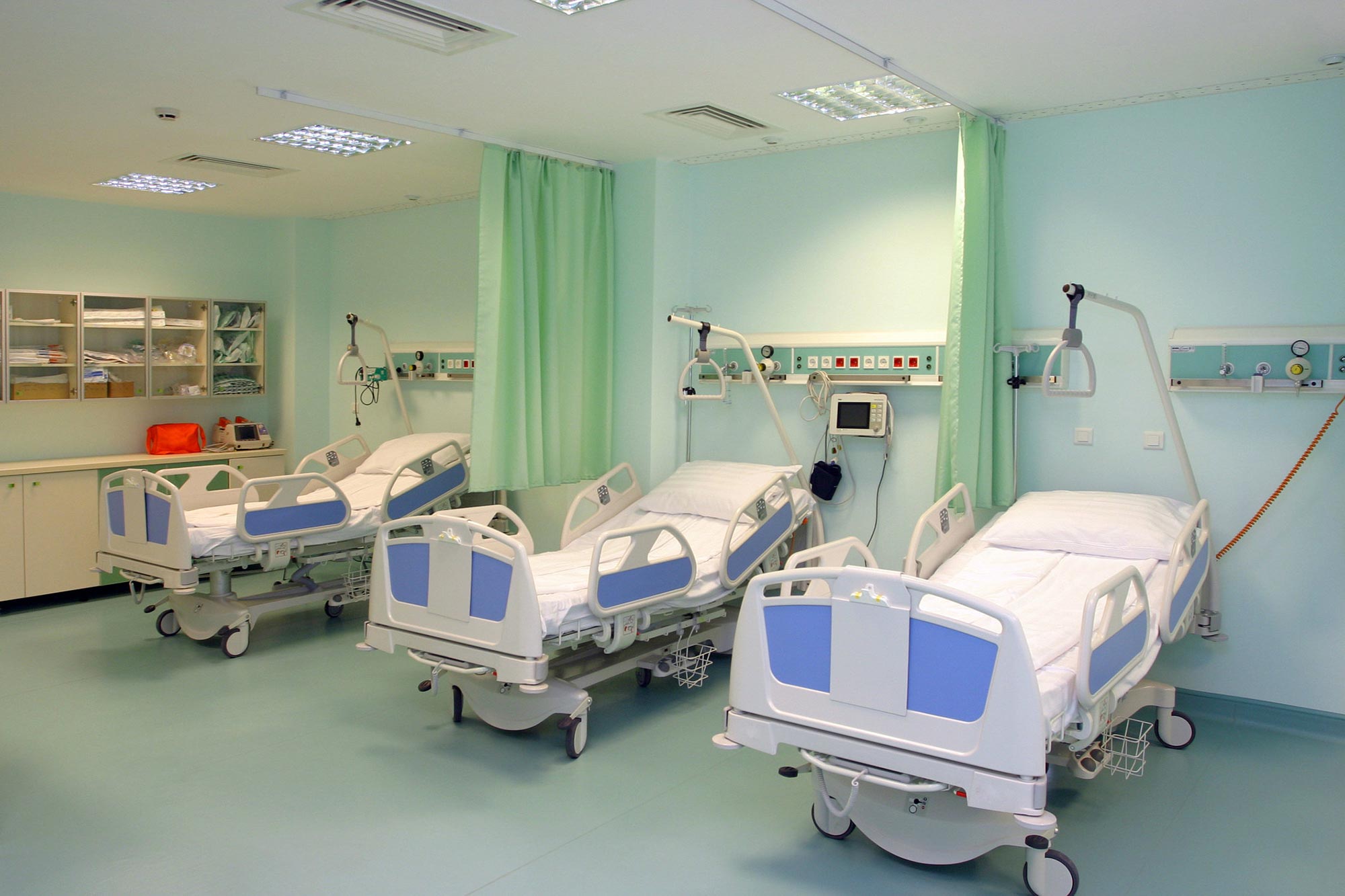
More than one in ten COVID-19 patients in 314 UK hospitals caught the infection in a hospital during the first pandemic wave say researchers conducting the world’s largest study of severe COVID-19.
The research into hospital-acquired infections (HAIs) was led by Dr. Jonathan Read from Lancaster University with colleagues from other UK universities including the Universities of Liverpool, Edinburgh, Birmingham and Imperial College London, and was recently published in The Lancet.
The researchers examined records of COVID-19 patients in UK hospitals enrolled in the International Severe Acute Respiratory and emerging Infections Consortium (ISARIC) Clinical Characterisation Protocol UK (CCP-UK) study, who became ill before 1st August 2020.
They found that at least 11.1% of COVID-19 patients in 314 UK hospitals were infected after admission. The proportion of COVID-19 patients infected in hospital also rose to between 16% and 20% in mid-May 2020, long after the peak of admissions in the first wave.
The researchers said: “We estimate between 5,699 and 11,862 patients admitted in the first wave were infected during their stay in hospital. This is, unfortunately, likely to be an underestimate, as we did not include patients who may have been infected but discharged before they could be diagnosed.”
Dr. Jonathan Read, lead author at Lancaster University, said “Controlling viruses like SARS-CoV-2 (the virus that causes COVID-19) has been difficult in the past, so the situation could have been much worse. However, infection control should remain a priority in hospitals and care facilities.”
Dr. Chris Green, University of Birmingham, said: “There are likely to be a number of reasons why many patients were infected in these care settings. These include the large numbers of patients admitted to hospitals with limited facilities for case isolation, limited access to rapid and reliable diagnostic testing in the early stages of the outbreak, the challenges around access to and best use of PPE, our understanding of when patients are most infectious in their illness, some misclassification of cases due to presentation with atypical symptoms, and an under-appreciation of the role of airborne transmission.”
There were marked differences in the numbers of patients infected in hospital according to the type of care provided. Hospitals providing acute and general care had lower proportions of hospital acquired infections (9.7%) than residential community care hospitals (61.9%) and mental health hospitals (67.5%), which reflects the outbreaks seen in care-homes.
Professor Calum Semple, University of Liverpool, said: “The reasons for the variation between settings that provide the same type of care requires urgent investigation to identify and promote best infection control practice. Research has now been commission to find out what was done well and what lessons need to be learned to improve patient safety.”
Dr. Anne Marie Docherty, University of Edinburgh, said: “The underlying reasons for these high rates of transmission in hospitals at the peak of the first wave must be investigated, so that we can improve safety and outcomes for our patients. Rates are considerably lower a year on, and people should not be deterred from attending hospital if they are unwell.”
Reference: “Hospital-acquired SARS-CoV-2 infection in the UK’s first COVID-19 pandemic wave” by Jonathan M Read, Chris A Green, Ewen M Harrison, Annemarie B Docherty, Sebastian Funk, Janet Harrison, Michelle Girvan, Hayley E Hardwick, Lance Turtle, Jake Dunning, Jonathan S Nguyen-Van-Tam, Peter JM Openshaw, J Kenneth Baillie, Malcolm G Semple and theISARIC4C investigators, 12 August 2021, The Lancet.
DOI: 10.1016/S0140-6736(21)01786-4
Never miss a breakthrough: Join the SciTechDaily newsletter.
Follow us on Google and Google News.