
Close Menu
    Facebook X (Twitter) Instagram
    SciTechDaily
    • Biology
    • Chemistry
    • Earth
    • Health
    • Physics
    • Science
    • Space
    • Technology
    Facebook X (Twitter) Pinterest YouTube RSS
    SciTechDaily
    Home»Health»Most People Don’t Get Enough Vitamins – This Scientist Has a Seed-Based Solution
    Health

    Most People Don’t Get Enough Vitamins – This Scientist Has a Seed-Based Solution

    By East Tennessee State UniversityApril 15, 2025No Comments2 Mins Read
    Facebook Twitter Pinterest Telegram LinkedIn WhatsApp Email Reddit
    Share
    Facebook Twitter LinkedIn Pinterest Telegram Email Reddit
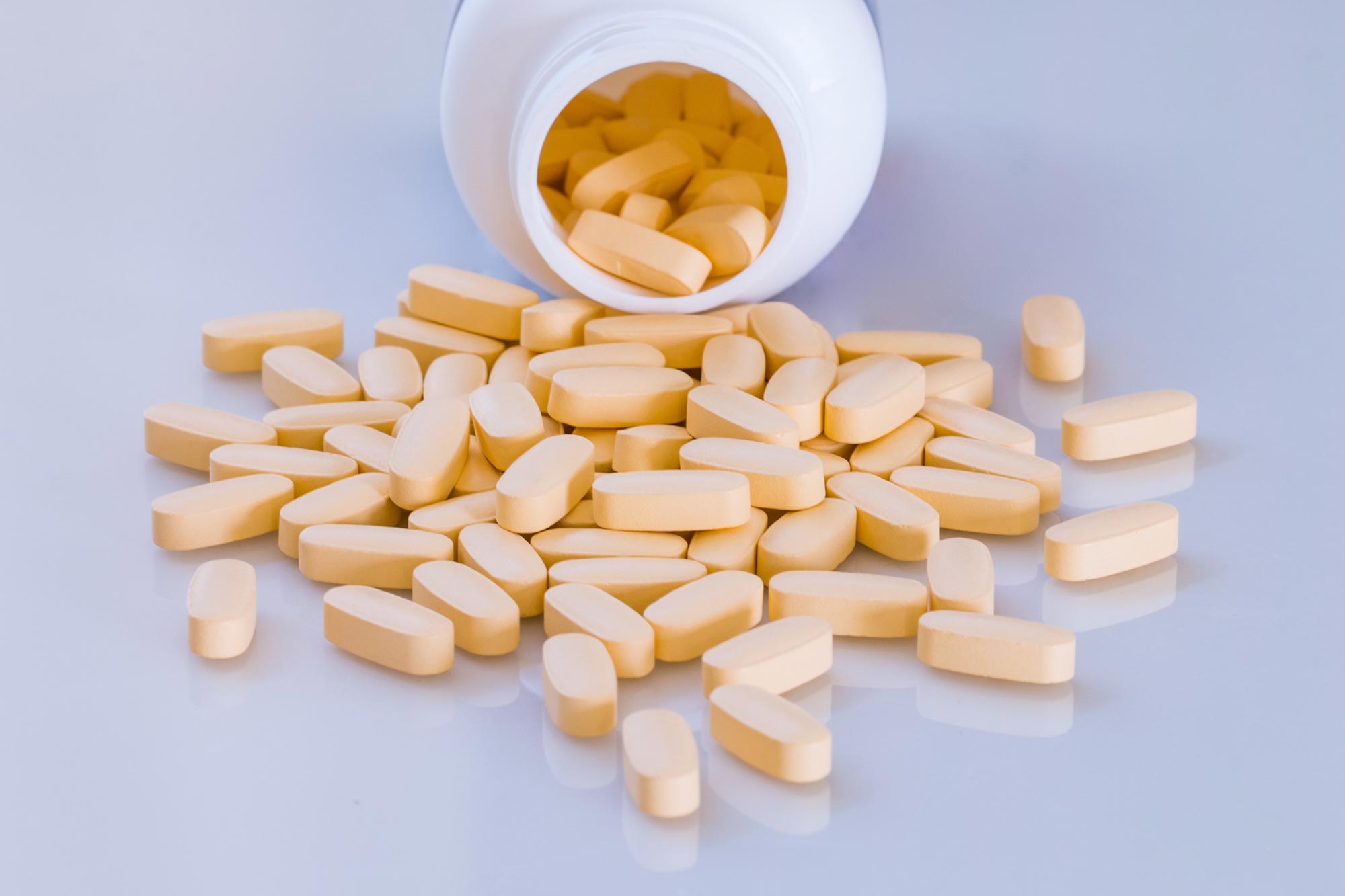
    Pile of Vitamins
    An ETSU researcher received $450,000 to boost vitamins in seeds like soybeans by activating their natural genes. The study seeks to create nutrient-rich crops without introducing foreign genes.

    Dr. Tianhu Sun is developing tools to naturally boost vitamin levels in seeds using advanced genetic techniques, supported by a $450,000 research grant.

    Many people around the world don’t get enough essential vitamins, but a researcher at East Tennessee State University is working to help change that.

    Dr. Tianhu Sun, an assistant professor in the Department of Biological Sciences, has received a $450,000 grant from the Foundation for Food and Agriculture Research. Over the next three years, this funding will support his innovative study aimed at boosting vitamin levels in seeds.

    “This project is about finding ways to activate the genes that are already present in seeds to naturally boost their vitamin content,” said Sun, who has taught a variety of courses, including synthetic biology. “With a growing population and widespread micronutrient deficiencies, we need to think creatively about how to strengthen the nutritional quality of our food supply.”

    Sun’s research will initially focus on soybeans, a key crop in Tennessee and across the United States.

    Innovative Genetic Tools

    The goal: Craft tools to turn on genes responsible for the biosynthesis of vitamins like provitamin A, folate and vitamin E – vitamins that are essential for human health but often lacking in staple crops.

    Using innovative technologies like machine learning and pipetting robot-facilitated high throughput screening, the research team hopes to identify short DNA sequences that can switch on vitamin-producing genes in seeds.

    These sequences could one day serve as precise genome editing targets, offering a new path toward nutrient-rich, biofortified crops without introducing foreign genes.

    Global Impact

    Sun’s scholarship contributes to ETSU’s work on a global stage aimed at addressing food insecurity.

    In 2022, Dr. Aruna Kilaru, winner of the 2021 Distinguished Scientist Award in Tennessee, wrote a critical paper suggesting how both farmers and government agencies can work together to reduce harmful emissions and minimize food waste.

    “This is the kind of high-impact research that reflects ETSU’s mission to improve lives and build healthier communities,” said ETSU’s Dr. Kimberly D. McCorkle, provost and senior vice president for Academic Affairs. “We are proud to support innovative scholarship that addresses global challenges and elevates our university on the world stage.”

    Never miss a breakthrough: Join the SciTechDaily newsletter.
    Follow us on Google and Google News.

    Food Science Nutrition Public Health Vitamins
    Share. Facebook Twitter Pinterest LinkedIn Email Reddit

    Related Articles

    Color-Coded Nutrition Labels and Warnings Linked to Healthier Food Purchases

    More Evidence That Vitamin D Protects Against Severe COVID-19 Disease and Death

    Many Consumers Misinterpret Food (Best By / Use By) Expiration Date Labels

    Multivitamins, Omega-3, Probiotics, Vitamin D May Lessen Risk of COVID-19

    Can Vitamin D Supplements Prevent COVID-19 or Reduce Symptoms?

    Researchers Warn: Common Food Additive – Banned in France but Allowed in the U.S. – Causes Adverse Health Effects in Mice

    Scientists Warn Against High Doses of Vitamin D Supplementation for Preventing or Treating COVID-19

    Vitamin D Linked to Low Coronavirus Death Rate

    Child Deaths Significantly Reduced With Nutrient Supplements

    Leave A Reply Cancel Reply

    • Facebook
    • Twitter
    • Pinterest
    • YouTube

    Don't Miss a Discovery

    Subscribe for the Latest in Science & Tech!

    Trending News

    Fossilized Vomit Reveals a Surprising Secret About Plesiosaur Behavior

    Scientists Put Anti-Aging Treatments to the Test – These Ones Actually Changed Biological Age

    Vitamin C Supplements Tied to Fewer Deaths in Blood Disorder Trial

    Scientists Hunt for Tiny Black Holes Hidden in LHC Collisions

    More Men Are Getting MRI Before Prostate Biopsy, but a Major Gap Remains

    Where Does Fat Go When You Lose Weight? The Answer May Surprise You

    Stanford Researchers Discover That the Human Brain May Be Two Separate Organs Fused Together

    Scientists Say This Simple Habit Could Help Protect Your Brain for Life

    Follow SciTechDaily
    • Facebook
    • Twitter
    • YouTube
    • Pinterest
    • Newsletter
    • RSS
    SciTech News
    • Biology News
    • Chemistry News
    • Earth News
    • Health News
    • Physics News
    • Science News
    • Space News
    • Technology News
    Recent Posts
    • This 4,000-Year-Old Wall in Morocco Is Rewriting the History of North Africa
    • Scientists Pinpoint a Possible “Sweet Spot” for Life’s Origins 4.33 Billion Years Ago
    • Scientists Reveal What Could Happen if Yellowstone Erupted Now
    • Brain Differences May Explain Why Some Children Struggle at Math
    • Scientists Test an Unexpected Sleep Aid Made From Tree Roots
    Copyright © 1998 - 2026 SciTechDaily. All Rights Reserved.
    • Science News
    • About
    • Contact
    • Editorial Board
    • Privacy Policy
    • Terms of Use

    Type above and press Enter to search. Press Esc to cancel.