

Ancient protein analysis revealed that the oldest hominin fossil found in Taiwan belonged to a male Denisovan.
Penghu 1, a jawbone from Taiwan, was identified as Denisovan, expanding their known range to Southeast Asia. The find reveals Denisovans had stronger jaws and likely interbred with humans.
In 2015, a fossil mandible known as Penghu 1, dated to approximately 19,000 to 10,000 years ago, was discovered on the seabed of the Penghu Channel off the coast of Taiwan. It was reported as the first and oldest known hominin fossil found in Taiwan.
Penghu 1 exhibits distinctive morphological features and retains several archaic traits, but its exact taxonomic classification remains uncertain. Efforts to extract ancient DNA from the fossil were made but proved unsuccessful.
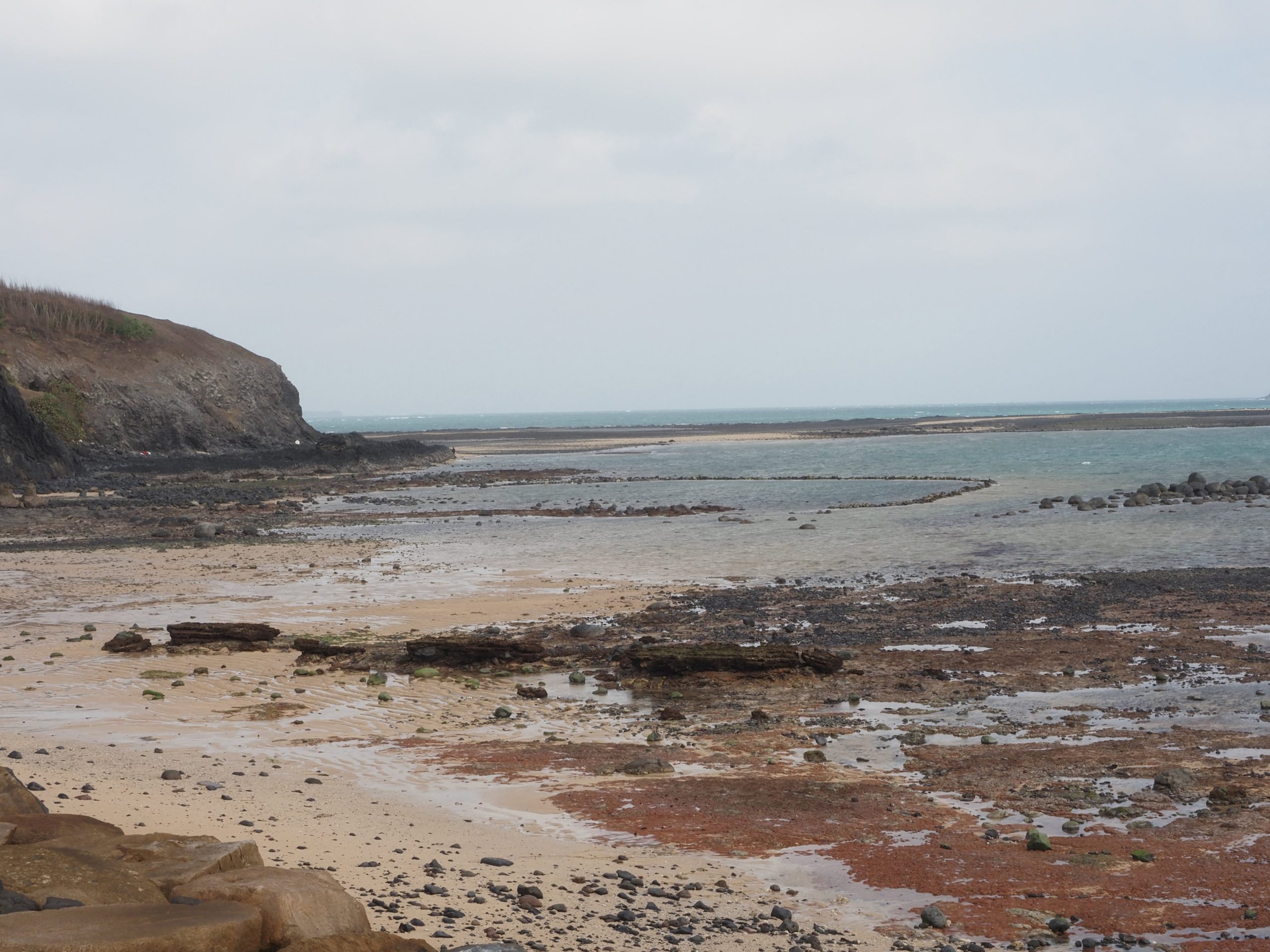
Now, an international research team from Japan, Taiwan, and Denmark revealed that Penghu 1 was derived from a male Denisovan by sequencing its bone and tooth proteins. The molecular identification of Penghu 1, a Denisovan, has significant implications for human evolutionary history in eastern Asia.
Modern human populations in eastern Asia, particularly in the southeast, have genomic elements derived from the Denisovans, and it has been suggested that the two interbred in the region. However, so far, the molecularly identified Denisovan fossils are very fragmentary and have been found only from two sites in northern Asia. This research has directly demonstrated that Denisovans were also distributed in southeastern Asia.
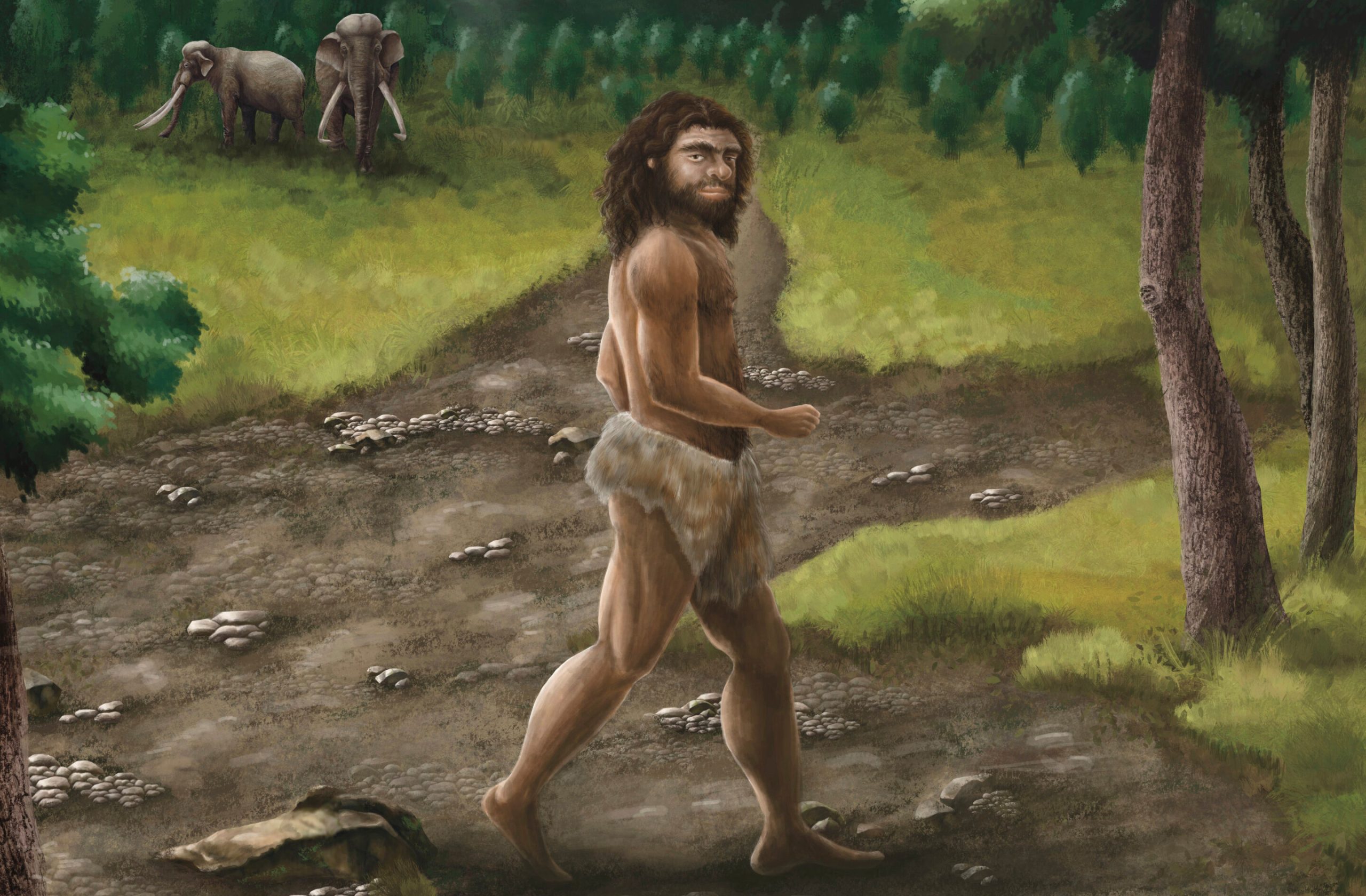
This research also revealed that the jaws and teeth of Denisovans were much more robust than those of Neanderthals and Homo sapiens, who lived on Earth at the same time. These findings have shed light on the mysterious appearance and distribution of Denisovans.
Reference: “A male Denisovan mandible from Pleistocene Taiwan” by Takumi Tsutaya, Rikai Sawafuji, Alberto J. Taurozzi, Zandra Fagernäs, Ioannis Patramanis, Gaudry Troché, Meaghan Mackie, Takashi Gakuhari, Hiroki Oota, Cheng-Hsiu Tsai, Jesper V. Olsen, Yousuke Kaifu, Chun-Hsiang Chang, Enrico Cappellini and Frido Welker, 10 April 2025, Science.
DOI: 10.1126/science.ads3888
Never miss a breakthrough: Join the SciTechDaily newsletter.
Follow us on Google and Google News.
2 Comments
. “The find reveals Denisovans had stronger jaws and likely interbred with humans.”
***********
So THAT explains Ron Perlman!!!
So Denisovians could sail the seas. Unsurprising. One might wonder how far across thee oceans they sailed.