
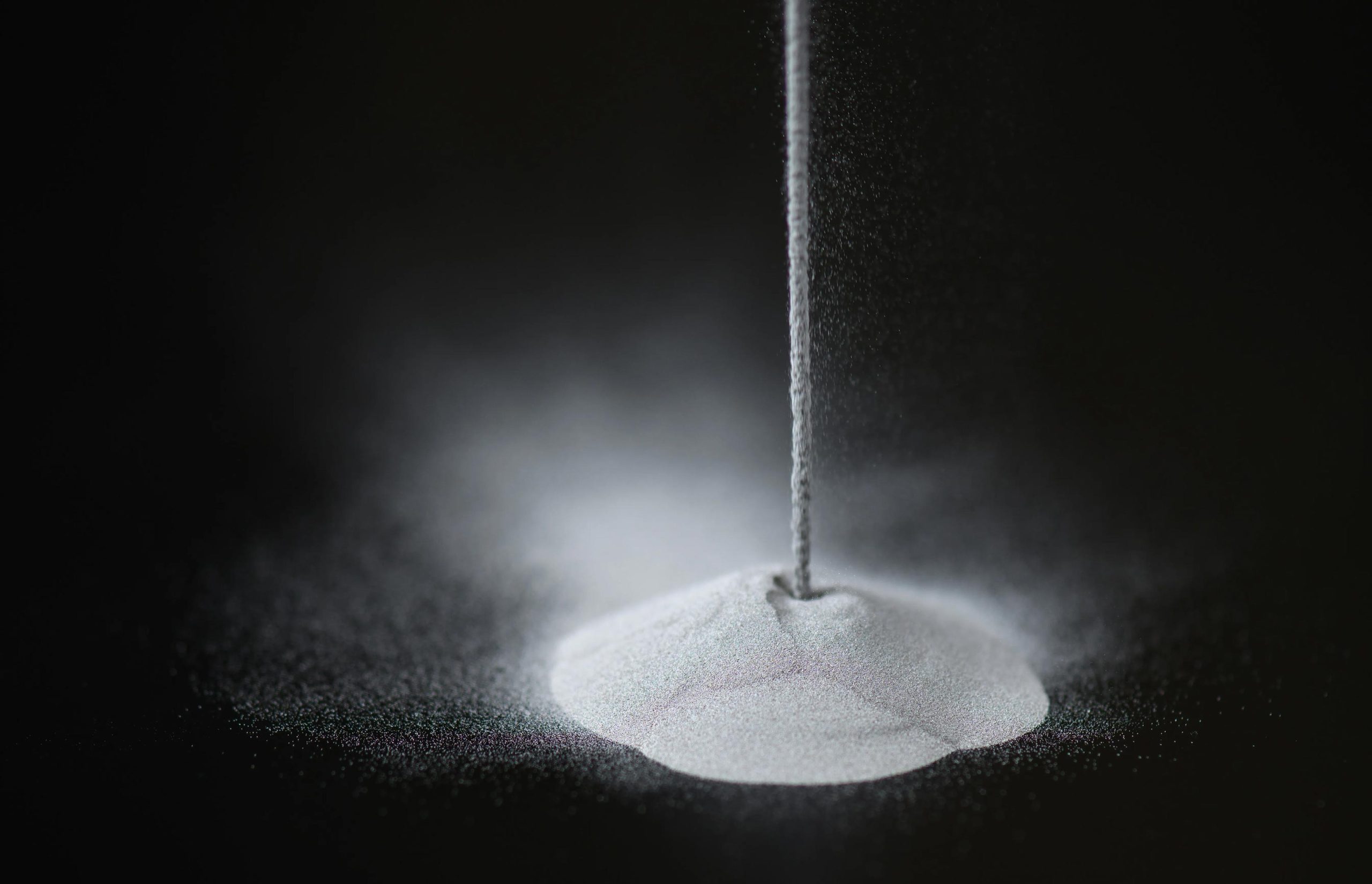
NASA’s superalloy GRX-810, designed for extreme air and spaceflight conditions, is now being licensed to four American companies, enhancing the U.S. economy through improved aerospace components. This 3D-printable material increases the durability of parts, withstands severe temperatures, and promotes more sustainable aviation and space exploration.
NASA’s investment in a breakthrough superalloy developed for the extreme temperatures and harsh conditions of air and spaceflight is on the threshold of paying commercial dividends.
The agency is licensing its invention, dubbed “GRX-810,” to four American companies, a practice that benefits the United States economy as a return on investment of taxpayer dollars.
GRX-810 is a 3D-printable high-temperature material that will lead to stronger, more durable airplane and spacecraft parts that can withstand more punishment before reaching their breaking point.
The co-exclusive license agreements will allow the companies to produce and market GRX-810 to airplane and rocket equipment manufacturers as well as the entire supply chain.
The four co-exclusive licensees are:
- Carpenter Technology Corporation of Reading, Pennsylvania
- Elementum 3D, Inc. of Erie, Colorado
- Linde Advanced Material Technologies, Inc. of Indianapolis
- Powder Alloy Corporation of Loveland, Ohio
GRX-810 is one example of many new technologies NASA’s Technology Transfer Program managers review and file for patent protection. The team also works with inventors to find partners interested in commercialization.
“NASA invests tax dollars into research that demonstrates direct benefit to the U.S. and transfers its technologies to industry by licensing its patents,” said Amy Hiltabidel, licensing manager at NASA’s Glenn Research Center in Cleveland.

New Approach to Developing Materials
NASA engineers designed GRX-810 for aerospace applications, including liquid rocket engine injectors, combustors, turbines, and hot-section components capable of enduring temperatures over 2,000 degrees Fahrenheit.
“GRX-810 represents a new alloy design space and manufacturing technique that was impossible a few years ago,” said Dr. Tim Smith, materials researcher at NASA Glenn.
Smith co-invented the superalloy along with his Glenn colleague Christopher Kantzos using a time-saving computer modeling and laser 3D-printing process that fuses metals together, layer-by-layer. Tiny particles containing oxygen atoms spread throughout the alloy enhance its strength.
Impacts and Benefits
Compared to other nickel-base alloys, GRX-810 can endure higher temperatures and stress and can last up to 2,500 times longer. It’s also nearly four times better at flexing before breaking and twice as resistant to oxidation damage.
“Adoption of this alloy will lead to more sustainable aviation and space exploration,” said Dale Hopkins, deputy project manager of NASA’s Transformational Tools and Technologies project. “This is because jet engine and rocket components made from GRX-810 will lower operating costs by lasting longer and improving overall fuel efficiency.”
Research and development teams include those from Glenn, NASA’s Ames Research Center in California’s Silicon Valley, The Ohio State University, and NASA’s Marshall Space Flight Center in Huntsville, Alabama, where the most recent testing included 3D-printed rocket engine parts.
NASA develops many technologies to solve the challenges of space exploration, advance the understanding of our home planet, and improve air transportation. Through patent licensing and other mechanisms, NASA has spun off more than 2,000 technologies for companies to develop into products and solutions supporting the American economy.
Never miss a breakthrough: Join the SciTechDaily newsletter.
Follow us on Google and Google News.