
Close Menu
    Facebook X (Twitter) Instagram
    SciTechDaily
    • Biology
    • Chemistry
    • Earth
    • Health
    • Physics
    • Science
    • Space
    • Technology
    Facebook X (Twitter) Pinterest YouTube RSS
    SciTechDaily
    Home»Space»NASA on Track for Artemis I Cryogenic Demonstration Test on Wednesday
    Space

    NASA on Track for Artemis I Cryogenic Demonstration Test on Wednesday

    By NASASeptember 20, 2022No Comments4 Mins Read
    Facebook Twitter Pinterest Telegram LinkedIn WhatsApp Email Reddit
    Share
    Facebook Twitter LinkedIn Pinterest Telegram Email Reddit
    Artemis I Rocket Preflight
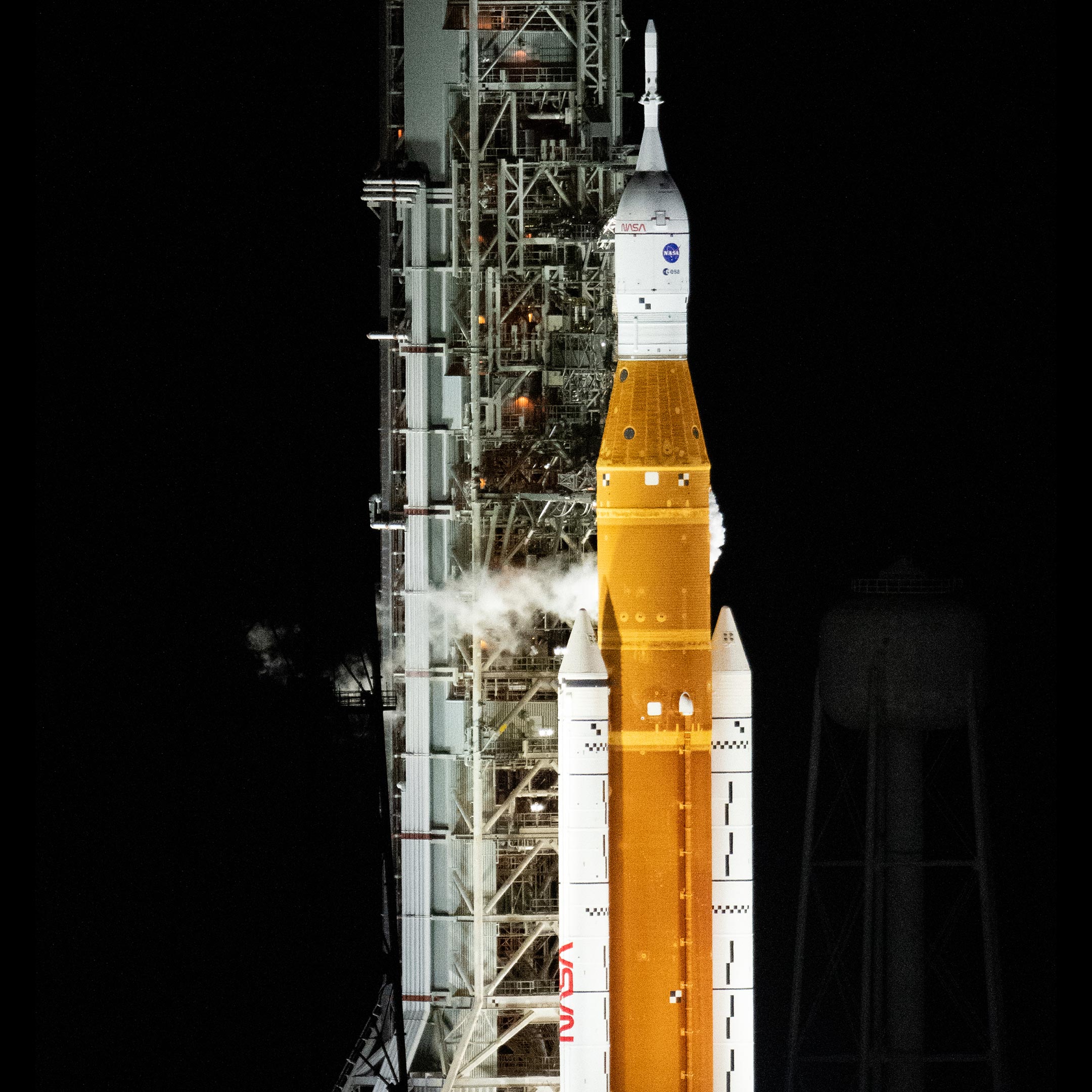
    NASA’s Space Launch System (SLS) rocket with the Orion spacecraft aboard is seen atop the mobile launcher at Launch Pad 39B on Monday, August 29, 2022, as the Artemis I launch teams load more than 700,000 gallons of cryogenic propellants including liquid hydrogen and liquid oxygen as the launch countdown progresses at NASA’s Kennedy Space Center in Florida. Credit: NASA/Joel Kowsky

    NASA remains on schedule for an Artemis I cryogenic demonstration test on Wednesday, September 21. In the days since the previous launch attempt, engineering teams have analyzed the seals that were replaced on an interface for the liquid hydrogen fuel line between the Space Launch System (SLS) rocket and the mobile launcher. They also adjusted procedures for loading cryogenic, or supercold, propellants into the rocket. A small indentation was discovered by engineers on the eight-inch-diameter liquid hydrogen seal. It may have been a contributing factor to the leak on the previous launch attempt.

    With new seals, updated cryogenic procedures, and additional ground software automation, Artemis teams are now preparing to demonstrate the updates under the same cryogenic conditions the rocket will experience on launch day. The four main objectives during the demonstration include assessing the repair to address the hydrogen leak, loading propellants into the rocket’s tanks using the new procedures, conducting the kick-start bleed, and performing a pre-pressurization test.

    RS-25 Engine Infographic
    Credit: NASA/MSFC

    Based on recent engineering assessments, the new cryogenic loading procedures and ground automation will transition temperatures and pressures more slowly during tanking. This is expected to reduce the likelihood of leaks that could be caused by rapid changes in temperature or pressure. After the liquid hydrogen tank transitions from the slow fill phase to fast fill, NASA teams will initiate, or “kick-start,” the flow of liquid hydrogen through the engines to begin conditioning, or chilling them down, for launch.

    After both tanks have reached the replenish phase, the pre-pressurization test will bring the liquid hydrogen tank up to the pressure level it will experience just before launch while engineers calibrate the settings for conditioning the engines at a higher flow rate, as will be done during the terminal count. Performing the pressurization test during the demonstration will enable teams to dial in the necessary settings and validate timelines before launch day, reducing schedule risk during the launch countdown.
    Four RS-25 Engines Fired
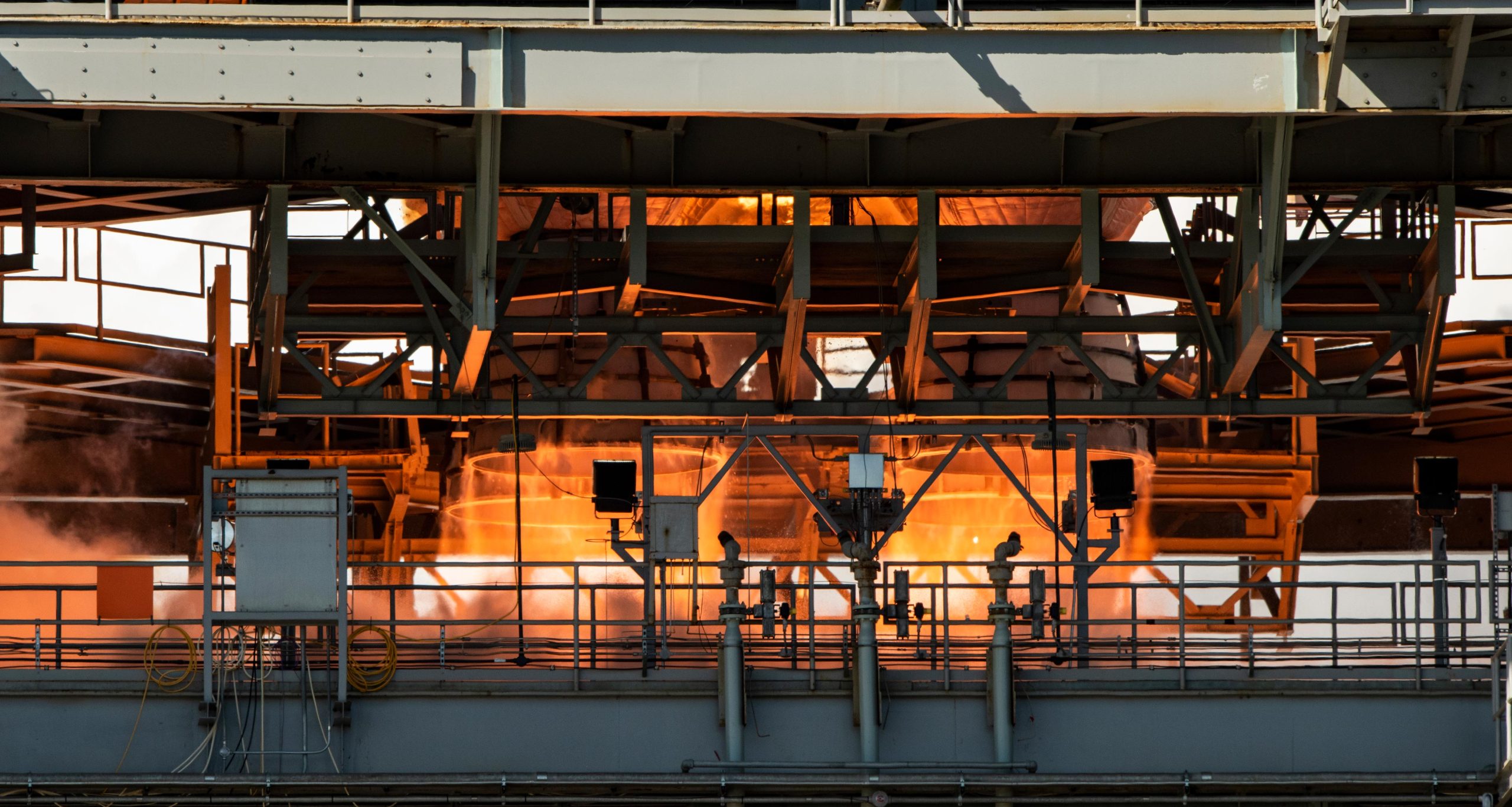
    The four RS-25 engines on NASA’s Space Launch System rocket produce more than 2 million pounds of thrust. The four RS-25 engines last fired during the core stage Green Run hot fire test at NASA’s Stennis Space Center near Bay St. Louis, Mississippi, in March 2021. Credit: NASA/Robert Markowitz

    Call to stations for the demonstration occurred at 5 p.m. EDT (2 p.m. PDT) Monday, September 19. The launch director is expected to give a “go” to begin loading cryogenic propellants into the rocket at approximately 7 a.m. on Wednesday. The test is planned to conclude around 3 p.m. after the teams have met the objectives and will not go into the terminal count phase of the launch countdown. Teams may extend the duration of the test should circumstances warrant it.

    During the test, teams will load propellants into both the core stage and upper stage tanks, and Orion and the SLS boosters will remain unpowered. Meteorologists currently predict favorable weather for the test with a 15% chance of lightning within 5 nautical miles of the area, which meets the criteria required for the test. Meteorologists will continue to monitor expected conditions.

    NASA Television will provide live coverage with commentary of the demonstration beginning at 7:15 a.m. EDT (4:15 a.m. PDT) on Wednesday, September 21. Continuous live video of the Artemis I rocket and spacecraft at Launch Pad 39B remains available on the Kennedy Newsroom YouTube Channel.

    Never miss a breakthrough: Join the SciTechDaily newsletter.
    Follow us on Google and Google News.

    ARTEMIS Mission NASA Rocket Space Launch System
    Share. Facebook Twitter Pinterest LinkedIn Email Reddit

    Related Articles

    NASA’s Artemis II Is on the Launch Pad and the Moon Is Next

    NASA Fires Up RS-25 at 111% Power for Artemis Moon Launches

    NASA Artemis I Space Launch System (SLS) Rocket and Orion Spacecraft Integrated Testing Update

    NASA Awards Artemis Contract for Future SLS Mega Moon Rocket Boosters

    NASA to Roll Out Artemis Mega Moon Rocket for First Time

    NASA’s Powerful SLS Rocket Fully Stacked for Artemis I Moon Mission – Liftoff for Deep Space in February 2022

    One Step Closer: Orion Spacecraft Stacked on Top SLS Rocket for NASA’s Artemis I Mission

    Final Piece of Rocket Hardware Added to Artemis I Stack

    NASA Readies for Future Artemis Moon Missions With SLS Rocket Engine Test Series

    Leave A Reply Cancel Reply

    • Facebook
    • Twitter
    • Pinterest
    • YouTube

    Don't Miss a Discovery

    Subscribe for the Latest in Science & Tech!

    Trending News

    Scientists Uncover Potential Brain Risks of Popular Fish Oil Supplements

    Scientists Discover a Surprising Way To Make Bread Healthier and More Nutritious

    After 60 Years, Scientists Uncover Unexpected Brain Effects of Popular Diabetes Drug Metformin

    New Research Uncovers Hidden Side Effects of Popular Weight-Loss Drugs

    Scientists Rethink Extreme Warming After Surprising Ocean Discovery

    Landmark Study Links Never Marrying to Significantly Higher Cancer Risk

    Researchers Discover Unknown Beetle Species Just Steps From Their Lab

    Largest-Ever Study Finds Medicinal Cannabis Ineffective for Anxiety, Depression, PTSD

    Follow SciTechDaily
    • Facebook
    • Twitter
    • YouTube
    • Pinterest
    • Newsletter
    • RSS
    SciTech News
    • Biology News
    • Chemistry News
    • Earth News
    • Health News
    • Physics News
    • Science News
    • Space News
    • Technology News
    Recent Posts
    • Powerful Lasers Reveal How Matter Becomes Plasma in Trillionths of a Second
    • A Simpler Path to Super-Resolution: Scientists Reinvent Microscopy
    • Scientists Uncover Hidden Genetic Cause of Diabetes in Babies
    • Amazonian Chocolate Could Become the Next Superfood, Scientists Say
    • Challenging the Narrative: New Study Shows U.S. Life Expectancy Is Rising Across All States
    Copyright © 1998 - 2026 SciTechDaily. All Rights Reserved.
    • Science News
    • About
    • Contact
    • Editorial Board
    • Privacy Policy
    • Terms of Use

    Type above and press Enter to search. Press Esc to cancel.