
Close Menu
    Facebook X (Twitter) Instagram
    SciTechDaily
    • Biology
    • Chemistry
    • Earth
    • Health
    • Physics
    • Science
    • Space
    • Technology
    Facebook X (Twitter) Pinterest YouTube RSS
    SciTechDaily
    Home»Space»NASA to Discuss the Latest Findings From Mars Curiosity Rover
    Space

    NASA to Discuss the Latest Findings From Mars Curiosity Rover

    By Jet Propulsion LaboratoryMay 29, 2013No Comments2 Mins Read
    Facebook Twitter Pinterest Telegram LinkedIn WhatsApp Email Reddit
    Share
    Facebook Twitter LinkedIn Pinterest Telegram Email Reddit
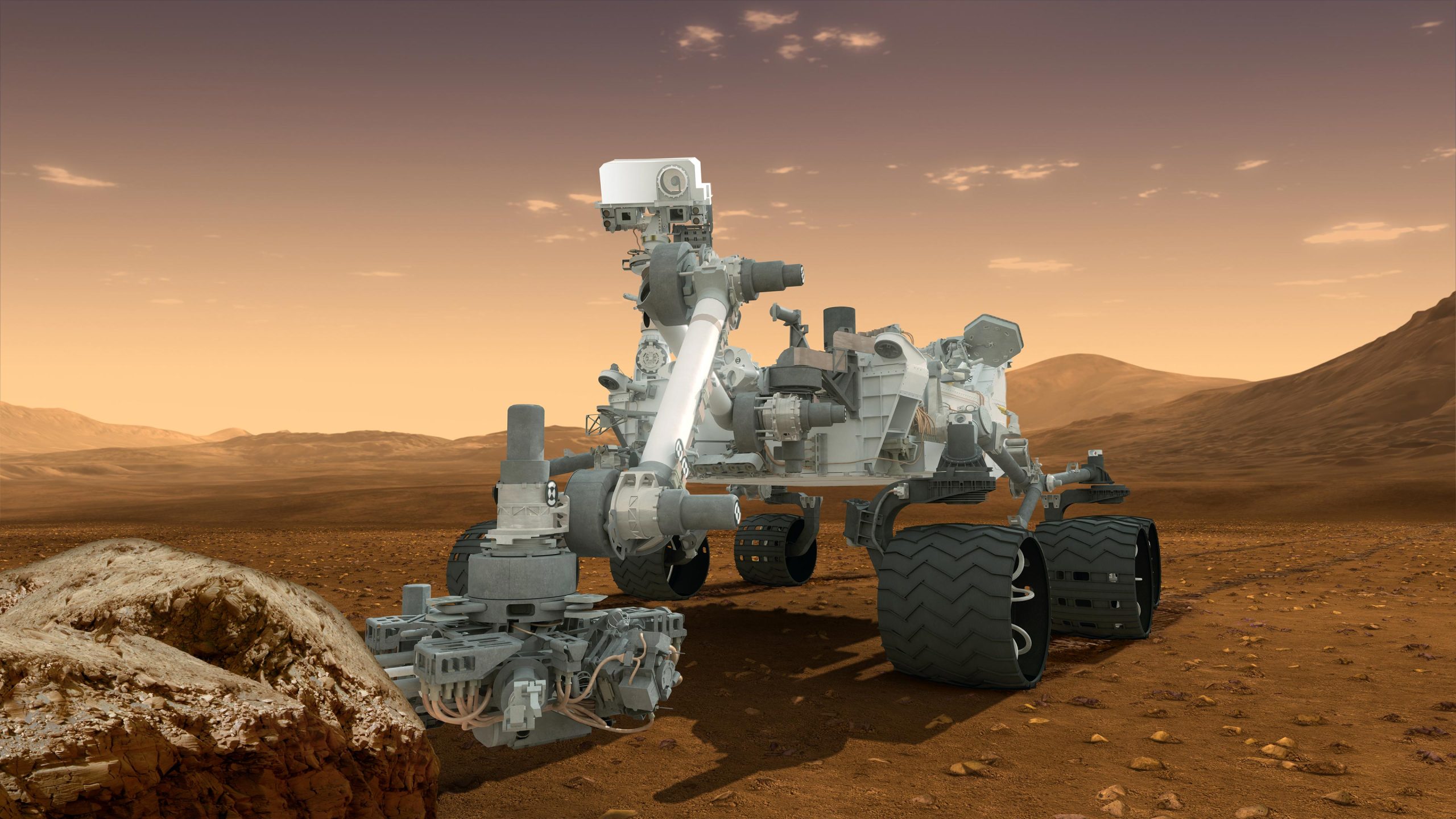
    NASA Mars Science Laboratory Curiosity Rover Mobile Robot
    This artist’s concept features NASA’s Mars Science Laboratory Curiosity rover, a mobile robot for investigating Mars’ past or present ability to sustain microbial life. Credit: NASA/JPL-Caltech

    On May 30th, NASA will hold a press conference to discuss the latest findings from the Mars Science Laboratory Radiation Assessment Detector aboard the Curiosity rover.

    NASA will host a media teleconference at 11:30 a.m. PDT (2:30 p.m. EDT) Thursday, May 30, to present new findings from the Mars Science Laboratory Radiation Assessment Detector (RAD) aboard the rover Curiosity.

    The briefing participants are:

    • Donald M. Hassler, RAD principal investigator and program director, Southwest Research Institute, San Antonio
    • Cary Zeitlin, principal scientist, Southwest Research Institute
    • Eddie Semones, spaceflight radiation health officer, NASA’s Johnson Space Center, Houston
    • Chris Moore, deputy director of advanced exploration systems, NASA Headquarters, Washington

    The Southwest Research Institute and Christian Albrechts University in Kiel, Germany, built RAD with funding from NASA’s Human Exploration and Operations Mission Directorate and Germany’s national aerospace research center, Deutsches Zentrum fur Luft- und Raumfahrt. NASA’s Jet Propulsion Laboratory, a division of the California Institute of Technology in Pasadena, California, manages the Mars Science Laboratory Project. NASA’s Science Mission Directorate in Washington manages the Mars Exploration Program.

    Never miss a breakthrough: Join the SciTechDaily newsletter.
    Follow us on Google and Google News.

    Astronomy Curiosity Rover JPL Mars NASA Planetary Science
    Share. Facebook Twitter Pinterest LinkedIn Email Reddit

    Related Articles

    Mineralogy of Martian Soil Is Similar to Soils of Volcanic Origin in Hawaii

    Curiosity Rover Photographs Diverse Rocks

    Curiosity Prepares to Take Its First Scoop of Soil for Analysis

    Curiosity Finds Ancient Streambed on Mars

    NASA’s Curiosity Prepares for Use of Its Arm and Tools

    Curiosity Sends Back Radioed Words and New Telephoto View of Mars

    NASA’s Curiosity Readies for First Drive on Mars

    Color HiRISE Image of Curiosity Rover on Mars

    First 360-Degree Color Panorama From NASA’s Curiosity Mars Rover

    Leave A Reply Cancel Reply

    • Facebook
    • Twitter
    • Pinterest
    • YouTube

    Don't Miss a Discovery

    Subscribe for the Latest in Science & Tech!

    Trending News

    Scientists Discover New Compound That Burns Fat Without Killing Your Appetite

    Mount Vesuvius Buried These Scrolls for 2,000 Years – Now Scientists May Read Them

    The Asteroid That Killed the Dinosaurs Was Stranger Than We Thought

    Scientists Rewrite the Atomic Structure of Glass While It Melts

    DNA Has a Four-Letter Alphabet. Scientists Just Expanded It to Eight

    A Little-Known Protein Could Point to a New Way To Treat Alzheimer’s

    Scientists Turn Plastic Waste Into Protein-Rich Cookies

    New Findings Could Help Build Computers That Think More Like Your Brain

    Follow SciTechDaily
    • Facebook
    • Twitter
    • YouTube
    • Pinterest
    • Newsletter
    • RSS
    SciTech News
    • Biology News
    • Chemistry News
    • Earth News
    • Health News
    • Physics News
    • Science News
    • Space News
    • Technology News
    Recent Posts
    • Scientists Reassess a Major Risk of Breast Cancer Screening
    • Every Breath Leaves a Unique Signature in Your Brain, Study Finds
    • Natural Compound May Help Protect the Brain and Heart From Excess Salt
    • Could This Cellular “Cleanup Crew” Hold New Clues to Chronic Inflammation?
    • Four Million Ancient Coins Reveal What Really Held the Roman Empire Together
    Copyright © 1998 - 2026 SciTechDaily. All Rights Reserved.
    • Science News
    • About
    • Contact
    • Editorial Board
    • Privacy Policy
    • Terms of Use

    Type above and press Enter to search. Press Esc to cancel.