
Close Menu
    Facebook X (Twitter) Instagram
    SciTechDaily
    • Biology
    • Chemistry
    • Earth
    • Health
    • Physics
    • Science
    • Space
    • Technology
    Facebook X (Twitter) Pinterest YouTube RSS
    SciTechDaily
    Home»Space»NASA Will Provide Live Coverage of Spacecraft Arrival at Asteroid Bennu
    Space

    NASA Will Provide Live Coverage of Spacecraft Arrival at Asteroid Bennu

    By Dwayne Brown / JoAnna Wendel, NASANovember 30, 2018No Comments2 Mins Read
    Facebook Twitter Pinterest Telegram LinkedIn WhatsApp Email Reddit
    Share
    Facebook Twitter LinkedIn Pinterest Telegram Email Reddit
    NASA Provides Live Coverage of Spacecraft Arrival at Asteroid
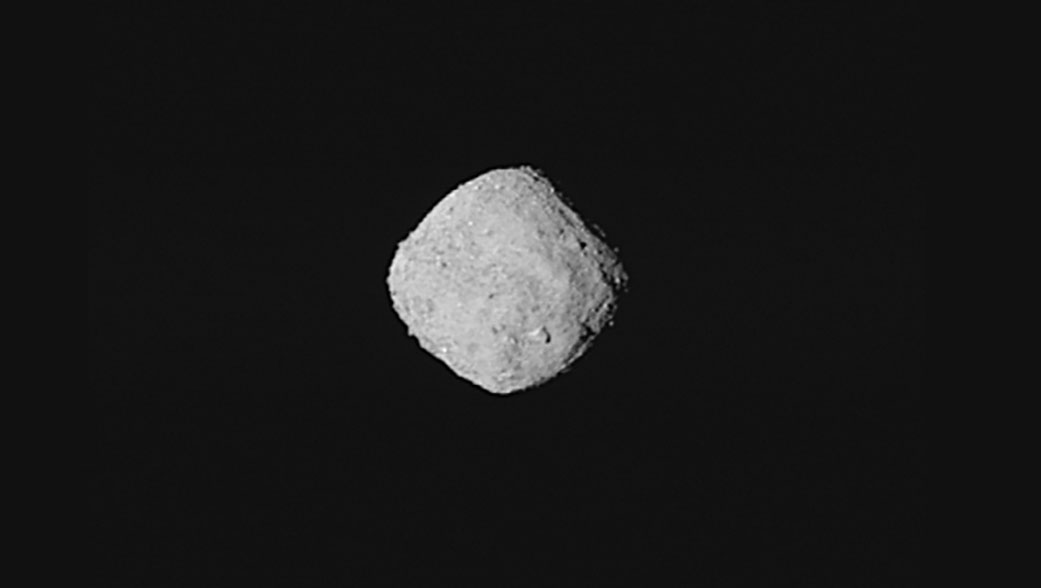
    This “super-resolution” view of asteroid Bennu was created using eight images obtained by NASA’s OSIRIS-REx spacecraft on October 29, 2018, from a distance of about 205 miles (330 kilometers). Credit: NASA/Goddard/University of Arizona

    NASA’s Origins, Spectral Interpretation, Resource Identification, Security-Regolith Explorer (OSIRIS-REx) spacecraft is scheduled to rendezvous with its targeted asteroid, Bennu, on Monday, December 3 at approximately noon EST.

    NASA will air a live event from 11:45 a.m. to 12:15 p.m. EST to highlight the arrival of the agency’s first asteroid sample return mission. The program will originate from OSIRIS-REx’s mission control at the Lockheed Martin Space facility in Littleton, Colorado, and will air on NASA Television, Facebook Live, Ustream, YouTube and the agency’s website. NASA TV also will air an arrival preview program starting at 11:15 a.m. EST.

    OSIRIS-REx launched in September 2016 and has been slowly approaching Bennu. The spacecraft will spend almost a year surveying the asteroid with five scientific instruments with the goal of selecting a location that is safe and scientifically interesting to collect the sample. OSIRIS-REx will return the sample to Earth in September 2023.

    Participants in the arrival coverage event include:

    • Michelle Thaller, moderator, NASA’s Goddard Space Flight Center, Greenbelt, Md
    • Rich Burns, OSIRIS-REx project manager, NASA’s Goddard Space Flight Center, Greenbelt, Md
    • Heather Enos, OSIRIS-REx deputy principal investigator, University of Arizona, Tucson
    • Mark Fisher, OSIRIS-REx spacecraft engineer, Lockheed Martin Space, Littleton, Colo.
    • Coralie Adam, OSIRIS-REx flight navigator, KinetX, Inc. Space Navigation and Flight Dynamics, Simi Valley, California.

    Never miss a breakthrough: Join the SciTechDaily newsletter.
    Follow us on Google and Google News.

    Asteroid Astronomy
    Share. Facebook Twitter Pinterest LinkedIn Email Reddit

    Related Articles

    1,000th Near-Earth Asteroid Observed by Planetary Radar Since 1968

    Solar System’s Fastest-Orbiting Asteroid Discovered – Orbits the Sun in Just 113 Days

    Highest-Resolution Measurements of Asteroid Surface Temperatures Ever Obtained From Earth

    Asteroids In Depth: Our Solar System’s Asteroid Belt

    Researchers Discover Orbital Patterns of Trans-Neptunian Objects Vary Based on Their Color

    CO2-Rich Liquid Water Discovered in Ancient Meteorite – From an Asteroid That Formed 4.6 Billion Years Ago

    NASA’s NEOWISE Asteroid-Hunting Space Telescope Gets Two-Year Mission Extension

    Asteroid That Hit Botswana in 2018 Likely Originated From Vesta

    How Do We Know if an Asteroid Headed Our Way Is a Dangerous Threat?

    Leave A Reply Cancel Reply

    • Facebook
    • Twitter
    • Pinterest
    • YouTube

    Don't Miss a Discovery

    Subscribe for the Latest in Science & Tech!

    Trending News

    The Human Family Tree May Need a Major Rewrite

    Scientists Find a Surprising Cancer-Fighting Effect in Dark Sweet Cherries

    New AI Detects Hidden Warning Signs of Solar Eruptions Hours Before They Emerge

    Scientists Discover an Unexpected Mental Health Benefit of Ozempic

    Paleontologists Spent 20 Years Dating Thousands of Fossils – Here’s What They Found

    Scientists Discover a “New” Frog That Was Hiding in Plain Sight for 100 Years

    Earth’s Inner Core May Hide a Strange State of Matter

    The Brain Makes New Neurons Even in Adulthood. Depression May Stop It

    Follow SciTechDaily
    • Facebook
    • Twitter
    • YouTube
    • Pinterest
    • Newsletter
    • RSS
    SciTech News
    • Biology News
    • Chemistry News
    • Earth News
    • Health News
    • Physics News
    • Science News
    • Space News
    • Technology News
    Recent Posts
    • Researchers Discover a Gut Microbe Metabolite That Supercharges Cancer Immunotherapy
    • How Often You Exercise May Matter More Than How Hard You Work Out for Mental Health
    • NASA’s Curiosity Rover Discovers a Strange “Honeycomb” Landscape on Mars
    • Mercury Isn’t What Scientists Thought: New Study Reveals a Surprisingly Different Surface
    • A New Human Organ Chip Reveals How Cancer Invades the Body
    Copyright © 1998 - 2026 SciTechDaily. All Rights Reserved.
    • Science News
    • About
    • Contact
    • Editorial Board
    • Privacy Policy
    • Terms of Use

    Type above and press Enter to search. Press Esc to cancel.