
Close Menu
    Facebook X (Twitter) Instagram
    SciTechDaily
    • Biology
    • Chemistry
    • Earth
    • Health
    • Physics
    • Science
    • Space
    • Technology
    Facebook X (Twitter) Pinterest YouTube RSS
    SciTechDaily
    Home»Space»NASA’s Dawn Spacecraft Successfully Observes Ceres at Opposition from Sun
    Space

    NASA’s Dawn Spacecraft Successfully Observes Ceres at Opposition from Sun

    By Elizabeth Landau, Jet Propulsion LaboratoryMay 16, 2017No Comments2 Mins Read
    Facebook Twitter Pinterest Telegram LinkedIn WhatsApp Email Reddit
    Share
    Facebook Twitter LinkedIn Pinterest Telegram Email Reddit
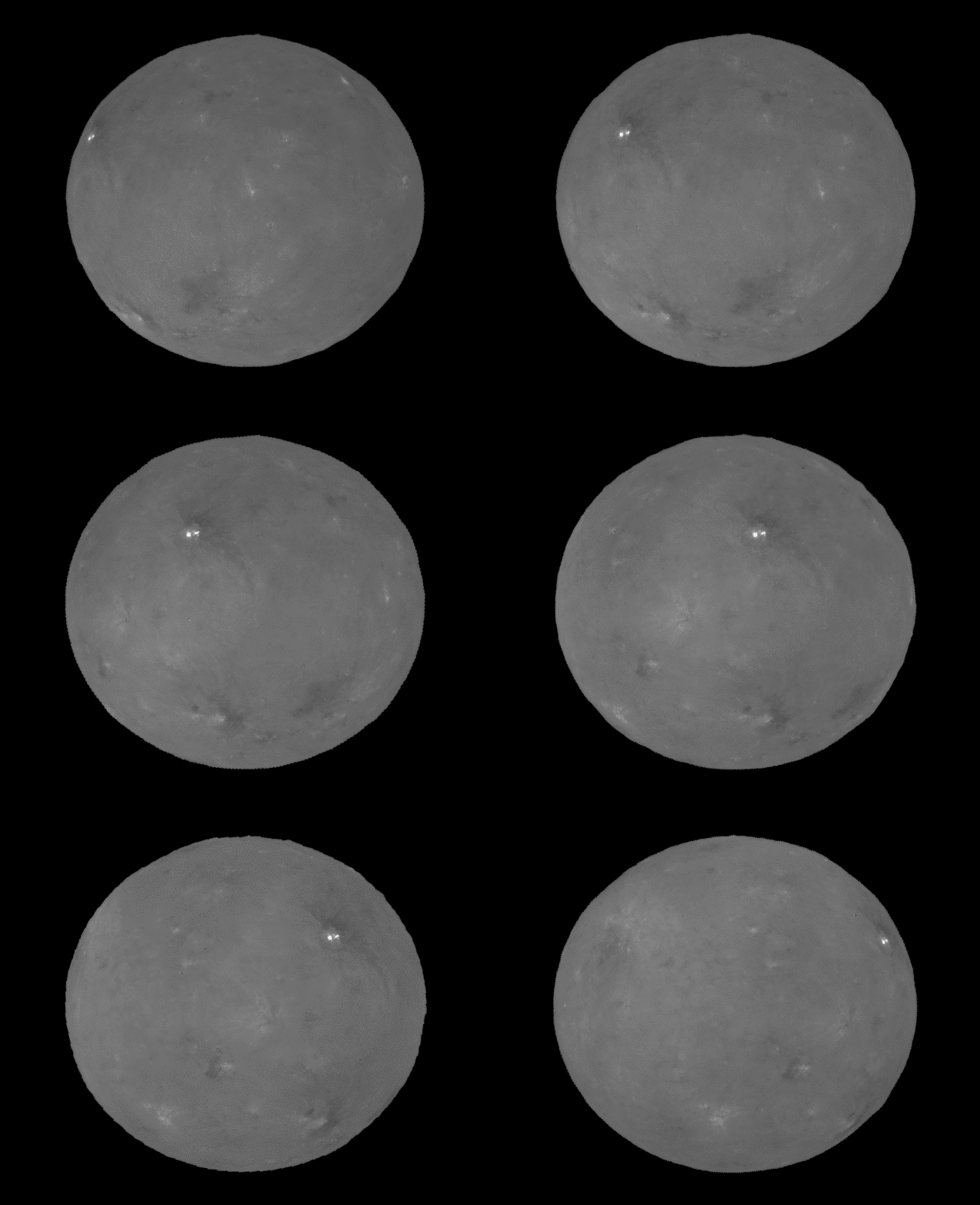
    Ceres During 'Opposition Surge'
    This movie is made of images taken by NASA’s Dawn spacecraft, from a position exactly between the sun and Ceres’ surface

    On April 29th NASA’s Dawn Spacecraft successfully observed Ceres at opposition, taking images from a position exactly between the sun and Ceres’ surface. Mission specialists had carefully maneuvered Dawn into a special orbit so that the spacecraft could view Occator Crater, which contains the brightest area of Ceres, from this new perspective.

    A new movie shows these opposition images, with contrast enhanced to highlight brightness differences. The bright spots of Occator stand out particularly well on an otherwise relatively bland surface. Dawn took these images from an altitude of about 12,000 miles (20,000 kilometers).

    Based on data from ground-based telescopes and spacecraft that previously viewed planetary bodies at opposition, scientists correctly predicted that Ceres would appear brighter from this opposition configuration. This increase in brightness, or “surge,” relates the size of the grains of material on the surface, as well as the porosity of those materials. The science motivation for performing these observations is further explained in the March issue of the Dawn Journal blog.

    Dawn’s observations of Ceres during its more than two years there cover a broader range of illumination angles than almost any body in the solar system. This provides scientists with an opportunity to gain new insights into the surface properties. They are currently analyzing the new data.

    The new observations and images were largely unaffected by the loss of function of Dawn’s third reaction wheel. The spacecraft is healthy and orients itself using its hydrazine thrusters.

    Never miss a breakthrough: Join the SciTechDaily newsletter.
    Follow us on Google and Google News.

    Astronomy Ceres Dawn Spacecraft Planetary Science
    Share. Facebook Twitter Pinterest LinkedIn Email Reddit

    Related Articles

    A New View of Ceres, Dawn Shows Finer Detail

    Dawn Captures New Images of Ceres Bright Spots

    New Images by NASA’s Dawn Spacecraft Show Mysterious Bright Spots on Ceres

    New Color Map of Ceres Reveals Surface Diversity

    NASA’s Dawn Spacecraft Achieves Orbit Around Ceres

    Dawn Spacecraft Shows Crater Shapes on Ceres’ Surface

    NASA’s Dawn Captures Sharper Images of Ceres

    Dawn Spacecraft Captures Best-Ever View of Ceres

    NASA’s Dawn Spacecraft Closes in on Ceres, Delivers New Images

    Leave A Reply Cancel Reply

    • Facebook
    • Twitter
    • Pinterest
    • YouTube

    Don't Miss a Discovery

    Subscribe for the Latest in Science & Tech!

    Trending News

    Tea or Coffee? Your Daily Choice Could Affect Osteoporosis Risk

    Vitamin C May Fight Cancer in a Surprising Way

    Hidden Earthquake Threat: Oregon’s Fault May Be Closer to the Surface Than Scientists Thought

    Scientists Discover Hidden Sleep Switch That Boosts Brainpower, Builds Muscle, and Burns Fat

    Ancient Mega-Floods Once Ripped Across Mars and Left This Giant Scar

    Scientists Discover Cheap, Natural Remedy for High Blood Pressure

    Earth’s Upper Atmosphere Is Cooling Fast and Scientists Finally Know Why

    32,000 Olympic Pools of Magma Nearly Erupted Beneath Atlantic Island

    Follow SciTechDaily
    • Facebook
    • Twitter
    • YouTube
    • Pinterest
    • Newsletter
    • RSS
    SciTech News
    • Biology News
    • Chemistry News
    • Earth News
    • Health News
    • Physics News
    • Science News
    • Space News
    • Technology News
    Recent Posts
    • Scientists Are Turning Ocean Trash Into Roads – and It’s Actually Working
    • This Alien Planet Has Rock Clouds That Vaporize Before Sunset
    • The Coldest “Stars” in the Galaxy Might Actually Be Alien Megastructures
    • The Simple Habit That Could Lower Your Cancer Risk
    • New AI Blood Test Predicts Stroke, Heart Failure, and More up to 15 Years in Advance
    Copyright © 1998 - 2026 SciTechDaily. All Rights Reserved.
    • Science News
    • About
    • Contact
    • Editorial Board
    • Privacy Policy
    • Terms of Use

    Type above and press Enter to search. Press Esc to cancel.