
Close Menu
    Facebook X (Twitter) Instagram
    SciTechDaily
    • Biology
    • Chemistry
    • Earth
    • Health
    • Physics
    • Science
    • Space
    • Technology
    Facebook X (Twitter) Pinterest YouTube RSS
    SciTechDaily
    Home»Biology»Nature’s Dieting Tip: Scientists Uncover Surprising Plasticity of the Gut
    Biology

    Nature’s Dieting Tip: Scientists Uncover Surprising Plasticity of the Gut

    By University of Copenhagen - Faculty of ScienceMarch 8, 2024No Comments3 Mins Read
    Facebook Twitter Pinterest Telegram LinkedIn WhatsApp Email Reddit
    Share
    Facebook Twitter LinkedIn Pinterest Telegram Email Reddit
    Small Intestine
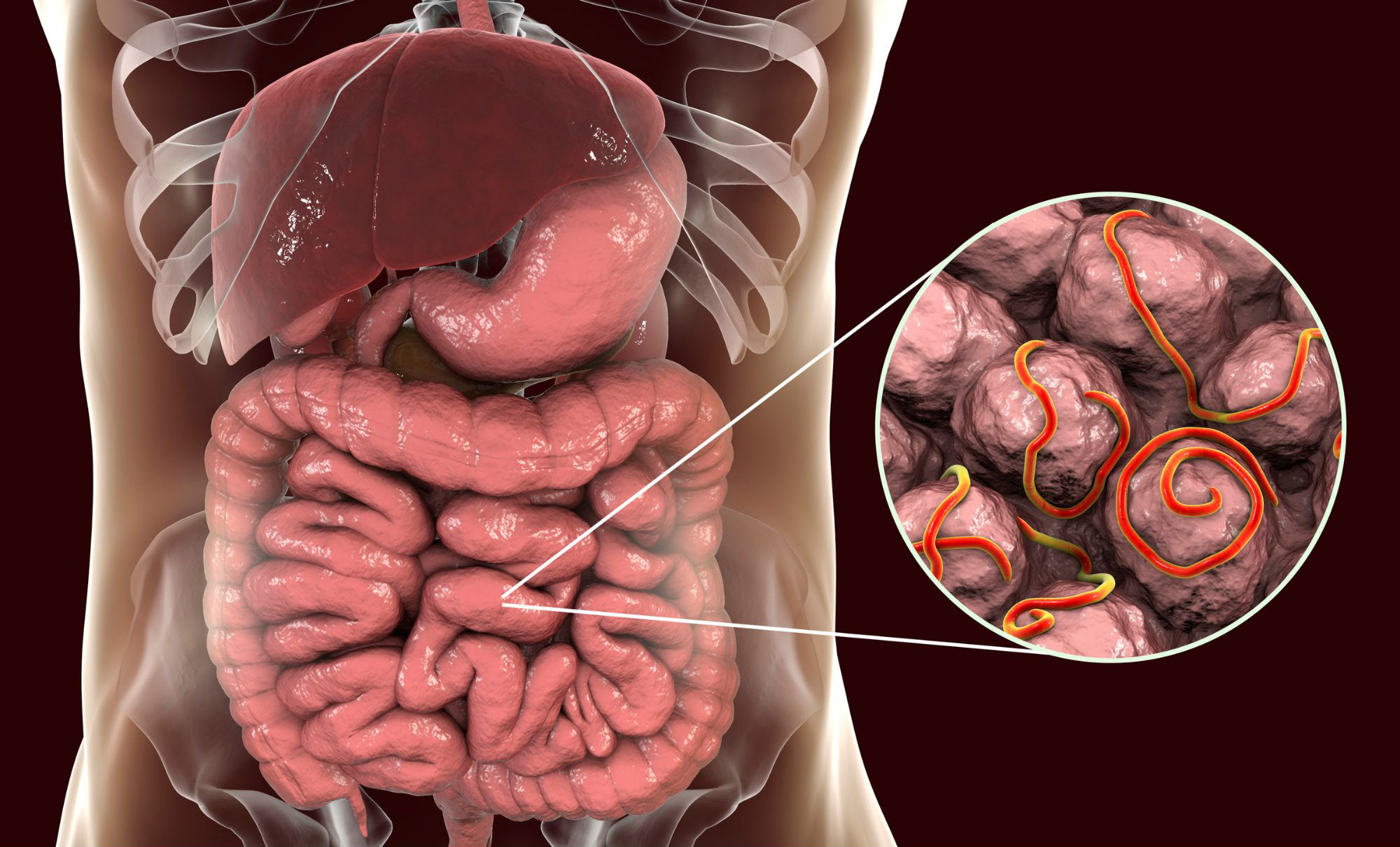
    Research using fruit flies has revealed activin signaling as a key mechanism in gut plasticity, influencing its ability to shrink and expand in response to nutrient availability. This finding has implications for understanding organ adaptation and opens new pathways for exploring treatments for colorectal cancer linked to activin signaling disruptions.

    One of the most striking examples of gut plasticity can be observed in animals that are exposed to prolonged periods of fasting, such as hibernating animals or phyton snakes that goes for months without eating, where the gut shrinks with as much as 50%, but recovers in size following a few days of re-feeding. Importantly, the capacity of the gut to undergo resizing is broadly conserved. Hence, in humans, an increase in gut size is observed during pregnancy, which facilitates the uptake of nutrients to support the growth of the fetus.

    The Colombani Andersen lab at the section of Cell & Neurobiology, Department of Biology, University of Copenhagen uses the fruit fly, Drosophila, to study the mechanisms that regulate gut plasticity. The results have just been published in the scientific journal Nature Communications.

    “Taking advantage of the broad genetic toolbox available in the fruit fly, we have investigated the mechanisms underpinning nutrient-dependent gut resizing,” says Dr. Ditte S. Andersen.

    Mechanisms of Gut Resizing Discovered

    The results show that nutrient deprivation results in an accumulation of progenitor cells that fail to differentiate into the mature cells causing the gut to shrink. Upon refeeding these stalled progenitor cells readily differentiate into mature cells to promote regrowth of the gut.

    Ditte S. Andersen continues: “We have identified activins as critical regulators of this process. In nutrient-restrictive conditions, activin signaling is strongly repressed, while it is reactivated and required for progenitor maturation and gut resizing in response to refeeding. Activin-dependent resizing of the gut is physiologically important as inhibition of activin signaling reduces survival of flies to intermittent fasting.”

    Regulators of organ plasticity are essential for host adaptation to an ever-changing environment, however, the same signals are often deregulated in cancers. Indeed, mutations affecting activin signaling are frequent in cancer cells in a variety of tissues. Our study provides a starting point for investigating the link between aberrant activin signaling and the development of colorectal cancers and sets the stage for exploring the efficiency of anti-activin therapeutic ­strategies in treating colorectal cancers.

    Reference: “Drosophila activins adapt gut size to food intake and promote regenerative growth” by Christian F. Christensen, Quentin Laurichesse, Rihab Loudhaief, Julien Colombani and Ditte S. Andersen, 4 January 2024, Nature Communications.
    DOI: 10.1038/s41467-023-44553-9

    Never miss a breakthrough: Join the SciTechDaily newsletter.
    Follow us on Google and Google News.

    Gut Intestines Popular University of Copenhagen
    Share. Facebook Twitter Pinterest LinkedIn Email Reddit

    Related Articles

    Dying Beauty – Extinct Animals on Islands Cannot Be Replaced

    New Research Unveils the Gut’s Surprising Role in Anorexia

    Invisible Inhabitants: Your Baby’s Gut Is Crawling With Unknown Viruses

    Octopus-Like Tentacles Help Cancer Cells Invade the Body – New Insight on a Fundamental Mechanism in All Living Cells

    Surprise! We’re More Like Primitive Fishes Than Once Believed

    New Genetics Research Reveals How Earth’s Oddest Mammal Got to Be So Bizarre

    Scientists Extract Complete Human Genome From 5,700-Year-Old “Chewing Gum” – Here’s What They Found

    Darwin Contradicted: Survival of the Friendliest Bacteria

    Rise in Allergies Linked to Widespread Antibiotic Use to Combat Bacteria

    Leave A Reply Cancel Reply

    • Facebook
    • Twitter
    • Pinterest
    • YouTube

    Don't Miss a Discovery

    Subscribe for the Latest in Science & Tech!

    Trending News

    Scientists Discover How Coffee Impacts Memory, Mood, and Gut Health

    Why Did the Neanderthals Disappear? Scientists Reveal Humans Had a Hidden Advantage

    Physicists Propose Strange Experiment Where Time Goes Quantum

    Magnesium Magic: New Drug Melts Fat Even on a High-Fat, High-Sugar Diet

    Weight-Loss Drugs Like Ozempic May Come With an Unexpected Cost

    Mezcal “Worm” in a Bottle Mystery: DNA Testing Reveals a Surprise

    New Research Reveals That Your Morning Coffee Activates an Ancient Longevity Switch

    This Is What Makes You Irresistible to Mosquitoes

    Follow SciTechDaily
    • Facebook
    • Twitter
    • YouTube
    • Pinterest
    • Newsletter
    • RSS
    SciTech News
    • Biology News
    • Chemistry News
    • Earth News
    • Health News
    • Physics News
    • Science News
    • Space News
    • Technology News
    Recent Posts
    • This Popular Supplement May Boost Your Brain, Not Just Your Muscles
    • What Happened in Childhood Could Be Causing Your Gut Issues Today
    • Scientists Say This Simple Supplement May Actually Reverse Heart Disease
    • Scientists Just Captured Killer T Cells in Action Inside Tumors
    • Alaska’s Sky Explodes With Swirling Clouds and a Hidden Polar Storm
    Copyright © 1998 - 2026 SciTechDaily. All Rights Reserved.
    • Science News
    • About
    • Contact
    • Editorial Board
    • Privacy Policy
    • Terms of Use

    Type above and press Enter to search. Press Esc to cancel.