
Close Menu
    Facebook X (Twitter) Instagram
    SciTechDaily
    • Biology
    • Chemistry
    • Earth
    • Health
    • Physics
    • Science
    • Space
    • Technology
    Facebook X (Twitter) Pinterest YouTube RSS
    SciTechDaily
    Home»Biology»Neuroscience Breakthroughs Could Be Harnessed by Military
    Biology

    Neuroscience Breakthroughs Could Be Harnessed by Military

    By SciTechDailyFebruary 9, 20122 Comments2 Mins Read
    Facebook Twitter Pinterest Telegram LinkedIn WhatsApp Email Reddit
    Share
    Facebook Twitter LinkedIn Pinterest Telegram Email Reddit
    Brain Waves Activity Signals
    A new report explores how the military could embrace recent neuroscience breakthroughs and addresses the associated legal and ethical concerns.

    If the military embraces the latest developments in neuroscience, soldiers could have their minds directly plugged into weapons systems, undergo brain scans during recruitment, and use neural stimulation to boost learning. These scenarios were described in a report by the Royal Society, which also highlights the legal and ethical concerns that such innovations will bring forth.

    The authors also anticipate the creation of new designer drugs that boost performance, make captives more talkative, and plunge enemy troops into slumber. They even argue that hostile uses of neuroscience are more likely, since scientists remain oblivious to the consequences of their research.

    Transcranial direct current stimulation (tDCS) can already improve people’s performance in some tasks. US neuroscientists are trying to improve people’s ability to spot improvised explosive devices (IEDs), snipers, and other hidden threats in virtual reality training using tDCS. Those that used tDCS responded almost twice as fast as the ones that didn’t.

    Brain-machine interfaces (BMIs) will allow people to connect their brains directly into drones and weapons systems. This comes out of work that has enabled people to control computer cursors and artificial brains through BMIs that read their brain signals.

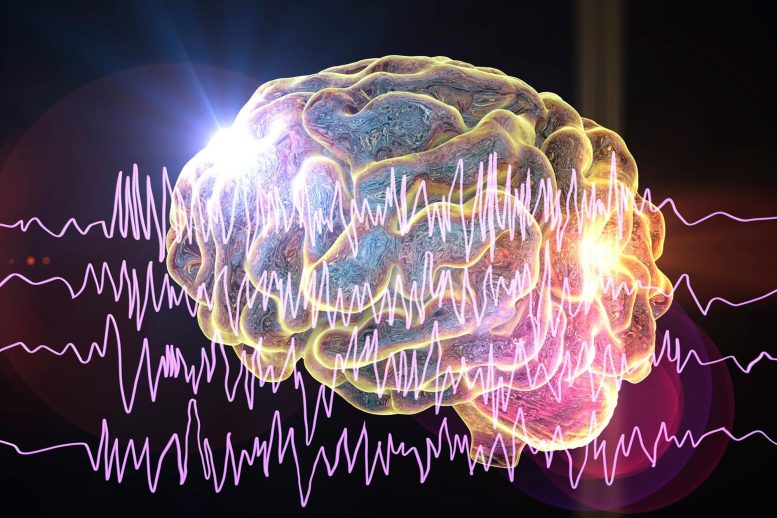
    Using EEGs coupled with a system called neurofeedback, people can learn how to control brainwaves and improve their skills. It’s already been shown to improve training in golfers and archers.

    Never miss a breakthrough: Join the SciTechDaily newsletter.
    Follow us on Google and Google News.

    Brain-Machine Interface EEG Ethics Legal Military Military Applications Neuroscience Royal Society TDCS Weapons
    Share. Facebook Twitter Pinterest LinkedIn Email Reddit

    Related Articles

    DARPA’s CT2WS Program Improves Target Detection

    Neuroscientists Create Model to Study Burst Suppression and Brain States

    Human Brains Take Longer to Wire Up Than Simian Ones

    Researchers Use fMRI to Study How Humor Activates Kids’ Brain Regions

    Neuroscientists Decode Correlation Between Sound and Brain Activity

    Mother’s Nurturing Results in Larger Hippocampus in Children

    Transcranial Direct Current Stimulation: The Ethics of Brain Boosting

    Neuroscientists Discover that Drosophila Orb2 Plays Role in Long-Term Memory

    Neuroscientists Study Cortical Areas Specialized in Processing Visual Inputs in Mice

    2 Comments

    1. N. Coppedge on January 1, 2013 6:36 pm

      I want to know when brain scanning will become a standard integrated feature for patrons at Starbucks. There’s a lot of potential with brain scanning and wireless devices to serve consumer preferences. And, if brain scanning is really valuable to researchers, why not offer pay incentives to the average joe who wants to make a little cash off his brain scanning device? New forms of art might be the very bottom line.

      Definite possibilities. The market should tap into this.

      It seems very related to the recent interests in neural networks for computer games and economics functions. But I don’t know if that’s the straightest road, even if it’s ultimately related. Maybe neural networks could handle parallel processing functions.

      Reply
    2. PeaceToAll on June 17, 2013 7:44 pm

      A lot more can be done, an comprehensive investigative report on patents and references.

      Dig deeper.

      Reply
    Leave A Reply Cancel Reply

    • Facebook
    • Twitter
    • Pinterest
    • YouTube

    Don't Miss a Discovery

    Subscribe for the Latest in Science & Tech!

    Trending News

    Two Drinks a Day May Be Riskier Than Many Americans Think

    A Lost Human Lineage May Have Left a Genetic Legacy in People Today

    Study Reveals a Surprising Link Between Birth Control Pills and Binge Eating

    NASA’s HiRISE Captures Perseverance Rover Completing a Marathon on Mars

    Ancient DNA Reveals the Hidden Origins of China’s Mysterious Shimao Civilization

    Scientists Discover a Surprising Link Between Sleep, Genes, and Alzheimer’s

    Popular Childhood Drinks Linked to Higher Blood Pressure Later in Life

    Scientists Just Challenged a 70-Year-Old Myth About the Human Brain

    Follow SciTechDaily
    • Facebook
    • Twitter
    • YouTube
    • Pinterest
    • Newsletter
    • RSS
    SciTech News
    • Biology News
    • Chemistry News
    • Earth News
    • Health News
    • Physics News
    • Science News
    • Space News
    • Technology News
    Recent Posts
    • New Study Suggests Vitamin C Could Help Prevent Cancer
    • New Fossil Study Challenges the Classic Story of Human Evolution
    • The Surprising Chocolate Trick That Could Boost Your Gym Performance
    • 6 Simple Scent Games That Can Make Your Dog Happier
    • Common Mouth Bacteria May Trigger Dangerous Calcium Buildup in the Heart
    Copyright © 1998 - 2026 SciTechDaily. All Rights Reserved.
    • Science News
    • About
    • Contact
    • Editorial Board
    • Privacy Policy
    • Terms of Use

    Type above and press Enter to search. Press Esc to cancel.