
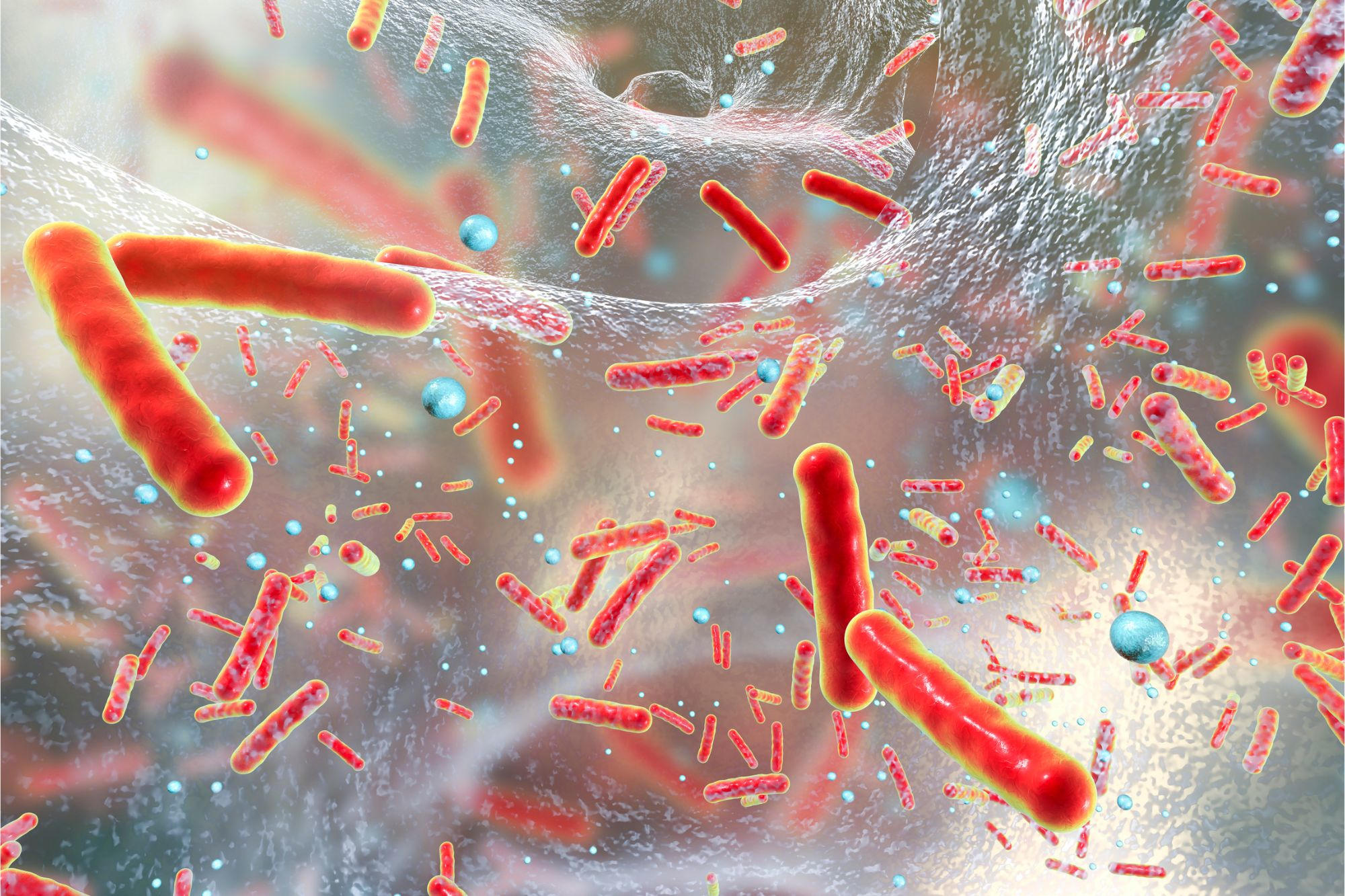
Lund University’s mGPS AI tool traces recent locations based on microbial signatures, aiding forensics and epidemiology by linking bacteria to specific geographic origins.
A research team from Lund University in Sweden has created an AI tool capable of tracking the most recent locations you’ve visited. Unlike a traditional navigation system that helps you reach a destination, this tool pinpoints the geographical origin of microorganisms. This innovation allows bacteria to reveal whether someone recently visited the beach, disembarked at a city center train station, or took a walk through the woods. This opens up new possibilities within medicine, epidemiology, and forensics.
Microorganisms are organisms, such as bacteria, that are invisible to the naked eye. The word microbiome is used to describe all the microorganisms in a particular environment. Establishing the geographical source of a microbiome sample has been a considerable challenge up to now.
However, in a new study, published in the research journal Genome Biology and Evolution, a research team presents the tool Microbiome Geographic Population Structure (mGPS). It is a unique instrument that uses ground-breaking AI technology to localize samples to specific bodies of water, countries, and cities. The researchers discovered that many places have unique bacteria populations, so when you touch a handrail at a train station or bus stop, you pick up bacteria that can then be used to link you back to the exact place.
Tracing Microbial Signatures for Disease, Infection, and Forensics
“In contrast to human DNA, the human microbiome changes constantly when we come into contact with different environments. By tracing where your microorganisms have been recently, we can understand the spread of disease, identify potential sources of infection, and localize the emergence of microbial resistance. This tracing also provides forensic keys that can be used in criminal investigations,” says Eran Elhaik, a biology researcher at Lund University, who led the new study.
To understand how Elhaik’s team can use bacteria to determine whether you have just been to the beach, got off the train in the city center, or taken a walk in the woods, we must first recognize that microbial communities, just like human populations, display particular geographical traces. Some data are global, whereas other data are restricted to specific regions or environments. In their study, the researchers focused on the bacteria that act like microscopic fingerprints.
“We analyzed extensive datasets of microbiome samples from urban environments, soil, and marine ecosystems and trained an AI model to identify the unique proportions of these fingerprints and link them to geographical coordinates. The results turned out to be a very powerful tool that can pinpoint the source site of a microbiome sample with impressive precision,” says Eran Elhaik.
Testing the Tool’s Precision in Urban Environments
According to the researchers, this breakthrough was enabled by an enormous volume of microbiome data from various environments, including 4,135 samples from the public transport systems in 53 cities, 237 soil samples from 18 countries and 131 marine samples from nine bodies of water. The research team succeeded in pinpointing the city source for 92 per cent of the city samples.
In Hongkong, the team pinpointed with 82 percent accuracy the underground station the samples came from. And in New York City, mGPS could distinguish between the microbiome of a kiosk and handrails just one meter away. With increasing microbiome data volumes in the future, Eran Elhaik is optimistic that this is just the beginning of a whole new era in forensics.
“We have only just begun to understand the relationship between microorganisms and the environment. We are now planning to map the microbiome of entire cities, which could be a boost for forensic investigations and let us get to know the organisms that inhabit our streets, gardens, skin, and bodies,” he says.
Reference: “Microbiome Geographic Population Structure (mGPS) Detects Fine-Scale Geography” by Yali Zhang, Leo McCarthy, S Emil Ruff and Eran Elhaik, 07 October 2024, Genome Biology and Evolution.
DOI: 10.1093/gbe/evae209
Never miss a breakthrough: Join the SciTechDaily newsletter.
Follow us on Google and Google News.
2 Comments
Another tool to aid the secret police.
sons of whore