
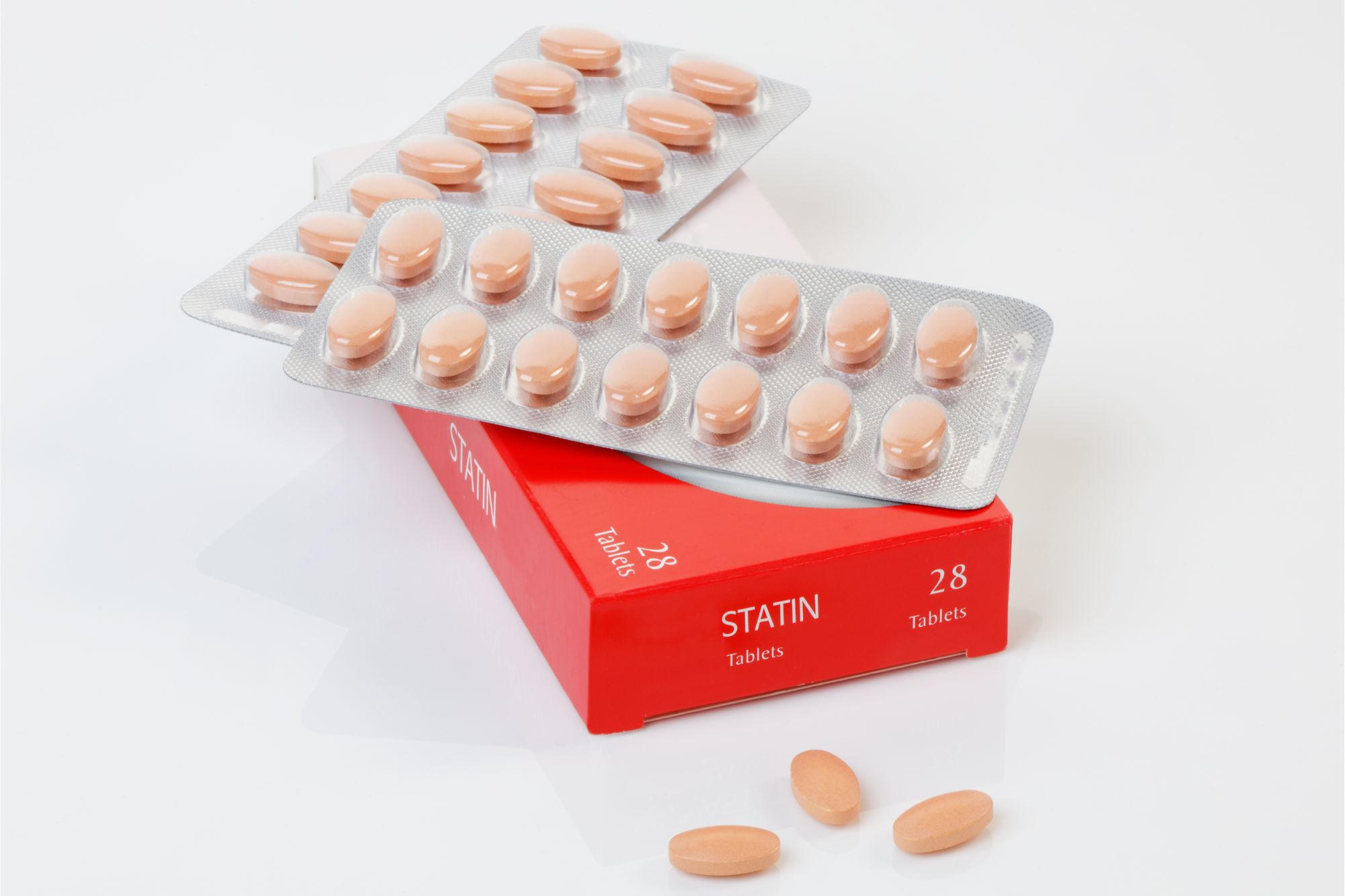
Adopting new PREVENT equations could lead to a significant reduction in statin recommendations, impacting 40% of currently eligible U.S. adults, and highlights the importance of precise risk assessment and patient communication in cholesterol management.
If national guidelines were updated to include a new risk equation, approximately 40% fewer individuals may qualify for cholesterol-lowering statins to prevent heart disease, suggests a study involving researchers from the University of Pittsburgh, Beth Israel Deaconess Medical Center, and University of Michigan. The research, published in JAMA Internal Medicine, explores the implications of broadly implementing the PREVENT equations, introduced by the American Heart Association in November 2023. These equations are intended to refine the tools doctors use to estimate a patient’s 10-year risk of a heart attack or stroke.
At a population level, the number of adults recommended for statins could decrease from 45.4 million to 28.3 million. At the same time, the study showed that most people who would be recommended to take statins are not currently taking them.
“This is an opportunity to refocus our efforts and invest resources in the populations of patients at the highest risk,” said lead author Dr. Timothy Anderson, M.D., M.A.S., a primary care physician at UPMC and health services researcher and assistant professor of medicine at Pitt.
Methodology of the Study
For their analysis, the team used nationally representative data from 3,785 adults, ages 40 to 75, who participated in the National Health and Nutrition Examination Survey from January 2017 to March 2020. The researchers estimated the 10-year risk of atherosclerotic cardiovascular disease (ASCVD) using the Predicting Risk of cardiovascular disease EVENTs (PREVENT) equations and compared the results to risk estimated using the previous tool, known as Pooled Cohort Equations (PCE). The PREVENT equations were developed by the American Heart Association to more accurately represent risk across the current U.S. population, as the PCE equations were based on patient data that were decades old and lacked diversity.
PREVENT also reflects more recent insights into the biology of ASCVD. Current statin use as well as metabolic and kidney diseases are incorporated into the new calculation, while race has been removed from it, reflecting a growing awareness that race is a social construct.
Using PREVENT, the team found that among the study’s entire cohort, the 10-year risk of developing ASCVD was 4%, half as high as the risk calculated by the PCE (8%). The difference was even larger for Black adults (5.1% versus 10.9%) and for adults between the ages of 70 and 75 (10.2% versus 22.8%).
An estimated 4.1 million patients who are currently taking statins would no longer be recommended to take them based on PREVENT. For these patients and their physicians, clear and careful communication is key, said Anderson. “We don’t want people to think they were treated incorrectly in the past. They were treated with the best data we had when the PCE was introduced back in 2013. The data have changed.”
At the same time, it’s important to note that everyone’s risk will inevitably change over time, as well, he added. “For a patient who we now know is at lower risk than we previously thought, if we recommend they stop taking statins, they still could be back to a higher risk five years down the road, for the simple reason that everybody’s risk goes up as we get older.”
Reference: “Atherosclerotic Cardiovascular Disease Risk Estimates Using the Predicting Risk of Cardiovascular Disease Events Equations” by Timothy S. Anderson, Linnea M. Wilson and Jeremy B. Sussman, 10 June 2024, JAMA Internal Medicine.
DOI: 10.1001/jamainternmed.2024.1302
Other authors on the study were Linnea Wilson, M.P.H., of Beth Israel Deaconess Medical Center, and Jeremy B. Sussman, M.D., M.P.H., of University of Michigan, Ann Arbor.
This research was supported by the National Institute on Aging (#K76AG074878).
Never miss a breakthrough: Join the SciTechDaily newsletter.
Follow us on Google and Google News.
7 Comments
“…, while race has been removed from it, reflecting a growing awareness that race is a social construct.”
Statistics don’t support that naive, woke view. The social ideology behind such decisions may end up costing the lives of minorities who have a predisposition for certain diseases. Whether a particular race has predispositions for certain diseases is well established. What is less well understood is why the predispositions exist. However, be that as it may, pretending that race doesn’t correlate can be deadly because those susceptible may be less alert for symptoms. “The road to Hell is paved with good intentions.”
Everything about this study is useless. Read the article carefully and you will see all of the contradictions. When woke ideologies enter into medical research the results are corrupted .The fact is that statins are useless and dangerous. If you want to take a pill every day to lower cholesterol then take one of many natural supplements that have proven to work as well or better. Garlic and bergamot lowered my cholesterol significantly. The pharmaceutical companies have sponsored bogus studies to lie to the public about the facts. More corporate greed at the expense of our health.
Maybe for some but others like myself have had life changing experiences.
Not being able to walk or dress my self since the statins have given me autoimmune disease and attacked all skeletal muscles.
If they cause pain in muscles you would be wise to stop taking them
Statins have been around for decades and the side effects, if any, are minimal. It is a proven fact that they are safe. I tend to trust my cardiologist more than conspiracy theories from social media. This article does not change anything for any sane person. Listen to your cardiologist.
Maybe for some but others like myself have had life changing experiences.
Not being able to walk or dress my self since the statins have given me autoimmune disease and attacked all skeletal muscles.
If they cause pain in muscles you would be wise to stop taking them
If I’m 40 years old, I care about my 40 year risk, not my 10 year risk. Unless you are over 70, 10 year risk is extremely short sighted. My dad has always had marginally high LDL (between 100 and 130). Doctors never prescribed him statins because his 10 year risk was low. Now at age 74 he needs open heart surgery to clear plaques in the artery going to his heart. Meanwhile my mom had LDL above 250 in her 40s and was prescribed statins for decades keeping her LDL around 70-80 and her heart is perfectly fine.
If race is just a social construct, why is it hereditary?