
Close Menu
    Facebook X (Twitter) Instagram
    SciTechDaily
    • Biology
    • Chemistry
    • Earth
    • Health
    • Physics
    • Science
    • Space
    • Technology
    Facebook X (Twitter) Pinterest YouTube RSS
    SciTechDaily
    Home»Science»New Evidence of Extreme Climate Change Thousands of Years Ago Revealed by Ancient Ostrich Eggshell
    Science

    New Evidence of Extreme Climate Change Thousands of Years Ago Revealed by Ancient Ostrich Eggshell

    By University of ExeterJuly 10, 2021No Comments3 Mins Read
    Facebook Twitter Pinterest Telegram LinkedIn WhatsApp Email Reddit
    Share
    Facebook Twitter LinkedIn Pinterest Telegram Email Reddit
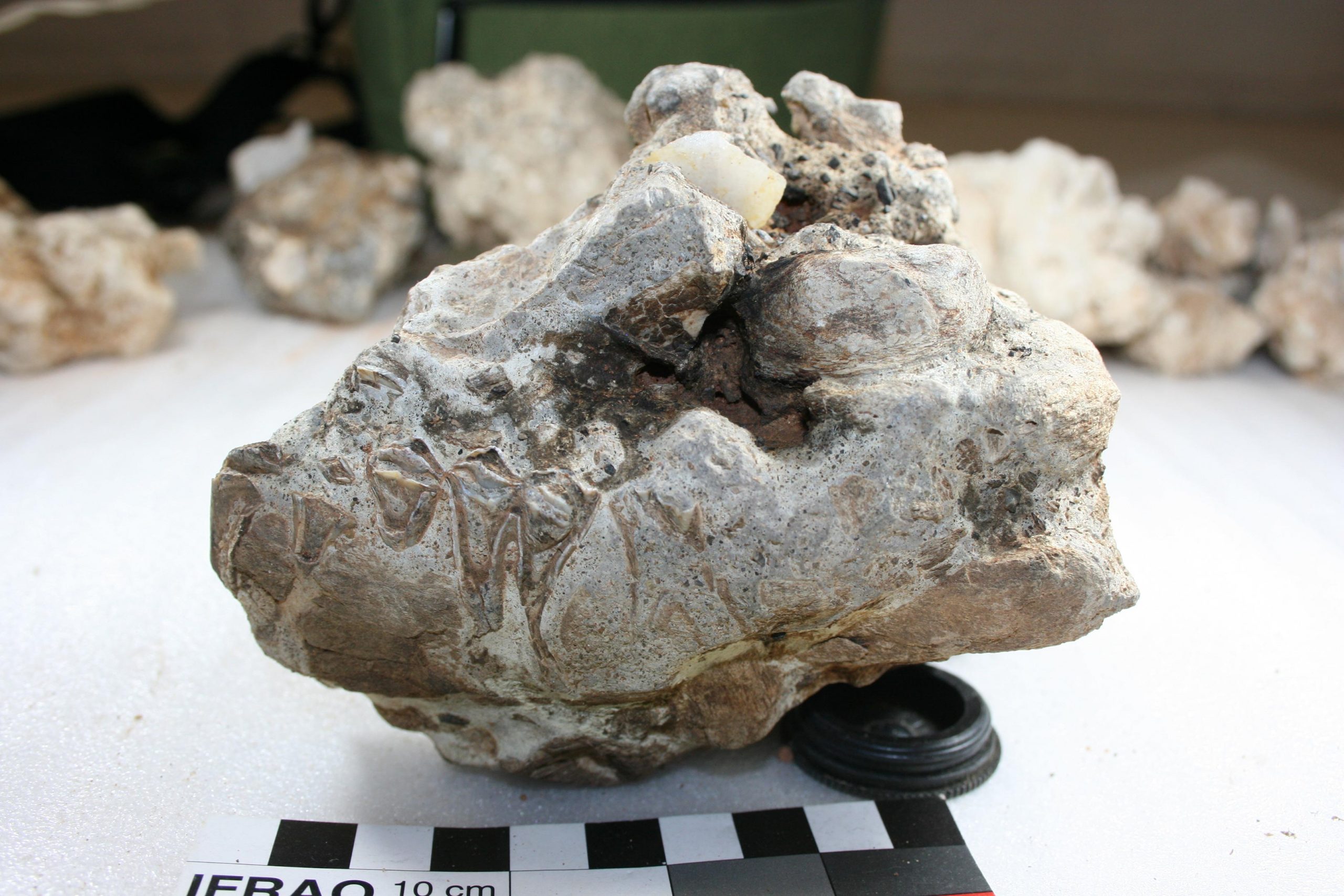
    Mandible of Small Antelope in Calcrete
    Mandible of small antelope in calcrete. Credit: Philip Kiberd

    Evidence from an ancient eggshell has revealed important new information about the extreme climate change faced by human early ancestors.

    The research shows parts of the interior of South Africa that today are dry and sparsely populated, were once wetland and grassland 250,000 to 350,000 years ago, at a key time in human evolution.

    Philip Kiberd and Dr. Alex Pryor, from the University of Exeter, studied isotopes and the amino acid from ostrich eggshell fragments excavated at the early middle Stone Age site of Bundu Farm, in the upper Karoo region of the Northern Cape. It is one of the very few archaeological sites dated to 250,000 to 350,000 in southern Africa, a time period associated with the earliest appearance of communities with the genetic signatures of Homo sapiens.

    This new research supports other evidence, from fossil animal bones, that past communities in the region lived among grazing herds of wildebeest, zebra, small antelope, hippos, baboons, and extinct species of Megalotragus priscus and Equus capensis, and hunted these alongside other carnivores, hyena and lions.
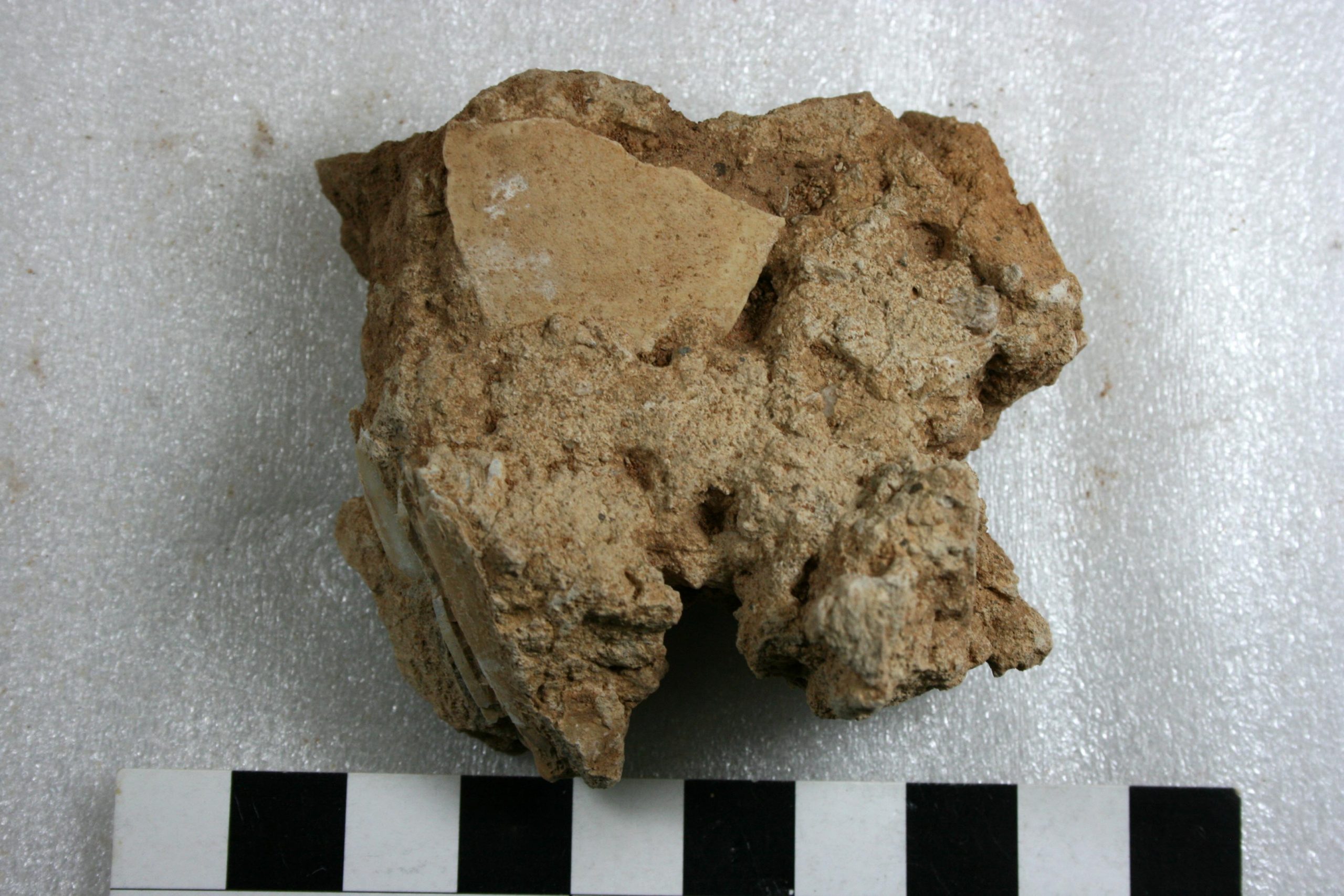
    Ostrich Eggshell in Calcrete
    Ostrich eggshell in calcrete. Credit: Philip Kiberd

    Climate Shifts That Drove Evolutionary Change

    After this period of equitable climate and environment the eggshell evidence — and previous finds from the site — suggests that 200,000 years ago cooler and wetter climates gave way to increasing aridity. A process of changing wet and dry climates is recognized as driving the turnover and evolution of species, including Homo sapiens.

    The study, published in the South African Archaeological Bulletin, shows that extracting isotopic data from ostrich eggshells, which are commonly found on archaeological sites in southern Africa, is a viable option for open-air sites greater than 200,000 years old. The technique which involves grinding a small part of the eggshell, to a powder allows experts to analyze and date the shell, which in turn gives a fix on the climate and environment in the past.

    Ostrich Eggshells as Climate Archives

    Using eggshell to investigate past climates is possible as ostriches eat the freshest leaves of shrubs and grasses available in their environment, meaning eggshell composition reflects their diet. As eggs are laid in the breeding season across a short window, the information found in ostrich eggshell provides a picture of the prevailing environment and climate for a precise period in time.

    Partial Skull of Small Antelope
    Partial skull of small antelope. Credit: Philip Kiberd

    Bundu Farm, where the eggshell was recovered is a remote farm 50km from the nearest small town, sitting within a dry semi-desert environment, which supports a small flock of sheep. The site was first excavated in the late 1990s the site with material stored at the McGregor Museum, Kimberley (MMK). The study helps fill a gap in our knowledge of this part of South Africa and firmly puts the Bundu Farm site on the map.

    Philip Kiberd, who led the study, said: “This part of South Africa is now extremely arid, but thousands of years ago it would have been an Eden-like landscape with lakes and rivers and abundant species of flora and fauna. Our analysis of the ostrich eggshell helps us to better understand the environments in which our ancestors were evolving and provides an important context in which to interpret the behaviors and adaptations of people in the past and how this ultimately led to the evolution of our species.”

    Never miss a breakthrough: Join the SciTechDaily newsletter.
    Follow us on Google and Google News.

    Archaeology Climate Change Geology Popular University of Exeter
    Share. Facebook Twitter Pinterest LinkedIn Email Reddit

    Related Articles

    It Was NOT Climate Change That Caused Neanderthal Extinction

    Mysterious Bone Circles Built by Humans From the Remains of Mammoths Reveal Clues About Ice Age

    Tungurahua Volcano “The Black Giant” Showing Warning Signs of “Potential Collapse”

    Controversial Theory on Extinction of Ice-Age Animals Supported by New Evidence

    Initial Pulse of Siberian Traps Sills Triggered End-Permian Extinction

    New Study Traces the Impact of Volcanic Activity on Climate Change

    The Stonehenge Hidden Landscapes Project Reveals a Major New Prehistoric Stone Monument

    Prolonged Drought Contributed to Maya Civilization’s Collapse

    Humans Implicated in Africa’s Deforestation 3,000 Years Ago

    Leave A Reply Cancel Reply

    • Facebook
    • Twitter
    • Pinterest
    • YouTube

    Don't Miss a Discovery

    Subscribe for the Latest in Science & Tech!

    Trending News

    The Universe Is Expanding Too Fast and Scientists Can’t Explain Why

    “Like Liquid Metal”: Scientists Create Strange Shape-Shifting Material

    Early Warning Signals of Esophageal Cancer May Be Hiding in Plain Sight

    Common Blood Pressure Drug Shows Surprising Power Against Deadly Antibiotic-Resistant Superbug

    Scientists Uncover Dangerous Connection Between Serotonin and Heart Valve Disease

    Scientists Discover a “Protector” Protein That Could Help Reverse Hair Loss

    Bone-Strengthening Discovery Could Reverse Osteoporosis

    Scientists Uncover Hidden Trigger Behind Stem Cell Aging

    Follow SciTechDaily
    • Facebook
    • Twitter
    • YouTube
    • Pinterest
    • Newsletter
    • RSS
    SciTech News
    • Biology News
    • Chemistry News
    • Earth News
    • Health News
    • Physics News
    • Science News
    • Space News
    • Technology News
    Recent Posts
    • A Common Diabetes Drug May Hold the Key to Stopping HIV From Coming Back
    • Ancient “Syphilis-Like” Disease in Vietnam Challenges Key Scientific Assumptions
    • Drinking Alcohol To Cope in Your 20s Could Damage Your Brain for Life
    • Scientists Crack Alfalfa’s Chromosome Mystery After Decades of Debate
    • Ancient Ant-Plant Alliance Collapses As Predatory Wasps Move In
    Copyright © 1998 - 2026 SciTechDaily. All Rights Reserved.
    • Science News
    • About
    • Contact
    • Editorial Board
    • Privacy Policy
    • Terms of Use

    Type above and press Enter to search. Press Esc to cancel.