
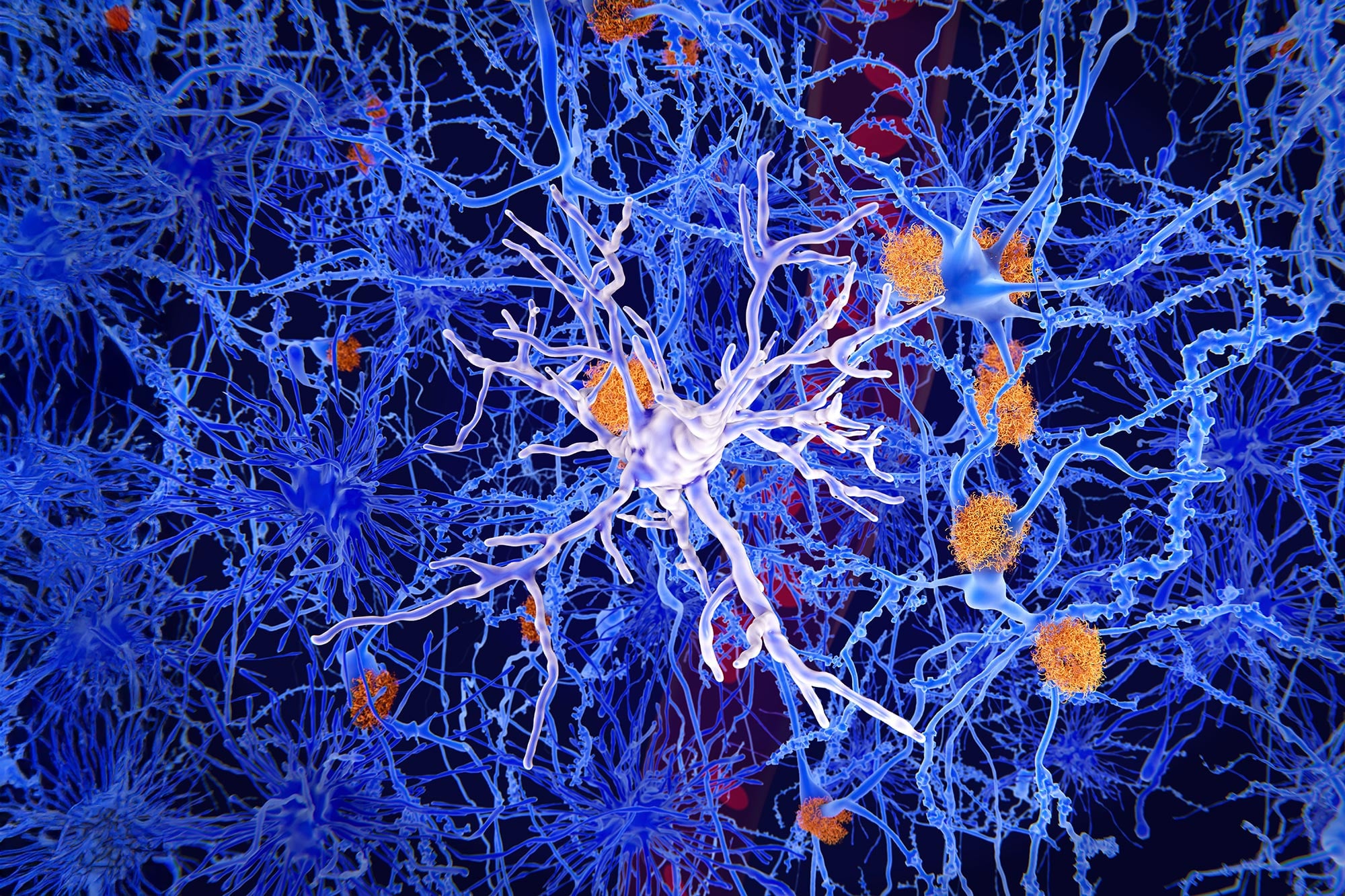
Scientists have developed an experimental molecule that helps the brain’s immune cells fight Alzheimer’s again, reducing toxic plaques and improving memory in animal studies.
Scientists have identified an experimental molecule that appears to restore some of the brain’s natural defenses against Alzheimer’s disease by helping immune cells once again contain the toxic protein deposits linked to the condition. The findings, published in the journal Cell Death and Disease, showed that the molecule, called OLE, reduced harmful beta-amyloid plaques and improved memory in animal studies.
The research was led by José Vicente Sánchez Mut of the Institute for Neurosciences (IN), a joint center of the Spanish National Research Council (CSIC) and the Miguel Hernández University of Elche (UMH), in collaboration with Johannes Gräff of the École Polytechnique Fédérale de Lausanne (EPFL).
Restoring the Brain’s Natural Defenses
One of the hallmarks of Alzheimer’s disease is the buildup of beta-amyloid plaques in the brain. Normally, specialized immune cells called microglia help clear away these toxic protein deposits. But as Alzheimer’s progresses, microglia gradually lose much of their ability to protect the brain, allowing plaques to accumulate and contribute to damage of nearby neurons.
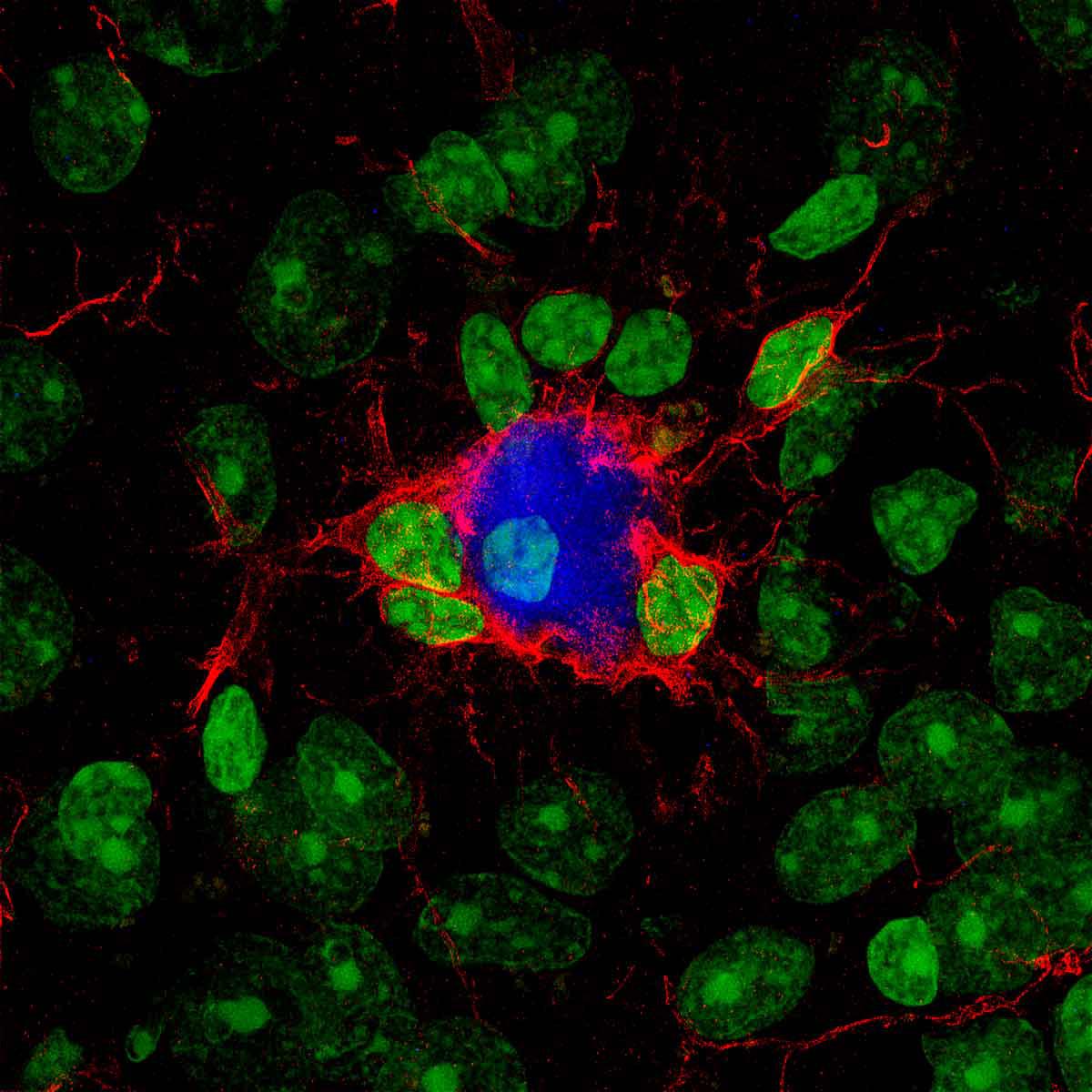
The researchers discovered that OLE, a molecule derived from the PM20D1 gene, can help shift these immune cells back into a more protective state. Instead of becoming dysfunctional, treated microglia moved toward beta-amyloid plaques and surrounded them, creating a protective barrier that limited the plaques’ contact with neurons. This reduced both the size of the plaques and their harmful effects on brain tissue.
“One of the most significant findings is that we have identified a molecule capable of restoring microglia’s protective function,” explains Sánchez Mut. “In Alzheimer’s disease, these cells become progressively impaired. Our results suggest that this process can be reversed, pointing to new therapeutic and research avenues to counteract the disease,” adds the researcher, who leads the Functional Epi-Genomics of Aging and Alzheimer’s Disease laboratory at the IN CSIC-UMH.
OLE Improved Memory in Animal Studies
To evaluate the effects of OLE, the team tested the molecule in several experimental models.
The first experiments used genetically modified worms (C. elegans) that produce beta-amyloid, allowing researchers to quickly study the protein’s toxic effects. Worms treated with OLE accumulated fewer protein aggregates and showed improved movement, suggesting the molecule reduced disease-related damage.
The researchers also treated mouse models of Alzheimer’s disease with OLE for three months. After treatment, the mice performed better on memory tests and had fewer beta-amyloid plaques in their brains.
Brain Immune Cells Responded Most Strongly
To better understand how OLE works, the researchers examined the activity of thousands of individual cells in the brain.
Their analysis revealed that microglia were the cells most strongly affected by the treatment. After receiving OLE, these immune cells activated pathways involved in clearing beta-amyloid and regained their ability to migrate toward plaques and surround them.
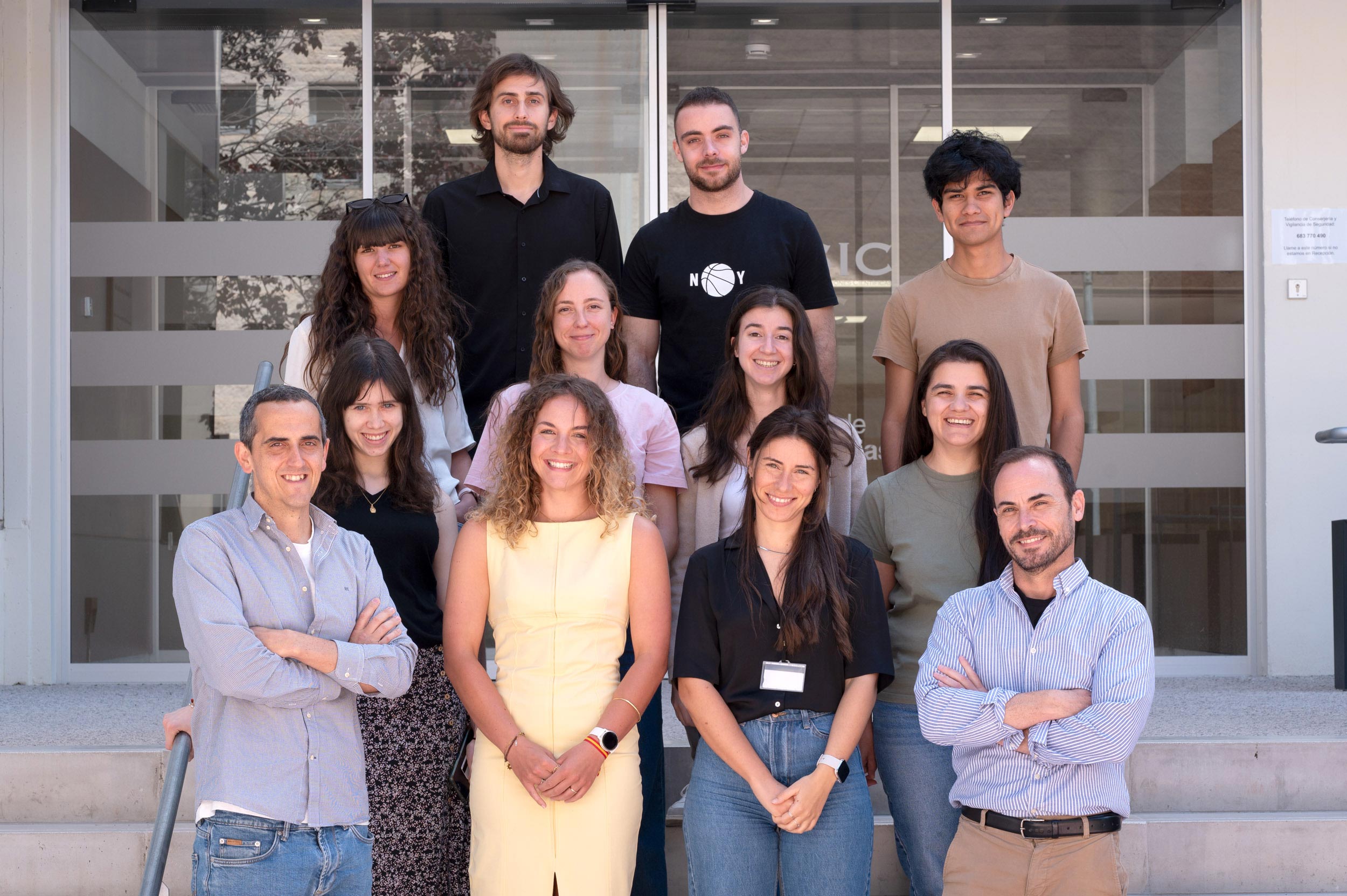
“Single-cell analysis allowed us to determine that microglia were the cells that responded most strongly to the treatment,” says Victoria Pozzi, first author of the study. “From there, we observed that the compound helped these cells move toward beta-amyloid plaques and better contain the damage associated with the disease,” adds the researcher.
Additional laboratory experiments supported these findings. In cell cultures, OLE-treated microglia became more effective at moving toward beta-amyloid deposits and promoting their removal. In separate neuronal cell cultures exposed to Alzheimer’s like stress, the treatment also increased neuron survival, suggesting the molecule may directly protect nerve cells as well.
Potential Path Toward Future Alzheimer’s Treatments
The researchers say the findings highlight OLE’s potential as the basis for future Alzheimer’s therapies. The work is protected by two European patents, including one owned by the CSIC, reflecting its possible translational and therapeutic value.
Reference: “The PM20D1-OLE pathway induces microglia rewiring to ameliorate Alzheimer disease” by Victoria Pozzi-Ruiz, Aida Giner de Gracia, Liliane Glauser, Mario Romani, Fatima Gunter-Rahman, Alejandro González-Ramón, Mahmood Haj-Yahya, Rajasekhar Kolla, Allison M. Burns, Hilal A. Lashuel, Johan Auwerx, Johannes Gräff and Jose V. Sanchez-Mut, 27 April 2026, Cell Death & Disease.
DOI: 10.1038/s41419-026-08791-1
The study was supported by the Dementia Research Switzerland – Synapsis Foundation (Switzerland), the Pasqual Maragall Researchers Programme (PMRP) of the Pasqual Maragall Foundation, the Spanish Ministry of Science, Innovation and Universities, the Severo Ochoa Centres of Excellence programme of the State Research Agency (AEI), the Prometeo program of the Generalitat Valenciana, the European Regional Development Fund (ERDF), the CSIC Interdisciplinary Thematic Platform PTI+ NEURO-AGING, the Swiss National Science Foundation, the École Polytechnique Fédérale de Lausanne (EPFL), the European Research Council (ERC), the National Research Foundation of Korea (NRF), and the European Social Fund (ESF+).
Never miss a breakthrough: Join the SciTechDaily newsletter.
Follow us on Google and Google News.
6 Comments
Hope for a cure soon as I have Alzheimer’s disease on kisunla treatment but not a cure hopefully I will see a cure before it is fatal.
I hope you get a cure soon too. I hope we can stamp out all neurodegenerative diseases in the immediate future. Dementia runs pretty strong in my family, on my mom’s side, as do various types of heart disease & diabetes. I personally have spina bifida, accompanied by intervertebral disc disease. I used to be an extremely fit athlete, mainly a surfer & skateboarder at the upper levels of both sports..at 24yrs old I suffered a twitch that knocked my spine out of alignment & through MRI’s & various others tests, it was found that my lipoma in the lumbo thoracic region grew back to pre-surgical (at 9yrs old) size of 12cm X 12cm..not terminal or anything, but severely life altering & almost life ending due to depression & marital strife. Again, I hope they will rush this “treatment” out so that people like yourself can be helped. Get ahold of them, they may be looking for next level subjects for research/treatment advances. From what’s in this article, they should be about ready for human trials.
I was diagnosed with early stage Alzheimers a year ago. During all the testing they found micro bleeds throughout my brain and an aneurysm. Due to the brain bleeds I can’t get the infusions. I am now on the Rivastigmine patch which is supposed to slow the cognitive decline. I just had my yearly cognitive test and will get my results on August 27th. I also had 2 aunts on my Mothers and Fathers side of the family who had Alzheimers. They were all in their late 80’s when first symptoms started and in their 90’s when they passed away. I am the youngest in this generation 71 and the first to be diagnosed. My sister is 77 and was just diagnosed with early stage dementia. Lucky me. I pray for a cure. Would be interested in any information on new treatments.
Praying for you.
I hope you get a cure soon too. I hope we can stamp out all neurodegenerative diseases in the immediate future. Dementia runs pretty strong in my family, on my mom’s side, as do various types of heart disease & diabetes. I personally have spina bifida, accompanied by intervertebral disc disease. I used to be an extremely fit athlete, mainly a surfer & skateboarder at the upper levels of both sports..at 24yrs old I suffered a twitch that knocked my spine out of alignment & through MRI’s & various others tests, it was found that my lipoma in the lumbo thoracic region grew back to pre-surgical (at 9yrs old) size of 12cm X 12cm..not terminal or anything, but severely life altering & almost life ending due to depression & marital strife. Again, I hope they will rush this “treatment” out so that people like yourself can be helped. Get ahold of them, they may be looking for next level subjects for research/treatment advances. From what’s in this article, they should be about ready for human trials.
Will this clear up any oligomers amyloid-β or just prevent the build up from occurring?