
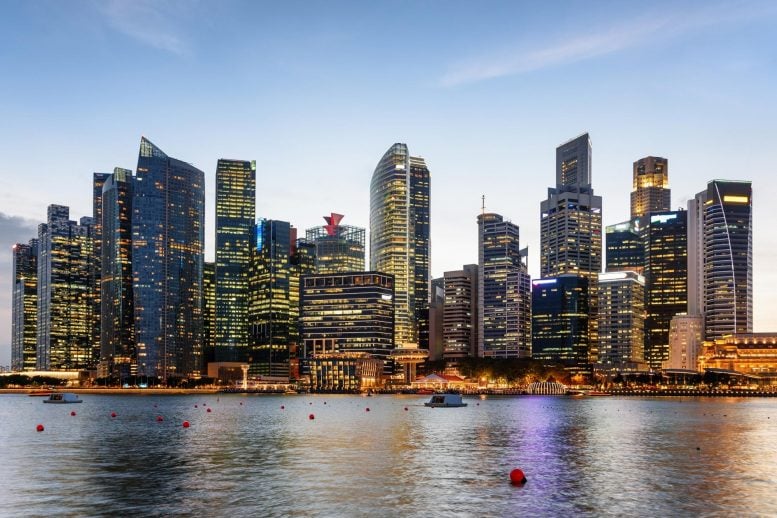
Nation’s ability to predict sea-level rise boosted with record going back to 10,000 years ago.
Climate scientists at the Nanyang Technological University, Singapore (NTU, Singapore) have extended the known record of Singapore’s sea-level to almost 10,000 years ago, providing a more robust dataset to aid future predictions of sea-level rise.
One of the main challenges in researching climate change is to reconstruct its history over thousands of years. To have a better sense of the potential causes and effects of future changes, scientists need to learn from and understand the past.
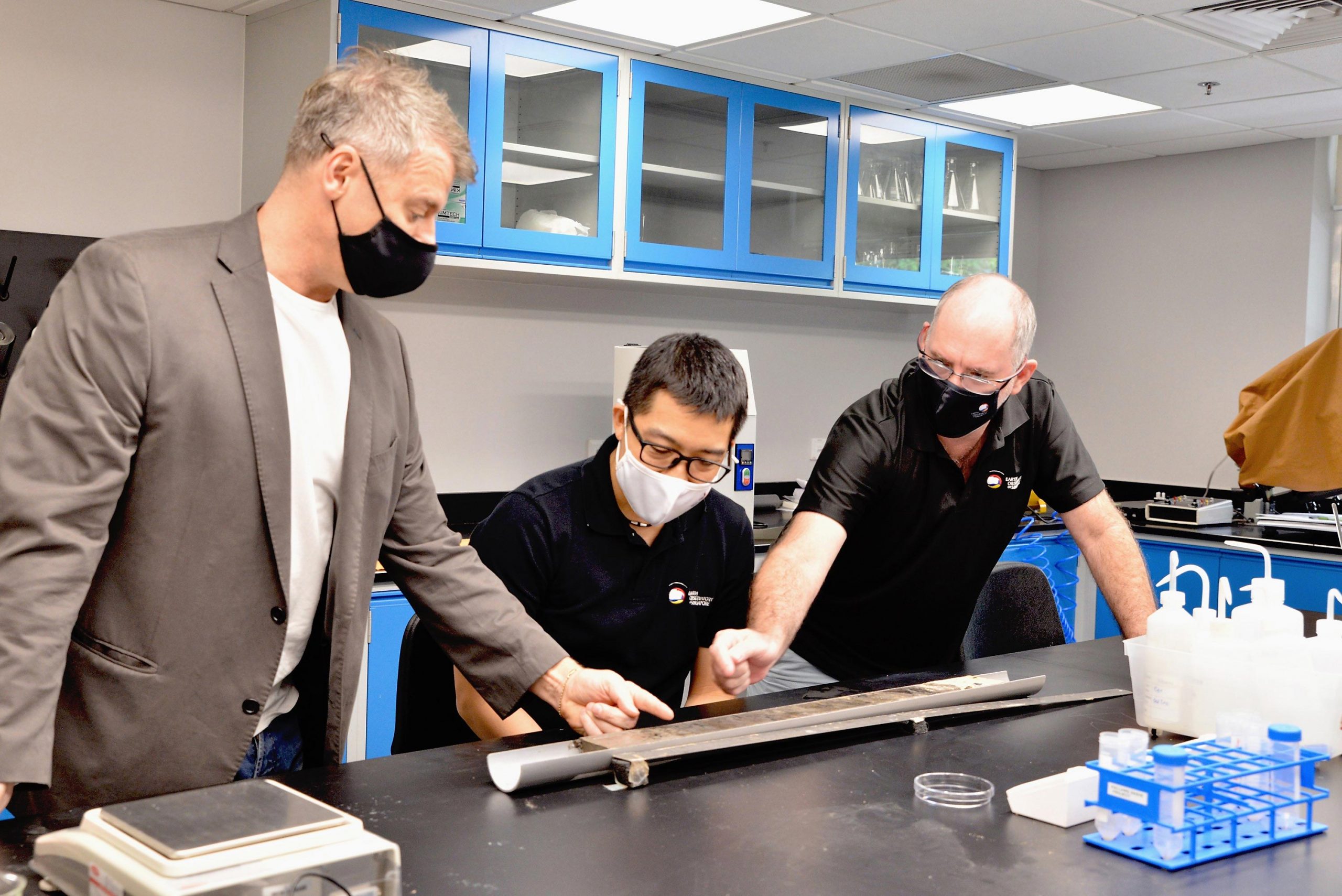
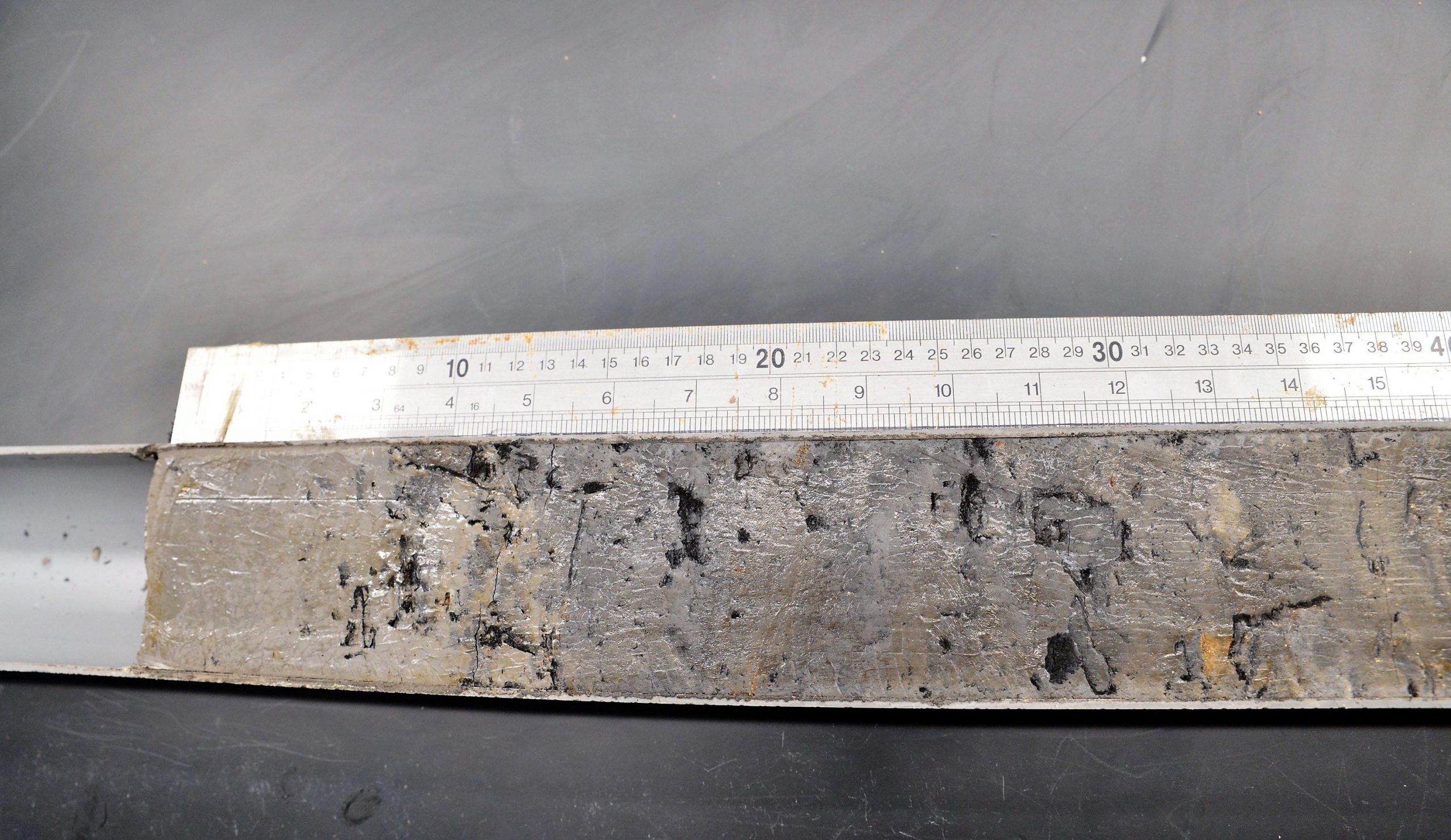
Extracting ancient sediments from a depth of up to 40 m (131 ft) underground at a site at Singapore’s Marina South, an international team led by NTU researchers put the samples through rigorous laboratory methods (e.g., identifying microfossils such as foraminifera) and statistical analysis to obtain data to reconstruct Singapore’s sea-level history.
For climate scientists, the further the sea-level record goes back in time, the clearer the picture can be for future predictions. The transition at the beginning of the Holocene (10,000-7,000 years ago) represented the last major episode of natural global warming in Earth’s history, when melting ice sheets and warming oceans led to a 20 m (66 ft) rise in sea level. For the last 3,000 years, the sea level in Singapore had been stable, before the recent acceleration in the 20th century due to climate change.
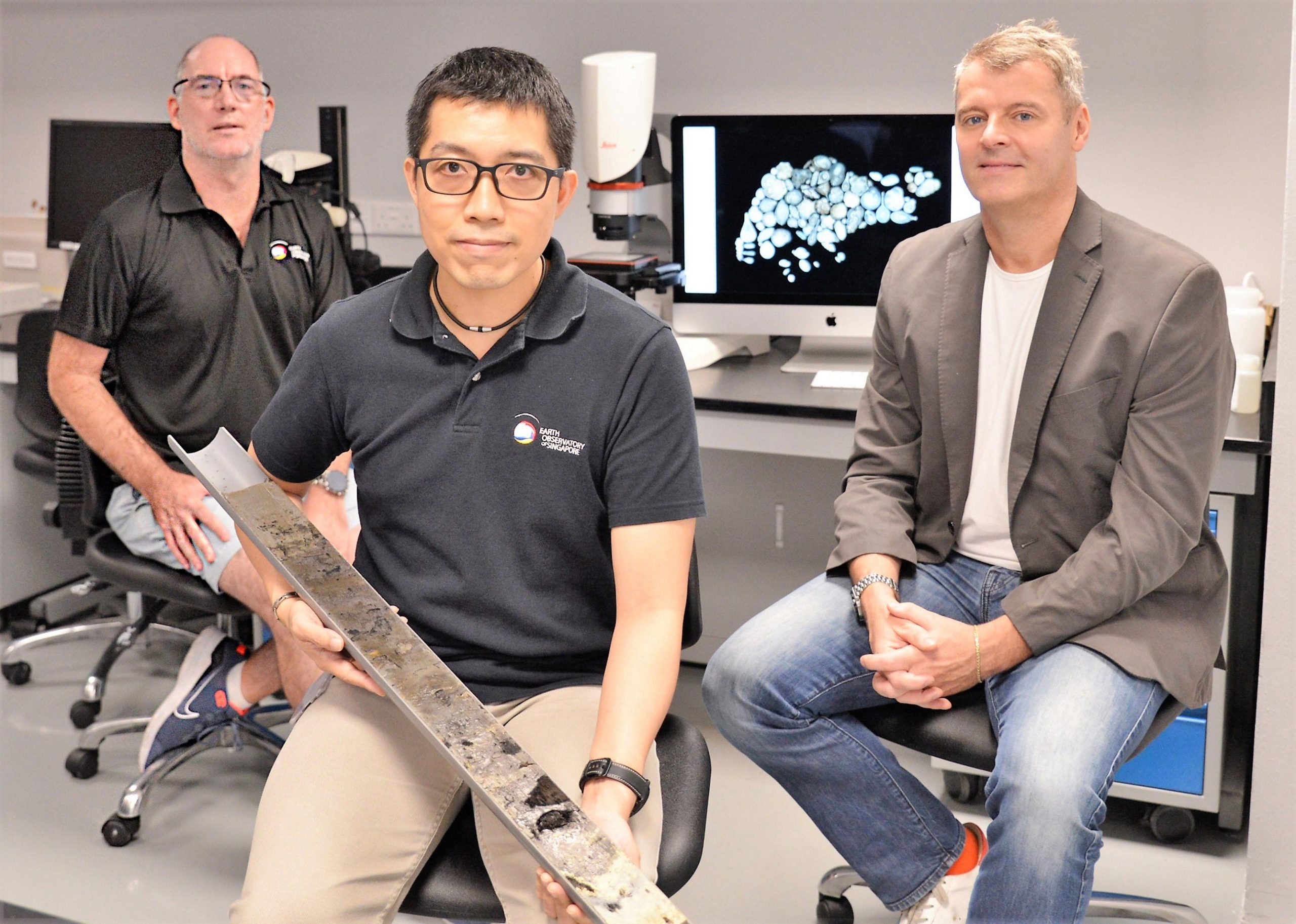
Lead author, Dr. Stephen Chua, who completed the study as part of his doctoral work at the Earth Observatory of Singapore (EOS) and Asian School of the Environment (ASE) at NTU Singapore said, “By dating the Singapore sea-level record to 10,000 years ago, we retrieved crucial new information from the early Holocene period. This is a period that is characterized by rapid sea-level rise yet remains poorly understood – until now.”
“This more refined sea-level record also has wider implications. For instance, it would lead to more robust and accurate local projection of sea-level rise, offering a strategic guide for Singapore as it moves to adapt to climate change.”
Professor Maureen Raymo, Co-Founding Dean of the Columbia Climate School at Columbia University, who was not involved in the study, said: “This is the type of crucial information needed to effectively plan adaptation measures in the face of ongoing sea-level rise due to global warming. Our past does inform our future.”
Why Marina South Site for Investigations?
Developing an accurate ancient sea-level record required sediment extraction from an ‘ideal’ site where deposits such as marine mud and mangrove peats are present.
To pick the best possible coring site for accurate results, researchers looked through thousands of available borehole logs – records of holes that have been drilled into the ground for infrastructure projects.
Associate Professor Adam Switzer who leads the Coastal Lab at ASE and EOS and who was Dr Chua’s supervisor, said, “Finding the right place to drill was a huge effort. Stephen spent well over a year going over old borehole information from a variety of construction efforts over the last 30 years just to find records that might be suitable. As a result, our understanding of the geology of the whole area has also dramatically improved.”
Findings Useful for Singapore’s Coastal Defense Plan Against Rising Sea Levels
The study, published in the peer-reviewed journal The Holocene on June 4, 2021, also found the first conclusive evidence that mangroves only existed in the Marina South area for around 300 years before succumbing to flooding associated with rising sea level at the time.
At a depth of 20 m below modern sea level, researchers found abundant mangrove pollen indicating that a mangrove shoreline existed in southern Singapore almost 10,000 years ago. The NTU findings reveal that sea-level rise during that time was as high as 10 – 15 mm per year which likely led to the mangrove’s demise.
The findings provide Singapore with useful insights for current and future adaption methods as the island nation looks to go beyond engineering solutions and to incorporate natural methods to safeguard the country’s coastlines.
Despite its adaptability and effectiveness as a coastal defense, the study highlights the limitations of mangroves in the event of rapid sea-level rise. This confirms an earlier study co-authored by NTU showing that mangroves will not survive if sea-level rise goes beyond 7 mm per year under a high carbon emissions scenario.
Co-author of the study, Professor Benjamin Horton, Director of EOS, said, “Sea-level rise is a potentially disastrous outcome of climate change, as rising temperatures melt ice sheets and warm ocean waters. Scenarios of future rise are dependent upon understanding the response of sea level to climate changes. Accurate estimates of past sea-level variability in Singapore provide a context for such projections.”
Providing an independent comment on the research, Professor Philip Gibbard, a Quaternary geologist from the Scott Polar Research Institute at the University of Cambridge, underscored the importance of records from localities distant from the glaciated regions such as Singapore.
“They offer a model of the process of sea-level change uncomplicated by factors associated with deglaciation, meltwater discharge and more. This important systematic contribution from Singapore and the region provides a valuable record that spans the post-glacial Holocene period, thus allowing a general pattern of sea-level change in the region to be established. This record can then be further refined as more studies become available in the future.”
Reference: “A new Holocene sea-level record for Singapore” by Stephen Chua, Adam D Switzer, Tanghua Li, Huixian Chen, Margaret Christie, Timothy A Shaw, Nicole S Khan, Michael I Bird and Benjamin P Horton, 4 June 2021, The Holocene.
DOI: 10.1177/09596836211019096
Never miss a breakthrough: Join the SciTechDaily newsletter.
Follow us on Google and Google News.
1 Comment
That is ok . Thanks