
Close Menu
    Facebook X (Twitter) Instagram
    SciTechDaily
    • Biology
    • Chemistry
    • Earth
    • Health
    • Physics
    • Science
    • Space
    • Technology
    Facebook X (Twitter) Pinterest YouTube RSS
    SciTechDaily
    Home»Earth»New Research Exposes “Astonishing” Glacier Loss in Global Warming Hotspot
    Earth

    New Research Exposes “Astonishing” Glacier Loss in Global Warming Hotspot

    By University of BristolJanuary 23, 20253 Comments3 Mins Read
    Facebook Twitter Pinterest Telegram LinkedIn WhatsApp Email Reddit
    Share
    Facebook Twitter LinkedIn Pinterest Telegram Email Reddit
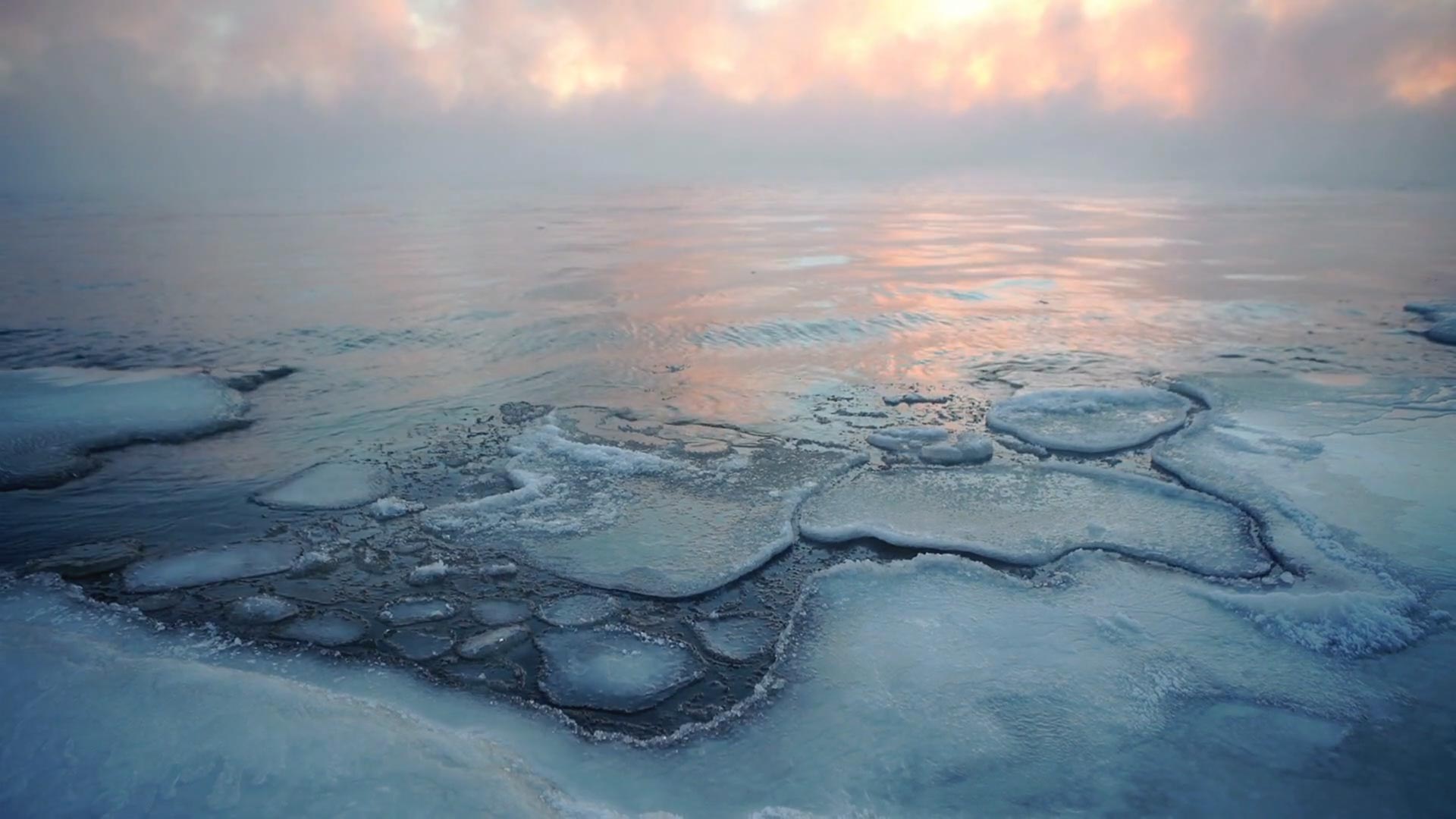
    Melting Ice Climate Change
    A University of Bristol-led study published in Nature Communications reveals that 91% of Svalbard’s glaciers have significantly shrunk, losing over 800 km² of ice since 1985 due to rapid warming. Using AI, researchers found that glacier calving rates doubled in 2016, highlighting the accelerating impact of climate change in this Arctic hotspot.

    A University of Bristol study found that 91% of Svalbard’s glaciers have significantly shrunk since 1985, losing over 800 km².

    A recent study has highlighted the dramatic shrinkage of glaciers in a global warming hotspot over the past 40 years, with the most significant losses occurring in recent years.

    Conducted by researchers at the University of Bristol and published in Nature Communications, the study reveals that 91% of glaciers in Svalbard, a Norwegian Arctic archipelago, have experienced substantial retreat. Since 1985, the glaciers have collectively lost over 800 square kilometers of ice at their margins.

    The study also discovered that 62% of the glaciers display seasonal cycles of calving – when large chunks of ice break away due to higher ocean and air temperatures.

    Glacier Front Retreat Rates Between 1985 and 2023
    This figure shows the glacier front retreat rates between 1985 and 2023. The larger darker red circles indicate areas of greatest glacier loss. Credit: University of Bristol

    Lead author Dr. Tian Li, Senior Research Associate at the University’s Glaciology Centre, said: “The scale of glacier retreats over the past few decades is astonishing, almost covering the entire Svalbard. This highlights the vulnerability of glaciers to climate change, especially in Svalbard, a region experiencing rapid warming up to seven times faster than the global average.”

    AI-Powered Analysis Unveils Detailed Patterns of Glacier Loss

    The research team deployed Artificial Intelligence (AI) to quickly identify glacier patterns across large areas. Using a novel AI model, they analyzed millions of satellite images capturing the end positions of glaciers across the entire Svalbard.

    The findings provide an unprecedented level of detail into the scale and nature of glacier loss in this region. The biggest spike in glacier retreats was detected in 2016, when the calving rates were double the average between 2010 and 2015, in response to extreme warming events.

    “This was likely caused by a large-scale weather pattern called atmospheric blocking that can influence atmospheric pressures,” Dr. Li said.

    “With the increasing frequency of atmospheric blocking and ongoing regional warming, future retreats of glaciers are expected to accelerate, resulting in greater glacier mass loss. This would change the ocean circulation and marine life environments in the Arctic.”

    Svalbard is one of the fastest-warming places on Earth. The low altitude of the archipelago’s ice fields and geographical location in the high North Atlantic make it especially sensitive to climate change.

    Co-author Jonathan Bamber, Professor of Glaciology at the University of Bristol, said: “Glacier calving is a poorly modeled and understood process that plays a crucial role in the health of a glacier. Our study provides valuable insights into what controls calving and how it responds to climate forcing in an area at the frontline of global warming.”

    Reference: “Pervasive glacier retreats across Svalbard from 1985 to 2023” by Tian Li, Stefan Hofer, Geir Moholdt, Adam Igneczi, Konrad Heidler, Xiao Xiang Zhu and Jonathan Bamber, 15 January 2025, Nature Communications.
    DOI: 10.1038/s41467-025-55948-1

    Never miss a breakthrough: Join the SciTechDaily newsletter.
    Follow us on Google and Google News.

    Artificial Intelligence Climate Change Glacier Global Warming Ice Melt University of Bristol
    Share. Facebook Twitter Pinterest LinkedIn Email Reddit

    Related Articles

    Scientists Discover Alaska Glaciers Are Melting Weeks Longer Than Expected

    Space Lasers Reveal a 30-Year Secret About Our Rising Oceans

    Groundbreaking New Data Unveils Secrets of Arctic Glacier Loss

    Chilling Forecast: Alps’ Ice To Shrink 34% by 2050, Even if Global Warming Were To Completely Stop

    Unprecedented Retreat – Once Stable Glacier Now Rapidly Receding at an Alarming Rate

    Fossil Fuel Emissions, Organic Carbon and Alaska’s Glaciers

    Research Shows Roughly 150 Billion Tons of Ice Lost Annually

    Criegee Intermediate Reactions Detected and Measured by Sandia Researchers

    Criegee Biradicals May Cool Planet and Offset Global Warming

    3 Comments

    1. Clyde Spencer on January 23, 2025 10:24 am

      “A University of Bristol study found that 91% of Svalbard’s glaciers have significantly shrunk since 1985, losing over 800 km².”

      How much have they shrunk in the last 12,000 years?

      Reply
    2. Rob on January 23, 2025 7:59 pm

      My guess; probably as much as those in NZ’s Southern Alps. I don’ tknow much about the Patagonian glaciers, but…………..

      Reply
      • Clyde Spencer on January 26, 2025 8:20 am

        My point was that there has been a huge loss in glacial ice throughout the world, starting well before humans were contributing CO2. One needs to explain how and why the initial pulse of melting started (probably Milankovitch cycles) and what happened (if anything) to the effect after the start of the Industrial Revolution. That is, recent melting could still be driven by things other than CO2, which would just be a spurious correlation (coincidence). Looking at the seasonal ramp-up phase of atmospheric CO2 shows clearly that El Nino warming increases the slope and peak of the seasonal increase. That means, one should also expect increasing atmospheric CO2 if some other driver is warming the whole world.

        Reply
    Leave A Reply Cancel Reply

    • Facebook
    • Twitter
    • Pinterest
    • YouTube

    Don't Miss a Discovery

    Subscribe for the Latest in Science & Tech!

    Trending News

    Your Blood Pressure Reading Could Be Wrong Because of One Simple Mistake

    Astronomers Stunned by Ancient Galaxy With No Spin

    Physicists May Be on the Verge of Discovering “New Physics” at CERN

    Scientists Solve 320-Million-Year Mystery of Reptile Skin Armor

    Scientists Say This Daily Walking Habit May Be the Secret to Keeping Weight Off After Dieting

    New Therapy Rewires the Brain To Restore Joy in Depression Patients

    Giant Squid Detected off Western Australia in Stunning Deep-Sea Discovery

    Popular Sugar-Free Sweetener Linked to Liver Disease, Study Warns

    Follow SciTechDaily
    • Facebook
    • Twitter
    • YouTube
    • Pinterest
    • Newsletter
    • RSS
    SciTech News
    • Biology News
    • Chemistry News
    • Earth News
    • Health News
    • Physics News
    • Science News
    • Space News
    • Technology News
    Recent Posts
    • Scientists Revive Ancient Chemistry Trick To Engineer Next-Generation Glass
    • Scientists Use AI To Supercharge Ultrafast Laser Simulations by More Than 250x
    • Scientists Just Found a Surprising Way To Destroy “Forever Chemicals”
    • Popular Supplement Ingredient Linked to Shorter Lifespan in Men
    • Scientists May Have Found a Way To Repair Nerve Damage in Multiple Sclerosis
    Copyright © 1998 - 2026 SciTechDaily. All Rights Reserved.
    • Science News
    • About
    • Contact
    • Editorial Board
    • Privacy Policy
    • Terms of Use

    Type above and press Enter to search. Press Esc to cancel.