
Close Menu
    Facebook X (Twitter) Instagram
    SciTechDaily
    • Biology
    • Chemistry
    • Earth
    • Health
    • Physics
    • Science
    • Space
    • Technology
    Facebook X (Twitter) Pinterest YouTube RSS
    SciTechDaily
    Home»Health»New Research Paves Way for Better Intranasal Vaccines for COVID-19 and Flu
    Health

    New Research Paves Way for Better Intranasal Vaccines for COVID-19 and Flu

    By American Society for MicrobiologyAugust 17, 2021No Comments3 Mins Read
    Facebook Twitter Pinterest Telegram LinkedIn WhatsApp Email Reddit
    Share
    Facebook Twitter LinkedIn Pinterest Telegram Email Reddit
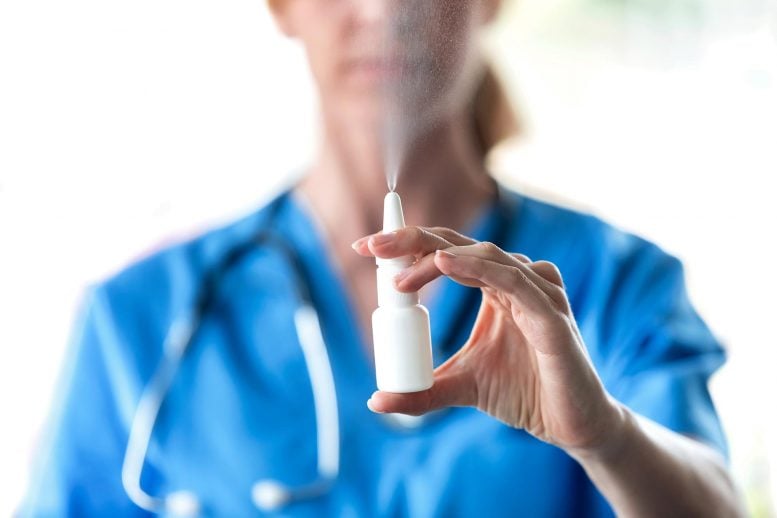
    Nasal Spray Vaccine Concept
    Research found that disrupting nasal bacteria with antibiotics before influenza virus infection enhanced virus-specific antibody responses.

    Intranasal vaccines combined with oral bacteria may trigger stronger immunity against flu and COVID-19 by leveraging bacterial signals to amplify the body’s defense systems.

    While gut microbiota play a critical role in the induction of adaptive immune responses to influenza virus infection, the role of nasal bacteria in the induction of virus-specific adaptive immunity is less clear. New research published this week in mBio, an open-access journal of the American Society for Microbiology, explores the role of nasal bacteria and provides clues to developing better intranasal vaccines for flu and COVID-19.

    “Our study shows that both integrity and amounts of nasal bacteria may be critical for effective intranasal vaccine,” said study principal investigator Takeshi Ichinohe, Ph.D., an associate professor in the Division of Viral Infection, Department of Infectious Disease Control, International Research Center for Infectious Diseases, Institute of Medical Science, the University of Tokyo, Minato-ku, Tokyo, Japan. “We showed that oral bacteria-combined intranasal vaccine protects from influenza virus and SARS-CoV-2 infection.”

    In the new study, to determine the effects of nasal bacteria in the induction of mucosal immune responses to influenza virus infection, Dr. Ichniohe and colleagues treated mice intranasally with an antibiotic cocktail to kill the nasal bacteria before influenza virus infection.

    The researchers found that disruption of nasal bacteria by antibiotics before influenza virus infection enhanced the virus-specific antibody responses. “We found that intranasal application of antibiotics (to kill nasal bacteria) could release bacterial pathogen-associated molecular patterns (PAMP), which are bacterial components that stimulate innate immunity that act as mucosal adjuvants for influenza virus-specific antibodies response,” said Dr. Ichniohe.

    Innate Immunity as a Vaccine Catalyst

    Innate immunity, which is not specific to a particular pathogen, is the first line of defense against non-self pathogens such as bacteria and virus. The main purpose of the innate immune response is to immediately prevent the spread and movement of foreign pathogens throughout the body. The innate immune responses play an essential role for inducing the pathogen-specific adaptive immune responses. Adjuvants are substances that increase or modulate the immune response to a vaccine and stimulate the innate immune system.

    The researchers also found that while the upper respiratory tract contained commensal bacteria, relative amounts of culturable commensal bacteria in nasal mucosal surface were significantly lower than that in the oral cavity. The researchers tested whether intranasal supplementation of cultured oral bacteria enhances antibody responses to intranasally administered vaccine and found that oral bacteria combined with intranasal vaccine increased antibody responses to intranasally administered vaccine.

    Dr. Ichniohe said the findings provide clues to developing better intranasal vaccines. “We wish to develop effective intranasal vaccines for influenza and COVID-19 in the near future,” said Dr. Ichniohe.

    Reference: “Oral Bacteria Combined with an Intranasal Vaccine Protect from Influenza A Virus and SARS-CoV-2 Infection” by Minami Nagai, Miyu Moriyama and Takeshi Ichinohe, 17 August 2021, mBio.
    DOI: 10.1128/mBio.01598-21

    Never miss a breakthrough: Join the SciTechDaily newsletter.
    Follow us on Google and Google News.

    American Society for Microbiology COVID-19 Infectious Diseases Influenza Vaccine Virology
    Share. Facebook Twitter Pinterest LinkedIn Email Reddit

    Related Articles

    Study Shines Light on Immune Responses for Long-Lasting Protection From COVID-19

    Innovative New mRNA Treatment Shows Promise for Stopping Both Flu and COVID-19 Viruses

    Single-Shot COVID-19 Vaccine Robustly Protects Non-human Primates Against SARS-CoV-2

    Potent Neutralizing Antibodies Isolated From COVID-19 Patients – Could Be Mass-Produced to Suppress Virus

    Common Molecular Feature of Antibodies That Neutralize SARS-CoV-2 Discovered, Boosting COVID-19 Vaccine Prospects

    MMR Vaccine Could Protect Against the Worst COVID-19 Symptoms – “A Low-Risk-High-Reward Preventive Measure”

    Infection Researchers Identify How Coronaviruses From Animals Need to Change to Spread to Humans

    Progress on AAVCOVID, A Gene-Based Experimental COVID-19 Vaccine

    Promising MERS Vaccine Candidate Might Be Able to Block Coronavirus Infections

    Leave A Reply Cancel Reply

    • Facebook
    • Twitter
    • Pinterest
    • YouTube

    Don't Miss a Discovery

    Subscribe for the Latest in Science & Tech!

    Trending News

    Bone-Strengthening Discovery Could Reverse Osteoporosis

    Scientists Uncover Hidden Trigger Behind Stem Cell Aging

    Scientists Find Way to Reverse Fatty Liver Disease Without Changing Diet

    Could Humans Regrow Limbs? New Study Reveals Promising Genetic Pathway

    Scientists Reveal Eating Fruits and Vegetables May Increase Your Risk of Lung Cancer

    Scientists Reverse Brain Aging With Simple Nasal Spray

    Scientists Uncover Potential Brain Risks of Popular Fish Oil Supplements

    Scientists Discover a Surprising Way To Make Bread Healthier and More Nutritious

    Follow SciTechDaily
    • Facebook
    • Twitter
    • YouTube
    • Pinterest
    • Newsletter
    • RSS
    SciTech News
    • Biology News
    • Chemistry News
    • Earth News
    • Health News
    • Physics News
    • Science News
    • Space News
    • Technology News
    Recent Posts
    • What Makes Rubber So Strong? Scientists Finally Solve 100-Year-Old Mystery
    • Scientists Decode Mysterious Magnetic “Maze Domains” To Boost EV Efficiency
    • Scientists Say This Fungus Could Survive the Trip to Mars
    • The Universe Is Expanding Too Fast and Scientists Can’t Explain Why
    • Gaining Weight Young May Be More Dangerous Than You Think
    Copyright © 1998 - 2026 SciTechDaily. All Rights Reserved.
    • Science News
    • About
    • Contact
    • Editorial Board
    • Privacy Policy
    • Terms of Use

    Type above and press Enter to search. Press Esc to cancel.