
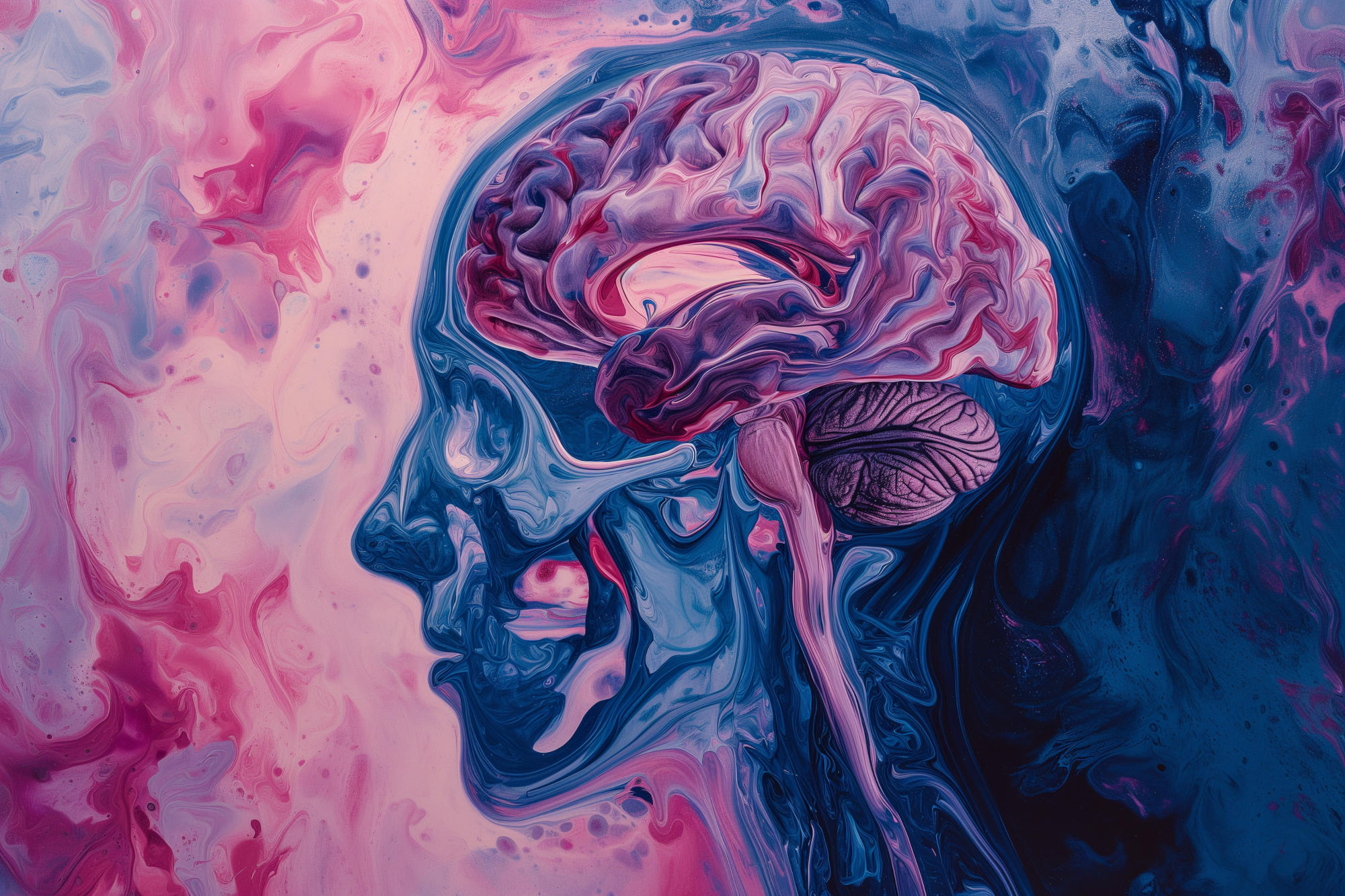
Ketamine, once primarily known as an anesthetic and a recreational drug, has gained a new reputation due to its potential therapeutic benefits. This drug is now being utilized in various medical settings, notably as a substitute for opioids in pain management and in treating treatment-resistant depression.
Recent research conducted by Columbia University’s biologists and biomedical engineers, published in the journal Cell Reports, reveals significant insights into ketamine’s impact on the brain. Their study on mice indicates that prolonged and repeated ketamine use causes extensive structural alterations in the brain’s dopamine system. These findings support the development of more targeted ketamine therapies, which focus on specific brain regions instead of the current approach of general brain exposure to the drug.
“Instead of bathing the entire brain in ketamine, as most therapies now do, our whole-brain mapping data indicates that a safer approach would be to target specific parts of the brain with it, so as to minimize unintended effects on other dopamine regions of the brain,” Raju Tomer, the senior author of the paper said.
Dopamine System Alterations
The study found that repeated ketamine exposure leads to a decrease in dopamine neurons in regions of the midbrain that are linked to regulating mood, as well as an increase in dopamine neurons in the hypothalamus, which regulates the body’s basic functions like metabolism and homeostasis. The former finding, that ketamine decreases dopamine in the midbrain, may indicate why long-term abuse of ketamine could cause users to exhibit similar symptoms to people with schizophrenia, a mood disorder. The latter finding, that ketamine increases dopamine in the parts of the brain that regulate metabolism, on the other hand, may help explain why it shows promise in treating eating disorders.
The researchers’ highly detailed data also enabled them to track how ketamine affects dopamine networks across the brain. They found that ketamine reduced the density of dopamine axons, or nerve fibers, in the areas of the brain responsible for our hearing and vision, while increasing dopamine axons in the brain’s cognitive centers. These intriguing findings may help explain the dissociative behavioral effects observed in individuals exposed to ketamine.
“The restructuring of the brain’s dopamine system that we see after repeated ketamine use may be linked to cognitive behavioral changes over time,” Malika Datta, a co-author of the paper said.
Study Methodology and Findings
Most studies of ketamine’s effects on the brain to date have looked at the effects of acute exposure – how one dose affects the brain in the immediate term. For this study, researchers examined repeated daily exposure over the course of up to ten days. Statistically significant alterations to the brain’s dopamine makeup were only measurably detectable after ten days of daily ketamine use. The researchers assessed the effects of repeated exposure to the drug at two doses, one dose analogous to the dose used to model depression treatment in mice, and another closer to the dose that induces anesthesia. The drug’s effects on the dopamine system were visible at both doses.
“The study is charting a new technological frontier in how to conduct high-resolution studies of the entire brain,” said Yannan Chen, a co-author of the paper. It is the first successful attempt to map changes induced by chronic ketamine exposure at what is known as “sub-cellular resolution,” in other words, down to the level of seeing ketamine’s effects on parts of individual cells.
Most sub-cellular studies of ketamine’s effects conducted to date have been hypothesis-driven investigations of one area of the brain that researchers have targeted because they believed that it might play an important role in how the brain metabolizes the drug. This study is the first sub-cellular study to examine the entire brain without first forming such a hypothesis.
Bradley Miller, a Columbia psychiatrist and neuroscientist who focuses on depression, said: “Ketamine rapidly resolves depression in many patients with treatment-resistant depression, and it is being investigated for longer-term use to prevent the relapse of depression. This study reveals how ketamine rewires the brain with repeated use. This is an essential step for developing targeted treatments that effectively treat depression without some of the unwanted side effects of ketamine.”
“This study gives us a deeper brain-wide perspective of how ketamine functions that we hope will contribute to improved uses of this highly promising drug in various clinical settings as well as help minimize its recreational abuse. More broadly, the study demonstrates that the same type of neurons located in different brain regions can be affected differently by the same drug,” said Tomer.
Reference: “Whole-brain mapping reveals the divergent impact of ketamine on the dopamine system” by Malika S. Datta, Yannan Chen, Shradha Chauhan, Jing Zhang, Estanislao Daniel De La Cruz, Cheng Gong and Raju Tomer, 4 December 2023, Cell Reports.
DOI: 10.1016/j.celrep.2023.113491
The research was supported by the National Institutes of Health (NIH) and the National Institute of Mental Health (NIMH). The paper’s lead authors are Malika Datta and Yannan Chen, who completed their research in Raju Tomer’s lab at Columbia. Datta is now a postdoctoral fellow at Yale.
Never miss a breakthrough: Join the SciTechDaily newsletter.
Follow us on Google and Google News.