
Instant COVID Sensor to Prevent Outbreaks and Protect Communities
RMIT University is collaborating with partners including Australian biomedical start-up Soterius on the biosensor, which can detect the presence of tiny amounts of the SARS-CoV-2 virus and its variants.
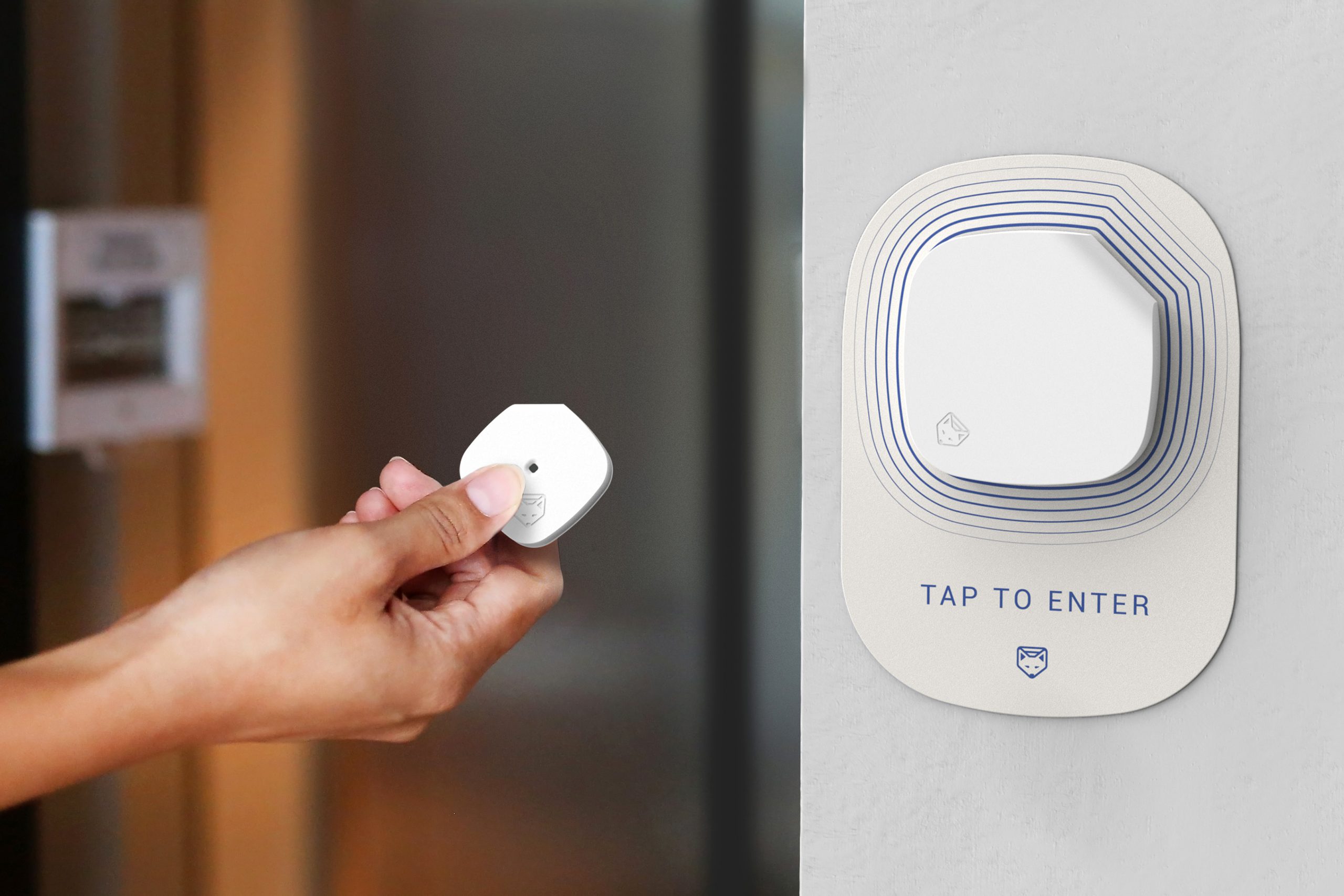
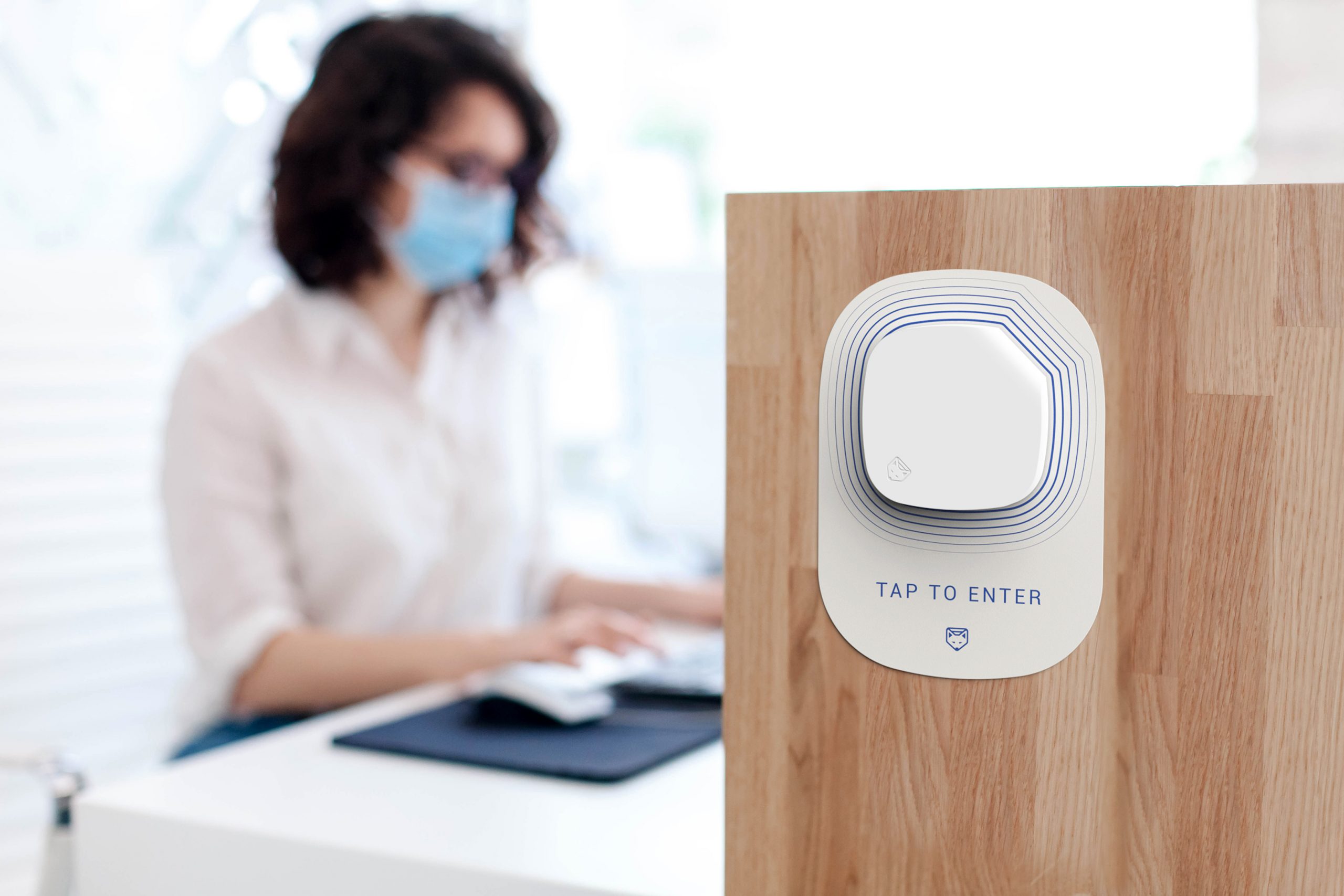
Reliable, accurate, and non-invasive, the Soterius Scout sensor can deliver results within a minute to provide the all-clear for someone to enter their work environment or alert them if they need to undertake a medical COVID test and self-isolate.
The successful prototype is now being further developed by Soterius in partnership with RMIT, MIP Diagnostics, the Burnet Institute, D+I, and Vestech, towards commercial release in early 2022.
The technology will be manufactured in Australia and will initially be delivered to hospitals, with future applications in other essential worker and high-traffic settings including aged care, quarantine hotels, airports, and schools.
Compact Design and Multi-Strain Detection
Soterius co-founder Dr. Alasdair Wood said emerging environmental viral sensors were bulky, energy-intensive, and can detect only one type of virus.
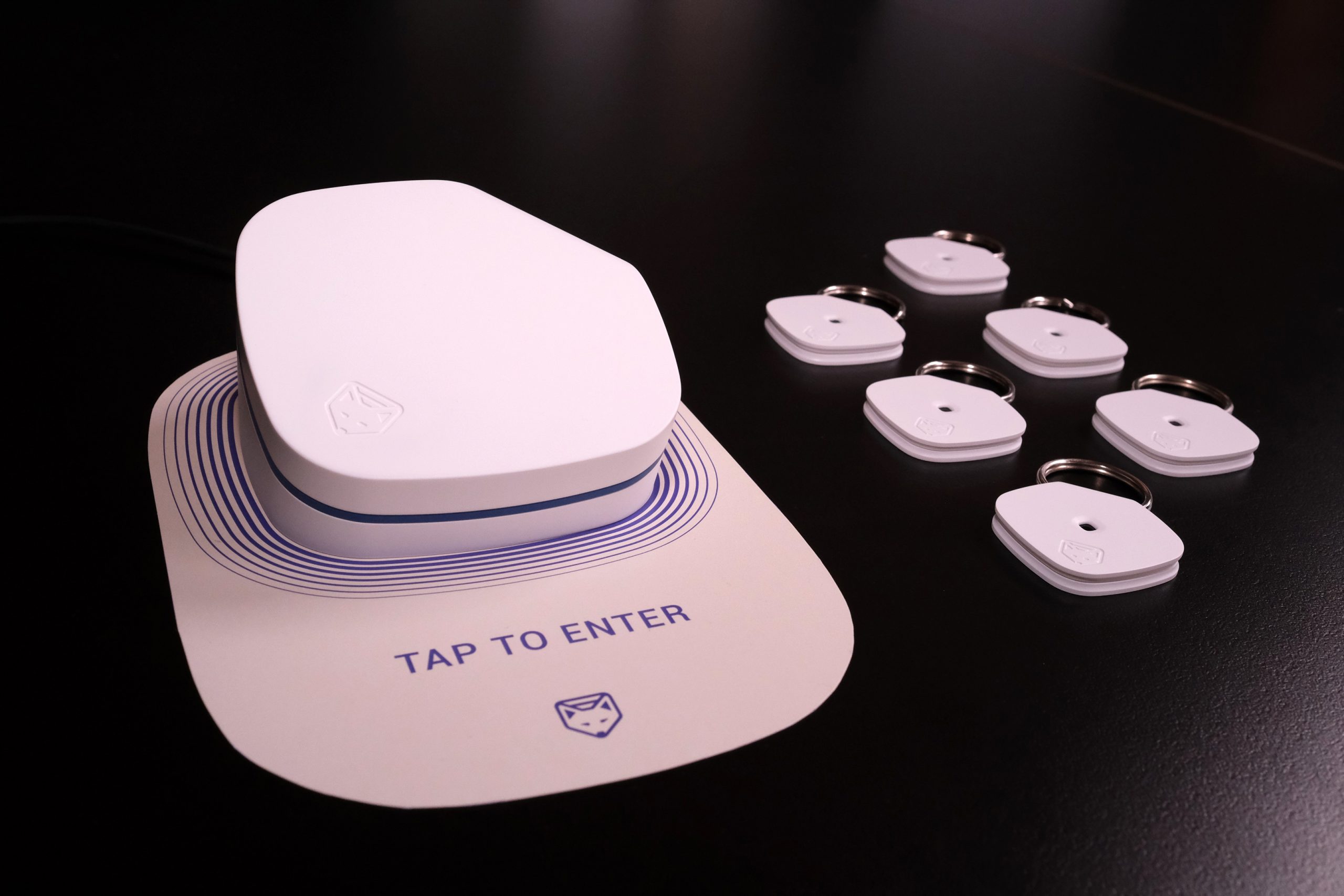
“Our biosensor is so small it can fit on a personal fob card and it’s easy to use — you just need to swipe your card over a reader at checkpoints,” Wood said.
“Importantly, one sensor can detect up to 8 viral strains and our technology can be easily adapted to detect new variants or novel viruses as they emerge.
“We hope the Soterius Scout biosensor could be a vital tool for managing COVID-19, providing accurate early detection to prevent outbreaks and avoid the need for future lockdowns.”
Prototype tests conducted at RMIT, in partnership with Burnet Institute, reveal the Soterius Scout biosensor detects SARS-CoV-2 spike protein fragments with impressive accuracy and no false positives.
The technology can detect COVID-19 even if someone is asymptomatic.
Trials also show the sensor has the potential to become a top-performing diagnostic tool for respiratory illnesses and it is now being scaled to detect other diseases such as influenza and MERS.
Nanotechnology at the Core of the Innovation
The sensor harnesses nanotechnology-enabled biosensors developed by RMIT researchers at its leading-edge Micro Nano Research Facility. The biosensor technology is covered in a patent application filed by RMIT, with the integrated system the subject of a patent application subsequently filed by Soterius.
RMIT project leader Professor Sharath Sriram said the collaboration would accelerate the translation of RMIT research into vital new technologies.
“COVID-19 is not going away any time soon and we need smart solutions to help us detect the virus and contain outbreaks,” Sriram said.
“It is exciting to see our platform sensor technology at the core of this smart new solution for the management of COVID-19 and other respiratory viruses in workplaces, to help protect our frontline workers and the wider community.”
About Soterius Scout
- Versatile, low-cost, home-grown technology
- Can be worn as a fob or attached as a fixture within a workspace
- Detects virus particles that land on the sensor and in less than one minute can communicate the result to a smartphone or to a reader that users swipe as they enter or exit areas
- If SARS-CoV-2 is detected, Scout directs the user to testing and quarantine
- Data from a reader can also be transmitted to the cloud to enable remote monitoring of hot spots and support the containment of local outbreaks
- Scout uses flexible microelectronics and a synthetic nanotechnology that binds to targeted viruses, enabling specific detection and preventing false positives
- Key components of the technology — microfabrication of the biosensor, advanced manufacturing of the electronics — will be designed and made in Australia
- Each Scout device can be programmed to detect up to 8 different viral strains using a sensor array
- Viral particles that land on the sensor bind chemically, so they are safely locked away within the device
- The biosensors can be easily adapted as part of the manufacturing process to detect new strains as they emerge
- In development since 2018, led by co-founders Dr. Alasdair Wood and Dr. Chih Wei Teng
- RMIT project team (Functional Materials and Microsystems Research Group): Professor Sharath Sriram, Dr. Ganganath Perera, Professor Madhu Bhaskaran, Dr. Md Ataur Rahman
- Soterius is an alumnus of the MedTech Actuator – Asia Pacific’s MedTech accelerator. RMIT University is a partner of the MedTech Actuator.
Never miss a breakthrough: Join the SciTechDaily newsletter.
Follow us on Google and Google News.
1 Comment
A welcome development yet what scope such a concept offers also to those who seek profit from the removal of our civil liberties. Insurance companies would surely enjoy use of this technology to assess genetic risk of disease. One might even consider how such ‘fool-proof’ technology could be abused to convince a jury to convict a person of a non-existent crime. As with all technology, it can be used as a double-edged sword and one wonders where lie ethical judgements and controls.