
New research challenges long-held assumptions about a key stage in childhood development, revealing that a commonly used measure may not reflect what it seems.
A study in The Journal of Nutrition is challenging a long-accepted idea about how childhood obesity begins. For decades, scientists have tracked a phase called adiposity rebound, when body mass index (BMI) starts to rise again after dropping in early childhood. That increase has often been viewed as an early warning sign of future obesity. However, this new research suggests the story may be more complex.
Using data from 2,410 children and adolescents ages 2 to 19 in the 2021 to 2023 U.S. National Health and Nutrition Examination Survey (NHANES), researchers found that BMI does increase around age 6, as expected. At the same time, another metric, the waist-to-height ratio, continues to decline. Because this ratio better reflects body fat, the findings indicate that children are not necessarily gaining fat during this period. Instead, they are likely building lean mass, such as muscle and bone, as part of normal growth.
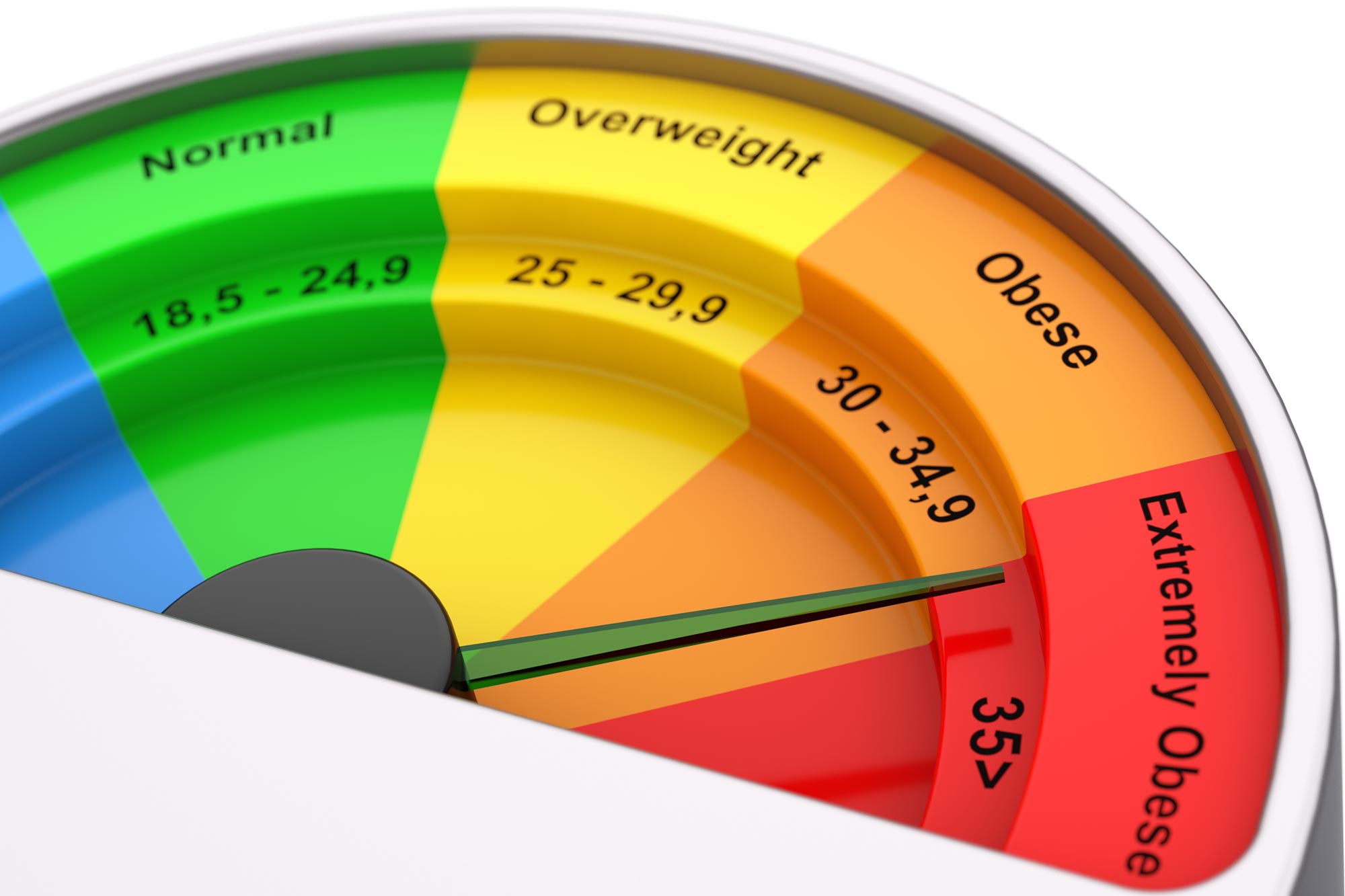
This matters because BMI, while widely used, cannot tell the difference between fat and muscle. A child who is growing taller and stronger may show a rising BMI even if their body fat is stable or decreasing. That limitation has led some researchers to question whether BMI alone can accurately capture health risks during childhood, a time when body composition is constantly shifting.
Limitations of BMI in Children
“Recent global consensus statements on redefining and diagnosing obesity have recommended that obesity should not be diagnosed with BMI alone but confirmed with non-invasive measures such as waist-to-height ratio,” Agbaje said. “This new study buttresses the misleading use of BMI in children whose body composition rapidly changes during growth and the potential for attributing physiological functions to pathology, which might lead to unnecessary interventions. Waist-to-height ratio should be incorporated as the first inexpensive measure in diagnosing pediatric obesity with BMI used as a confirmatory tool due to its imprecision.”
For more than 40 years, adiposity rebound has been defined as the stage in childhood, typically around age 6, when BMI begins to increase after an early drop. BMI is calculated from height and weight and is widely used to screen for obesity. An earlier rebound has often been viewed as a warning sign for future weight problems.
However, BMI does not separate fat mass from fat-free mass such as muscle and bone. Because of this limitation, researchers have questioned whether the rise in BMI truly reflects increased body fat or simply normal shifts in body composition during growth.
A More Accurate Measure of Body Fat
To address this issue, the researchers used the waist-to-height ratio, which compares waist circumference to height to estimate abdominal fat. Higher levels of abdominal fat are linked to increased risk of conditions such as heart disease, type 2 diabetes, high blood pressure, liver disease, and bone fractures. Since this measure reflects fat distribution and is less influenced by muscle growth, it may provide a more accurate assessment of body fat in children.
The team describes the gap between BMI and waist-to-height ratio trends as a “body composition reset,” suggesting a shift toward lean tissue development that supports healthy growth.
These findings add to evidence that BMI alone may not reliably capture body composition in children, whose bodies change quickly as they grow. Including waist-to-height ratio in routine assessments could improve how clinicians evaluate body fat and reduce the risk of labeling normal development as obesity.
Reference: “Adiposity Rebound or Fat-Free Mass Anabolism in Children—Challenging a 42-Year-Old BMI Puzzle with Waist-to-Height Ratio: The ASNF-NNF 2025 Inaugural Flemming Quaade Award for Innovation in Childhood Obesity Lecture” by Andrew O Agbaje, 10 March 2026, The Journal of Nutrition.
DOI: 10.1016/j.tjnut.2026.101437
Never miss a breakthrough: Join the SciTechDaily newsletter.
Follow us on Google and Google News.