
Close Menu
    Facebook X (Twitter) Instagram
    SciTechDaily
    • Biology
    • Chemistry
    • Earth
    • Health
    • Physics
    • Science
    • Space
    • Technology
    Facebook X (Twitter) Pinterest YouTube RSS
    SciTechDaily
    Home»Health»New Study: Having a Pet Dog May Increase Your Risk of a Sleep Disorder
    Health

    New Study: Having a Pet Dog May Increase Your Risk of a Sleep Disorder

    By CABIMay 26, 2023No Comments3 Mins Read
    Facebook Twitter Pinterest Telegram LinkedIn WhatsApp Email Reddit
    Share
    Facebook Twitter LinkedIn Pinterest Telegram Email Reddit
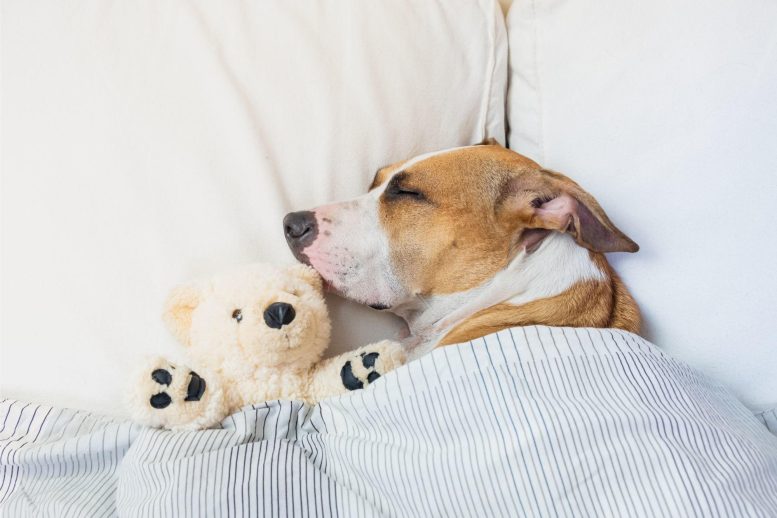
    Dog Sleeping in Bed
    A recent study found that owning a dog or cat could negatively impact sleep quality, with dog ownership associated with higher odds of sleep disorders and cat ownership linked to an increased chance of experiencing leg jerks.

    Research Has Revealed That Pet Ownership May Negatively Impact Sleep Quality

    A new study published in the CABI journal Human-Animal Interactions indicates that your beloved pet dog or cat could be causing you to have less peaceful sleep than those who enjoy long, undisturbed rest.

    Led by Dr. Lauren Wisnieski from Lincoln Memorial University, USA, the study concentrated on pet ownership in the United States, using data from the 2005-2006 National Health and Nutrition Examination Survey (NHANES).

    Dr Wisnieski, Assistant Professor of Public Health and Research and Affiliation, found that having a dog was associated with greater odds of having a sleep disorder and having trouble sleeping while having a cat was associated with a higher chance of having leg jerks.

    While the causal nature of pet ownership on sleep quality and sleep disorders was unable to be established, the results of the study are consistent with previous studies that found that pet ownership has a negative impact on sleep quality.

    Mixed Benefits of Pet Ownership on Sleep

    Dr. Wisnieski said, “Prior studies on the association between pet ownership and sleep quality and sleep disorders have varied results.

    “On the one hand, dogs and cats may be beneficial for an owner’s quality of sleep due to the social support that pets provide – pets offer a sense of security and companionship, which may result in improvements in levels of anxiety, stress, and depression. Yet, on the other hand, pets may disrupt their owners’ sleep.

    “This cross-sectional study aimed to determine if there is an association between dog and cat ownership and sleep quality and sleep disorders – including consideration of aspects such as snoring, waking up during the night, needing pills to sleep, and leg jerks.”

    The research built multivariable logistic regression models that also included sleep quality factors such as feeling unrested, feeling sleepy, not getting enough sleep, taking longer than 15 minutes to fall asleep, and getting less than six hours of sleep on average.

    Dr. Wisnieski suggests that the differences in the association of sleep quality and cat versus dog ownership may be because cats tend to be more active at night.

    Furthermore, she found that there were fewer differences in sleep quality indicators between cat and non-cat owners compared to dog and non-dog owners.

    Recommendations

    Dr. Wisnieski added, “If the causal relationship is established through further investigation, the results will have implications for clinician recommendations for treating patients with poor sleep quality.

    “Additionally, educational resources can be developed to inform pet owners about the risks of sleep disruptions and offer potential solutions, such as crating the pet or restricting access to the bedroom at night.”

    In conclusion, the study recognizes that there may be potential positive aspects of co-sleeping with a pet but the data obtained from NHANES did not state whether owners indeed slept with their dogs or cats.

    “In the future, studies would benefit from measuring the human-animal bond, so that we can understand how the strength of it affects quality of sleep,” Dr. Wisnieski added.

    Reference: “The association of pet ownership and sleep quality and sleep disorders in United States adults” by Kayla Medlin and Lauren Wisnieski, 17 March 2023, Human-Animal Interactions.
    DOI: 10.1079/hai.2023.0005

    Never miss a breakthrough: Join the SciTechDaily newsletter.
    Follow us on Google and Google News.

    Cats Dogs Public Health Sleep Science
    Share. Facebook Twitter Pinterest LinkedIn Email Reddit

    Related Articles

    Warning: Antibiotic-Resistant “Superbugs” Are Being Passed Between Dogs and Cats and Their Owners

    Warning: Research Shows Pet Dogs and Cats May Easily Catch COVID-19 From Their Owners

    COVID-19 Has Infected Pet Cats and Dogs – What About Wildlife?

    26 Animals Regularly in Contact With People May Be Susceptible to SARS-CoV-2 / COVID-19 Virus

    Details Revealed About the First Cat Infected With SARS-CoV-2 Coronavirus in Spain – Including Necropsy Findings

    Warning: More Cats Might Have COVID-19 Than First Believed

    Study Confirms Cats Can Become Infected With COVID-19

    Raw-Type Dog Foods Identified as a Major Source of Multidrug-Resistant Bacteria – Public Health Risk to Humans

    Evidence of Stray Dogs as Possible Origin of COVID-19 Pandemic

    Leave A Reply Cancel Reply

    • Facebook
    • Twitter
    • Pinterest
    • YouTube

    Don't Miss a Discovery

    Subscribe for the Latest in Science & Tech!

    Trending News

    AI Could Detect Early Signs of Alzheimer’s in Under a Minute – Far Before Traditional Tests

    What if Dark Matter Has Two Forms? Bold New Hypothesis Could Explain a Cosmic Mystery

    This Metal Melts in Your Hand – and Scientists Just Discovered Something Strange

    Beef vs. Chicken: Surprising Results From New Prediabetes Study

    Alzheimer’s Breakthrough: Scientists Discover Key Protein May Prevent Toxic Protein Clumps in the Brain

    Quantum Reality Gets Stranger: Physicists Put a Lump of Metal in Two Places at Once

    Scientists May Have Found the Key to Jupiter and Saturn’s Moon Mystery

    Scientists Uncover Brain Changes That Link Pain to Depression

    Follow SciTechDaily
    • Facebook
    • Twitter
    • YouTube
    • Pinterest
    • Newsletter
    • RSS
    SciTech News
    • Biology News
    • Chemistry News
    • Earth News
    • Health News
    • Physics News
    • Science News
    • Space News
    • Technology News
    Recent Posts
    • Living With Roommates Might Be Changing Your Gut Microbiome Without You Knowing
    • Simple and Cheap Blood Test Could Detect Cancer and Other Diseases Before Symptoms Appear
    • Century-Old Cleaning Chemical Linked to 500% Increased Risk of Parkinson’s Disease
    • What if Your Memories Never Happened? Physicists Take a New Look at the Boltzmann Brain Paradox
    • Students Found an Ancient Star That Shouldn’t Be in the Milky Way
    Copyright © 1998 - 2026 SciTechDaily. All Rights Reserved.
    • Science News
    • About
    • Contact
    • Editorial Board
    • Privacy Policy
    • Terms of Use

    Type above and press Enter to search. Press Esc to cancel.