
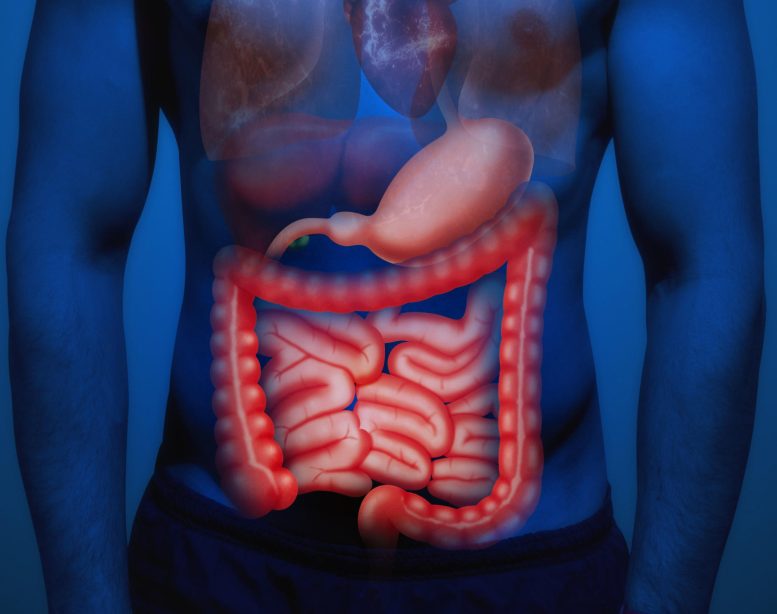
Antibiotics disrupt the gut microbiome, raising IBD risk, especially in older adults and with repeated use.
Frequent antibiotics use may increase the risk of developing inflammatory bowel disease for adults over 40, according to research published in the journal Gut. The study suggests that individuals taking antibiotics for gut infections have a higher risk, with the risk being greatest 1-2 years after use.
Mounting evidence suggests that environmental factors are likely implicated in the development of inflammatory bowel disease (IBD). Globally, close to 7 million people have the condition, with this number expected to rise over the next decade, say the researchers.
One factor associated with IBD risk in younger people is the use of antibiotics, but it’s not clear if this association might also apply to older people. To explore this further, the researchers drew on national medical data from 2000 to 2018 for Danish citizens aged 10 and upwards who hadn’t been diagnosed with IBD.
They specifically wanted to know if the timing and dose of antibiotics might be important for the development of IBD and whether this varied by IBD and antibiotic type. More than 6.1 million people were included in the study, just over half of whom were female. In total, 5.5 million (91%) were prescribed at least one course of antibiotics between 2000 and 2018.
During this period, some 36,017 new cases of ulcerative colitis and 16,881 new cases of Crohn’s disease were diagnosed. Overall, compared with no antibiotic use, the use of these drugs was associated with a higher risk of developing IBD, regardless of age. But older age was associated with the highest risk. Those aged 10-40 were 28% more likely to be diagnosed with IBD; 40- 60 year olds were 48% more likely to do so, while those over 60 were 47% more likely to do so.
Cumulative Risk and Timing of Antibiotic Exposure
The risks were slightly higher for Crohn’s disease than they were for ulcerative colitis: 40% among 10-40 year olds; 62% among 40-60 year olds; and 51% among those over 60. The risk seemed to be cumulative, with each subsequent course adding an additional 11%, 15%, and 14% heightened risk, according to the age band. The highest risk of all was observed among those prescribed 5 or more courses of antibiotics: 69% heightened risk for 10–40 year olds; a doubling in risk for 40–60 year olds; and a 95% heightened risk for individuals over 60.
Timing also seemed to be influential, with the highest risk for IBD occurring 1–2 years after antibiotic exposure, with each subsequent year thereafter associated with a lowering in risk. Specifically, among 10–40 year olds IBD risk was 40% higher 1–2 years after taking antibiotics compared with 13% 4–5 years later. The equivalent figures for 40–60 year olds were 66% vs 21% and for the over 60s 63% vs 22%.
As to antibiotic type, the highest risk of IBD was associated with nitroimidazoles and fluoroquinolones, which are usually used to treat gut infections. These are known as broad-spectrum antibiotics because they indiscriminately target all microbes, not just those that cause disease.
Nitrofurantoin was the only antibiotic type not associated with IBD risk at any age. Narrow spectrum penicillins were also associated with IBD, although to a much lesser extent. This adds weight to the notion that changes in the gut microbiome may have a key role and that many antibiotics have the potential to alter the makeup of microbes in the gut.
Biological Explanations and Public Health Implications
This is an observational study, and as such, can’t establish cause. Nor was information available on what the drugs were for or how many of them patients actually took, note the researchers.
But there are some plausible biological explanations for the findings, they suggest, highlighting the natural diminution of both the resilience and range of microbes in the gut microbiome associated with aging, which antibiotic use is likely to compound.
“Furthermore, with repeated courses of antibiotics, these shifts can become more pronounced, ultimately limiting recovery of the intestinal microbiota,” they add.
Limiting prescriptions for antibiotics may not only help to curb antibiotic resistance but may also help lower the risk of IBD, they venture.
“The association between antibiotic exposure and the development of IBD underscores the importance of antibiotic stewardship as a public health measure, and suggests the gastrointestinal microbiome as an important factor in the development of IBD, particularly among older adults,” they conclude.
Reference: “Antibiotic use as a risk factor for inflammatory bowel disease across the ages: a population-based cohort study” by Adam S Faye, Kristine Højgaard Allin, Aske T Iversen, Manasi Agrawal, Jeremiah Faith, Jean-Frederic Colombel and Tine Jess, 9 January 2023, Gut.
DOI: 10.1136/gutjnl-2022-327845
Never miss a breakthrough: Join the SciTechDaily newsletter.
Follow us on Google and Google News.