
Close Menu
    Facebook X (Twitter) Instagram
    SciTechDaily
    • Biology
    • Chemistry
    • Earth
    • Health
    • Physics
    • Science
    • Space
    • Technology
    Facebook X (Twitter) Pinterest YouTube RSS
    SciTechDaily
    Home»Health»People With Inflammatory Bowel Disease (IBD) Have More Microplastics in Their Feces
    Health

    People With Inflammatory Bowel Disease (IBD) Have More Microplastics in Their Feces

    By American Chemical SocietyDecember 22, 20211 Comment3 Mins Read
    Facebook Twitter Pinterest Telegram LinkedIn WhatsApp Email Reddit
    Share
    Facebook Twitter LinkedIn Pinterest Telegram Email Reddit
    IBD Microplastics Feces
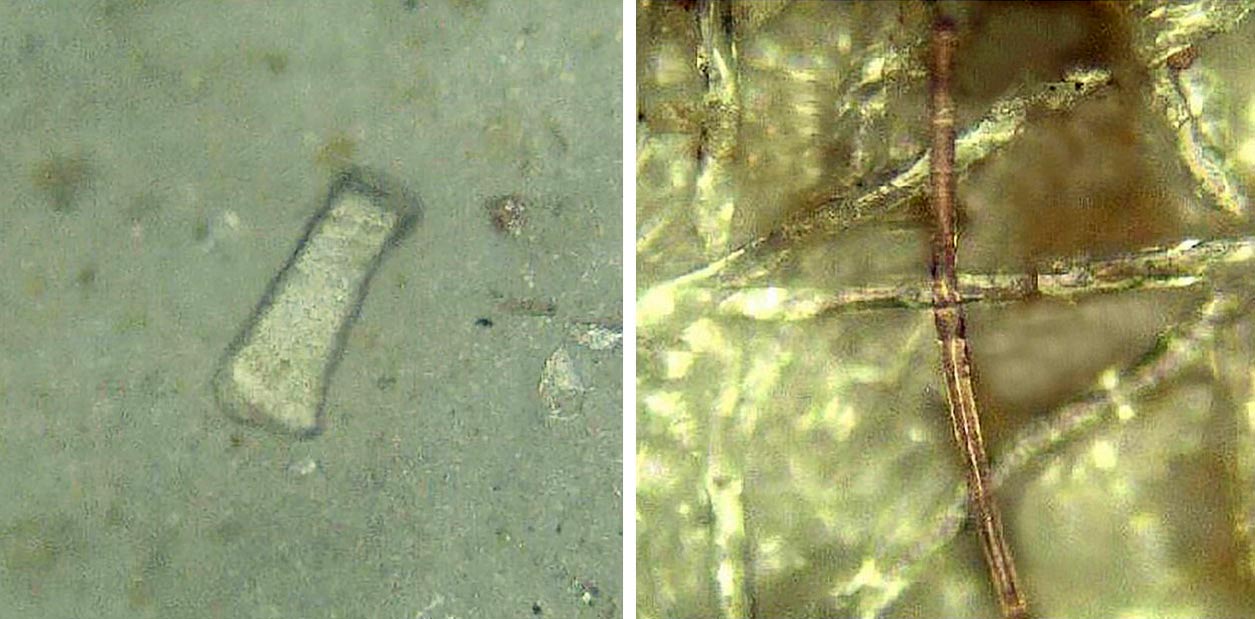
    Higher numbers of microplastics of various shapes, such as sheets (left) and fibers (right) were found in the feces of people with IBD than in healthy controls. Credit: Adapted from Environmental Science & Technology 2021, DOI: 10.1021/acs.est.1c03924

    IBD patients show higher fecal microplastic levels, hinting at a link between plastics and gut health.

    Microplastics — tiny pieces of plastic less than 5 mm in length – are everywhere, from bottled water to food to air. According to recent estimates, people consume tens of thousands of these particles each year, with unknown health consequences. Now, researchers reporting in ACS’ Environmental Science & Technology found that people with inflammatory bowel disease (IBD) have more microplastics in their feces than healthy controls, suggesting that the fragments could be related to the disease process.

    The prevalence of IBD, which includes Crohn’s disease and ulcerative colitis, is rising globally. Characterized by chronic inflammation of the digestive tract, IBD can be triggered or made worse by diet and environmental factors. Microplastics can cause intestinal inflammation, gut microbiome disturbances, and other problems in animal models, so Faming Zhang, Yan Zhang, and colleagues wondered if they could also contribute to IBD. As a first step toward finding out, the researchers wanted to compare the levels of microplastics in feces from healthy subjects and people with different severities of IBD.

    Plastics Linked to Lifestyle Factors

    The team obtained fecal samples from 50 healthy people and 52 people with IBD from different geographic regions of China. Analysis of the samples showed that feces from IBD patients contained about 1.5 times more microplastic particles per gram than those from healthy subjects. The microplastics had similar shapes (mostly sheets and fibers) in the two groups, but the IBD feces had more small (less than 50 μm) particles. The two most common types of plastic in both groups were polyethylene terephthalate (PET; used in bottles and food containers) and polyamide (PA; found in food packaging and textiles). People with more severe IBD symptoms tended to have higher levels of fecal microplastics. Through a questionnaire, the researchers found that people in both groups who drank bottled water, ate takeaway food, and were often exposed to dust had more microplastics in their feces. These results suggest that people with IBD may be exposed to more microplastics in their gastrointestinal tract. However, it’s still unclear whether this exposure could cause or contribute to IBD, or whether people with IBD accumulate more fecal microplastics as a result of their disease, the researchers say.

    Reference: “Analysis of Microplastics in Human Feces Reveals a Correlation between Fecal Microplastics and Inflammatory Bowel Disease Status” by Zehua Yan, Yafei Liu, Ting Zhang, Faming Zhang, Hongqiang Ren and Yan Zhang, 22 December 2021, Environmental Science & Technology.
    DOI: 10.1021/acs.est.1c03924

    The authors acknowledge funding from the National Natural Science Foundation of China.

    Never miss a breakthrough: Join the SciTechDaily newsletter.
    Follow us on Google and Google News.

    American Chemical Society Gastroenterology Gastrointestinal Microplastics Plastic Pollution
    Share. Facebook Twitter Pinterest LinkedIn Email Reddit

    Related Articles

    “Safe” Plant-Based Plastics Linked to Organ Damage

    Breaking the Skin Barrier: Scientists Discover New Health Risks of Microplastics

    How Is It Raining Plastic?! [Video]

    Water Coolers Can Release Potentially Harmful Compounds Into Drinking Water

    Bacteria-Sized Metallic Robots Take On Microplastics – And Win by Breaking Them Down

    Microplastics Turn Into “Hubs” for Antibiotic-Resistant Bacteria and Pathogens

    Microplastics in Our Drinking Water – Significant Source of Microplastics in Human Diet

    Warning: Plastic Teabags Release Microscopic Particles Into Tea

    Four Billion Microplastic Particles Discovered in the Waters of Tampa Bay

    1 Comment

    1. JR on December 22, 2021 6:25 am

      Very interesting, but the study was based on a rather small data set: only 102 subjects?

      Reply
    Leave A Reply Cancel Reply

    • Facebook
    • Twitter
    • Pinterest
    • YouTube

    Don't Miss a Discovery

    Subscribe for the Latest in Science & Tech!

    Trending News

    Scientists Discover How Coffee Impacts Memory, Mood, and Gut Health

    Why Did the Neanderthals Disappear? Scientists Reveal Humans Had a Hidden Advantage

    Physicists Propose Strange Experiment Where Time Goes Quantum

    Magnesium Magic: New Drug Melts Fat Even on a High-Fat, High-Sugar Diet

    Weight-Loss Drugs Like Ozempic May Come With an Unexpected Cost

    Mezcal “Worm” in a Bottle Mystery: DNA Testing Reveals a Surprise

    New Research Reveals That Your Morning Coffee Activates an Ancient Longevity Switch

    This Is What Makes You Irresistible to Mosquitoes

    Follow SciTechDaily
    • Facebook
    • Twitter
    • YouTube
    • Pinterest
    • Newsletter
    • RSS
    SciTech News
    • Biology News
    • Chemistry News
    • Earth News
    • Health News
    • Physics News
    • Science News
    • Space News
    • Technology News
    Recent Posts
    • Harvard Scientists Reveal Secret Structure Behind How You Smell
    • Scientists Just Discovered the Hidden Trick That Keeps Your Cells Alive
    • This Simple Movement Could Be Secretly Cleaning Your Brain
    • Male Birth Control Breakthrough: Scientists Find Way To Turn Sperm Production Off and Back On
    • A Common Vitamin Could Hold the Key to Treating Fatty Liver Disease
    Copyright © 1998 - 2026 SciTechDaily. All Rights Reserved.
    • Science News
    • About
    • Contact
    • Editorial Board
    • Privacy Policy
    • Terms of Use

    Type above and press Enter to search. Press Esc to cancel.