
Close Menu
    Facebook X (Twitter) Instagram
    SciTechDaily
    • Biology
    • Chemistry
    • Earth
    • Health
    • Physics
    • Science
    • Space
    • Technology
    Facebook X (Twitter) Pinterest YouTube RSS
    SciTechDaily
    Home»Science»Science Made Simple: What Are Microplastics?
    Science

    Science Made Simple: What Are Microplastics?

    By National Oceanic and Atmospheric Administration (NOAA)May 22, 2022No Comments3 Mins Read
    Facebook Twitter Pinterest Telegram LinkedIn WhatsApp Email Reddit
    Share
    Facebook Twitter LinkedIn Pinterest Telegram Email Reddit
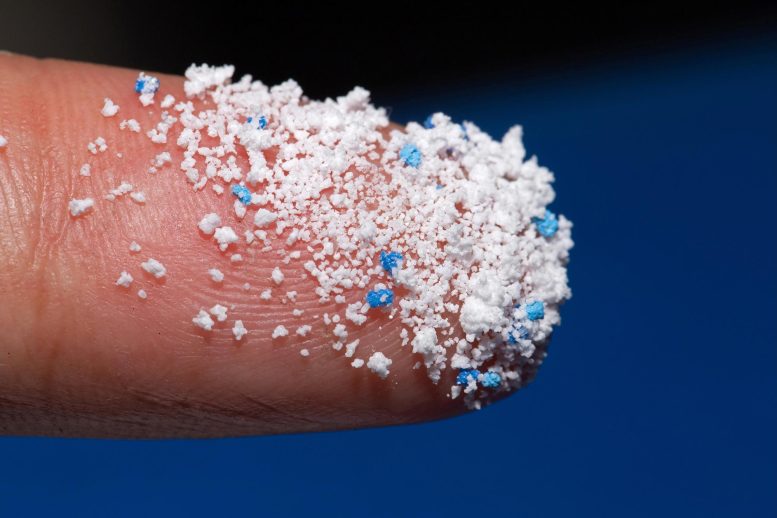
    Microplastic on Finger
    Microplastics are fragments of any type of plastic that are less than 5 mm (0.20 in) in length.

    Microplastics are small plastic pieces less than five millimeters long which can be harmful to our ocean and aquatic life.

    Plastic is the most prevalent type of marine debris found in our oceans and Great Lakes. Plastic debris can come in all shapes and sizes, but those that are less than five millimeters (0.2 inches) in length (or about the size of a sesame seed) are called “microplastics.”

    Did you know?

    Microplastics can come from a variety of sources including larger plastic pieces that have broken apart, resin pellets used for plastic manufacturing, or in the form of microbeads, which are small, manufactured plastic beads used in health and beauty products.

    As an emerging field of research, not a lot is known about microplastics and their impacts yet. The National Oceanic and Atmospheric Administration (NOAA) Marine Debris Program is leading efforts within NOAA to study this topic. Standardized field methods for collecting sediment, sand, and surface-water microplastic samples have been developed and continue to undergo testing. Eventually, field and laboratory protocols will allow for global comparisons of the amount of microplastics released into the environment, which is the first step toward determining the final distribution, impacts, and fate of this debris.


    What are microplastics? Here’s what you need to know in less than a minute.

    Microplastics come from a variety of sources, including from larger plastic debris that degrades into smaller and smaller pieces. Additionally, microbeads, a type of microplastic, are very tiny pieces of manufactured polyethylene plastic that are added as exfoliants to health and beauty products, such as some cleansers and toothpastes. These tiny particles easily pass through water filtration systems and end up in the ocean and Great Lakes, posing a potential threat to aquatic life.
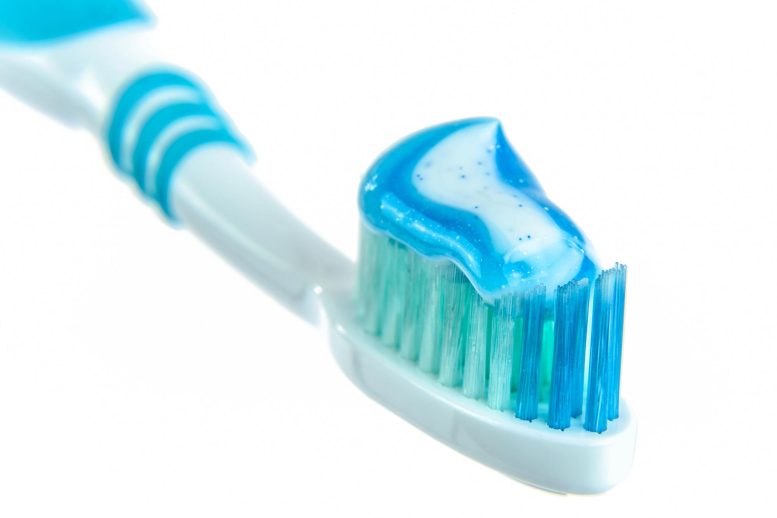
    Toothpaste Close Up
    Microbeads are tiny pieces of polyethylene plastic added to health and beauty products, such as some cleansers and toothpastes.

    Microbeads are not a recent problem. According to the United Nations Environment Program, plastic microbeads first appeared in personal care products about fifty years ago, with plastics increasingly replacing natural ingredients. As recently as 2012, this issue was still relatively unknown, with an abundance of products containing plastic microbeads on the market and very little awareness on the part of consumers.

    On December 28, 2015, the Microbead-Free Waters Act of 2015 was signed by President Obama, banning plastic microbeads in cosmetics and personal care products.

    Never miss a breakthrough: Join the SciTechDaily newsletter.
    Follow us on Google and Google News.

    Microplastics NOAA Plastic Pollution
    Share. Facebook Twitter Pinterest LinkedIn Email Reddit

    Related Articles

    Microplastics Are Leaking Invisible Chemical Clouds Into Rivers and Oceans

    Scientists Develop Plastic Substitute That Could Fight Ocean Pollution

    How Everyday Plastics Quietly Turn Into DNA-Damaging Nanoparticles

    Could Plastic-Eating Bugs Be the Key to Solving Our Microplastic Problem?

    Goodbye Microplastics: New Recyclable Plastic Breaks Down Safely in Seawater

    New Plant-Based Plastic Releases 9 Times Less Microplastics

    Unseen Hazard: The Invisible World of Plastics and Oligomers in Your Laundry

    Toxic Hitchhikers: How Microplastics Carry Heavy Metals Across Our Rivers

    How Is It Raining Plastic?! [Video]

    Leave A Reply Cancel Reply

    • Facebook
    • Twitter
    • Pinterest
    • YouTube

    Don't Miss a Discovery

    Subscribe for the Latest in Science & Tech!

    Trending News

    Mezcal “Worm” in a Bottle Mystery: DNA Testing Reveals a Surprise

    New Research Reveals That Your Morning Coffee Activates an Ancient Longevity Switch

    This Is What Makes You Irresistible to Mosquitoes

    Shockingly Powerful Giant Octopuses Ruled the Seas 100 Million Years Ago

    Scientists Stunned by New Organic Molecules Found on Mars

    Rewriting Dinosaur Evolution: Scientists Unearth Remarkable 150-Million-Year-Old Stegosaur Skull

    Omega-3 Supplements Linked to Cognitive Decline in Surprising New Study

    First-of-Its-Kind Discovery: Homer’s Iliad Found Embedded in a 1,600-Year-Old Egyptian Mummy

    Follow SciTechDaily
    • Facebook
    • Twitter
    • YouTube
    • Pinterest
    • Newsletter
    • RSS
    SciTech News
    • Biology News
    • Chemistry News
    • Earth News
    • Health News
    • Physics News
    • Science News
    • Space News
    • Technology News
    Recent Posts
    • This Gene Tweak Turns Strawberries Into Healthier, Tastier Superfruit
    • This New Chip Could Make GPUs Far More Efficient
    • This Tiny World in the Outer Solar System Should Be Airless, but It Has an Atmosphere
    • NASA’s Webb Space Telescope Reveals a Dark Airless Super-Earth That Looks Like Mercury
    • These Simple Daily Habits Can Quickly Improve Blood Pressure and Heart Risk Factors
    Copyright © 1998 - 2026 SciTechDaily. All Rights Reserved.
    • Science News
    • About
    • Contact
    • Editorial Board
    • Privacy Policy
    • Terms of Use

    Type above and press Enter to search. Press Esc to cancel.