
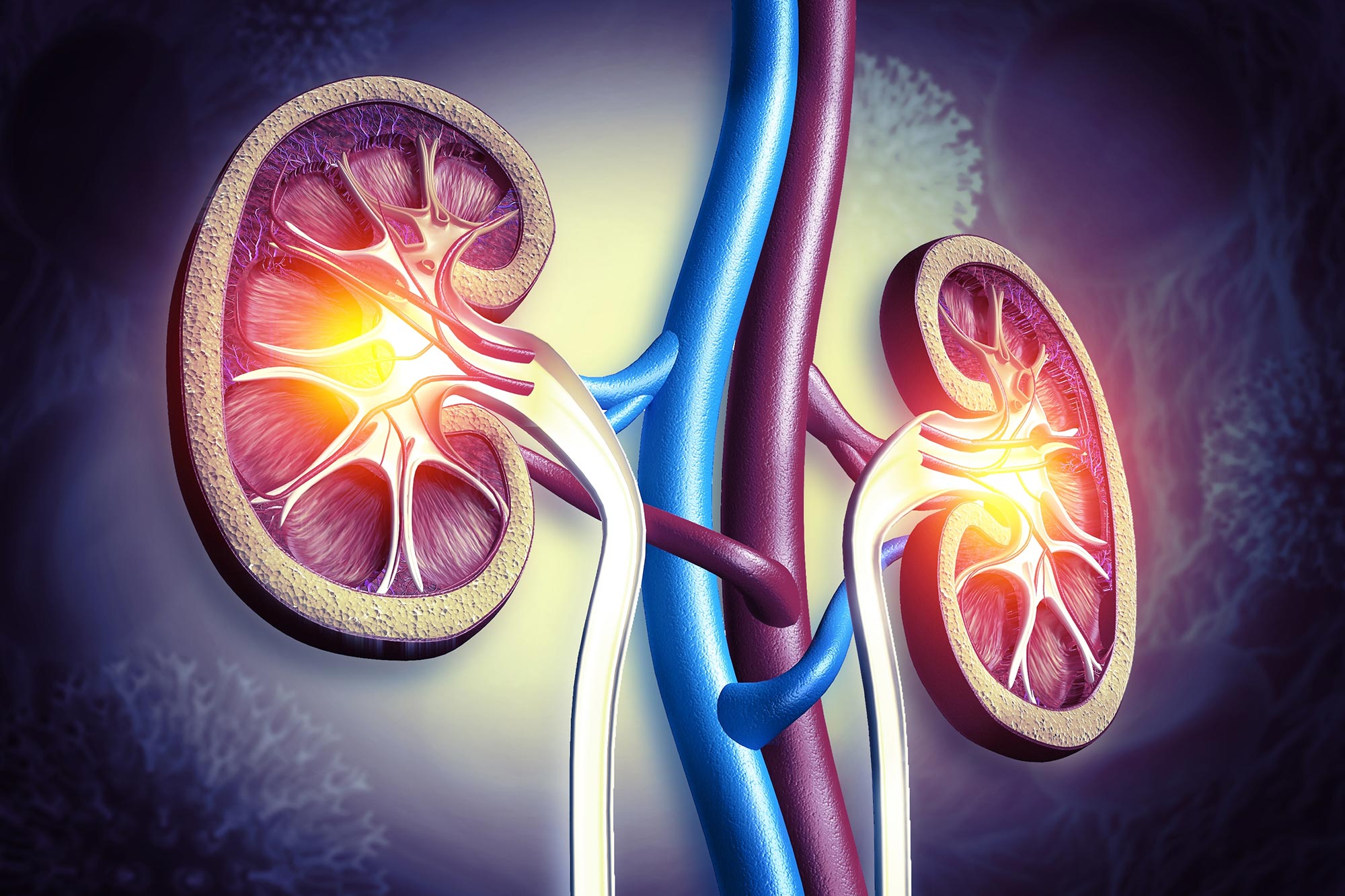
A monthly infusion may one day replace daily immunosuppressant pills for kidney transplant patients.
A kidney transplant can be life-changing, but it usually comes with a lifelong tradeoff: daily immunosuppressant pills that keep the immune system from attacking the donated organ.
A new study suggests there may be another path in the future, one that could reduce the daily medication burden to a monthly treatment. Researchers say the goal is not just convenience. The approach could also limit side effects and help donor kidneys keep working longer.
Right now, most kidney transplant recipients take several drugs every day to prevent rejection. While these standard immunosuppressants protect the new kidney, they can gradually harm kidney function and may lose effectiveness over time.
They are also associated with diabetes, hypertension, and high cholesterol. Flavio Vincenti, MD, professor of medicine and surgery in the Division of Nephrology at UC San Francisco and the study’s first author, noted that side effects often push patients to miss doses. Beyond metabolic risks, people can also deal with fatigue, muscle weakness, sexual dysfunction, hair loss, and sleeplessness, all of which can make long term adherence harder.
Testing a Monthly Infusion Approach
The Phase 2 pilot study involved 23 kidney transplant patients who were given infusions of belatacept and dazodalibep. These protein-based therapies are intended to block the immune system’s attack on the transplanted kidney while avoiding the broader effects on non-immune cells seen with standard treatments.
Among patients who completed the study, kidney function improved across the board. Outcomes were comparable even in those who experienced episodes of organ rejection. Importantly, none of the participants developed antibody-mediated rejection, a leading cause of transplant failure. The findings were published in the American Journal of Transplantation.
“We would hope to see better medication compliance with the new regimen since it does not involve taking multiple medications every day,” Vincenti said.
Study patients received standard immunosuppressants at first, but these were discontinued by day 28 in favor of the infusions for the remainder of the 48-week study.
Two of the first three patients experienced organ rejection, but doctors successfully treated and reversed those episodes. Afterward, researchers adjusted the dosing schedule and frequency for the remaining participants. Thirteen patients completed the full study, while seven withdrew because of acute kidney rejection, side effects, or unspecified reasons.
Looking Ahead
The next phase of the study will determine if these early findings are replicated in a large patient pool, said senior author Allan D. Kirk, MD, PhD, professor of surgery at Duke University School of Medicine.
“We hope that most patients can be spared the toxic effects of immunosuppressants, which would be reserved for those with certain high-risk factors,” said Kirk.
Reference: “Dual costimulation blockade with the CD154-specific fusion protein dazodalibep and belatacept for prophylaxis of kidney allograft rejection” by Flavio Vincenti, Jun Shoji, David Wojciechowski, Jim Kim, Wenjing Xu, Todd M. Wilson and Allan D. Kirk, 3 February 2026, American Journal of Transplantation.
DOI: 10.1016/j.ajt.2025.12.290
Never miss a breakthrough: Join the SciTechDaily newsletter.
Follow us on Google and Google News.