
It has long been known that noise affects animal behavior, just look at our personal reactions and behaviors when stuck in a noisy city. But new research shows that noise also affects plants by disrupting the animals’ natural interaction with those plants.
A growing body of research shows that birds and other animals change their behavior in response to human noise, such as the din of traffic or the hum of machinery.
But human clamor doesn’t just affect animals.
Because many animals also pollinate plants or eat or disperse their seeds, human noise can have ripple effects on plants, too, finds a new study reported in the March 21, 2012, issue of the journal Proceedings of the Royal Society B.
In cases where noise has ripple effects on long-lived plants like trees, the consequences could last for decades, even after the source of the noise goes away, says lead author Clinton Francis of the National Science Foundation (NSF) National Evolutionary Synthesis Center in Durham, North Carolina.
In previous studies, Francis and colleagues found that some animals increase in numbers near noisy sites, while others decline.
But could animals’ different responses to human noise have indirect effects on plants, too?
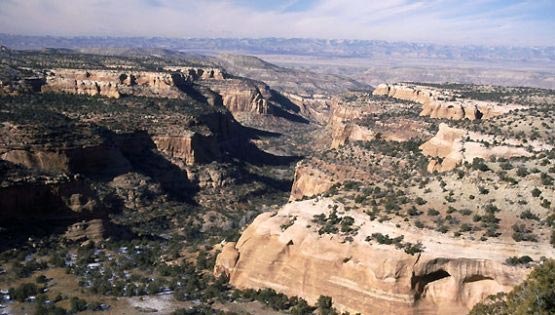
To find out, the researchers conducted a series of experiments from 2007 to 2010 in the Bureau of Land Management’s Rattlesnake Canyon Wildlife Area in northwestern New Mexico.
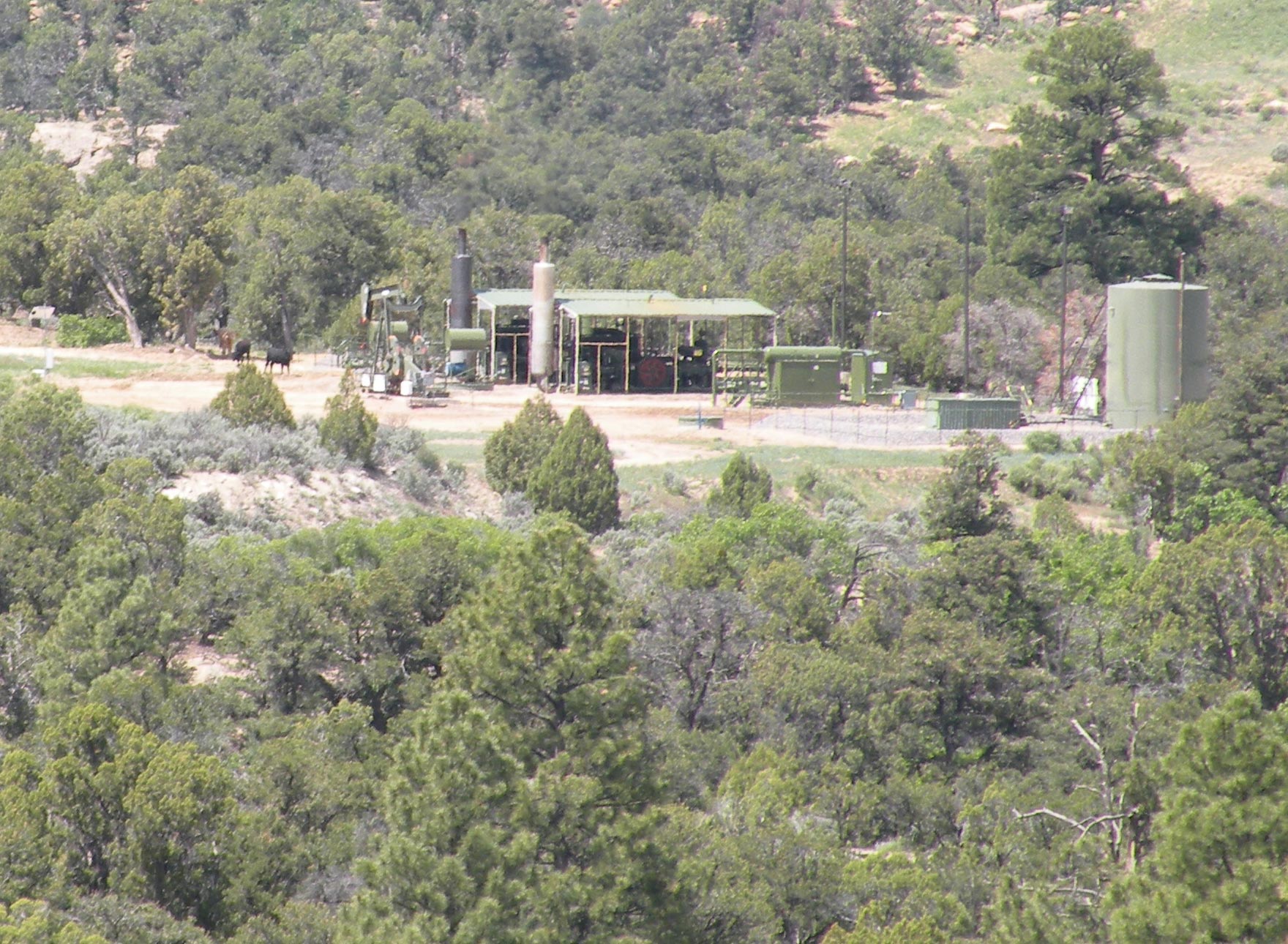
The region is home to thousands of natural gas wells, many of which are coupled with noisy compressors for extracting the gas and transporting it through pipelines.
The compressors roar and rumble day and night, every day of the year.
The advantage of working in natural gas sites is they allow scientists to study noise and its effects on wildlife without the confounding factors in noisy areas like roadways or cities, such as pollution from artificial light and chemicals, or collisions with cars.
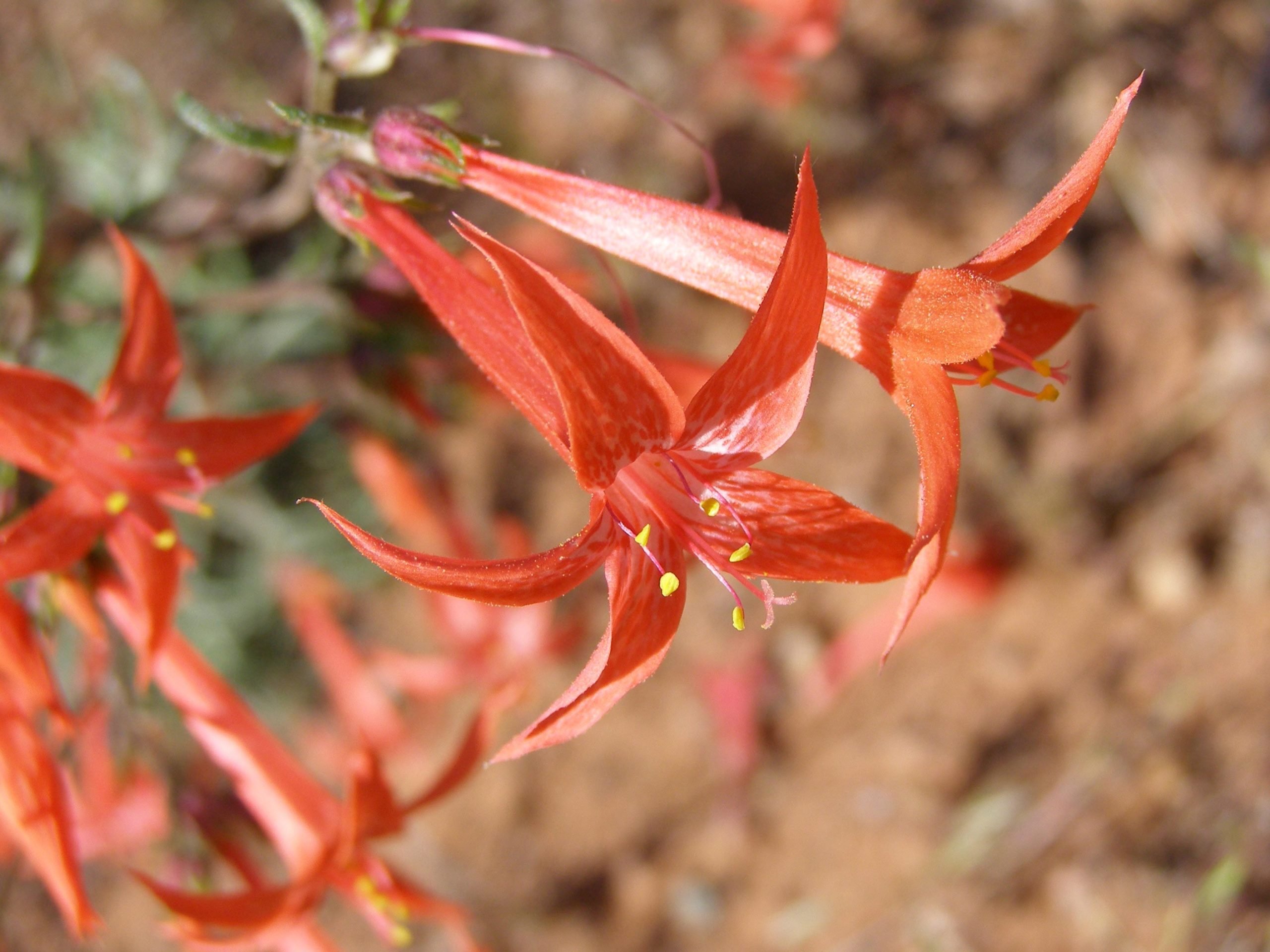
As part of their research, Francis and colleagues first conducted an experiment using patches of artificial plants designed to mimic a common red wildflower in the area called scarlet gilia.
Each patch consisted of five artificial plants with three “flowers” each — microcentrifuge tubes wrapped in red electrical tape — which were filled with a fixed amount of sugar water for nectar.
To help in estimating pollen transfer within and between the patches, the researchers also dusted the flowers of one plant per patch with artificial pollen, using a different color for each patch.
Din levels at noisy patches were similar to that of a highway heard from 500 meters away, Francis said.
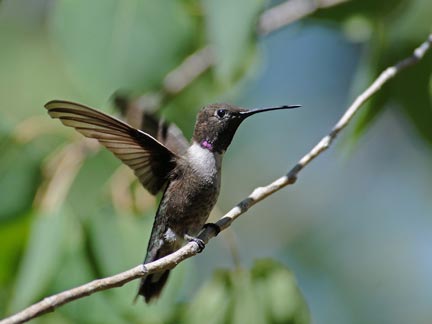
When the researchers compared the number of pollinator visits at noisy and quiet sites, they found that one bird species in particular — the black-chinned hummingbird — made five times more visits to noisy sites than quiet ones.
“Black-chinned hummingbirds may prefer noisy sites because another bird species that preys on their nestlings, the western scrub jay, tends to avoid those areas,” Francis said.
Pollen transfer was also more common in the noisy sites.
If more hummingbird visits and greater pollen transfer translate to higher seed production for the plants, the results suggest that “hummingbird-pollinated plants such as scarlet gilia may indirectly benefit from noise,” Francis said.
Another set of experiments revealed that noise may indirectly benefit some plants, but is bad news for others.
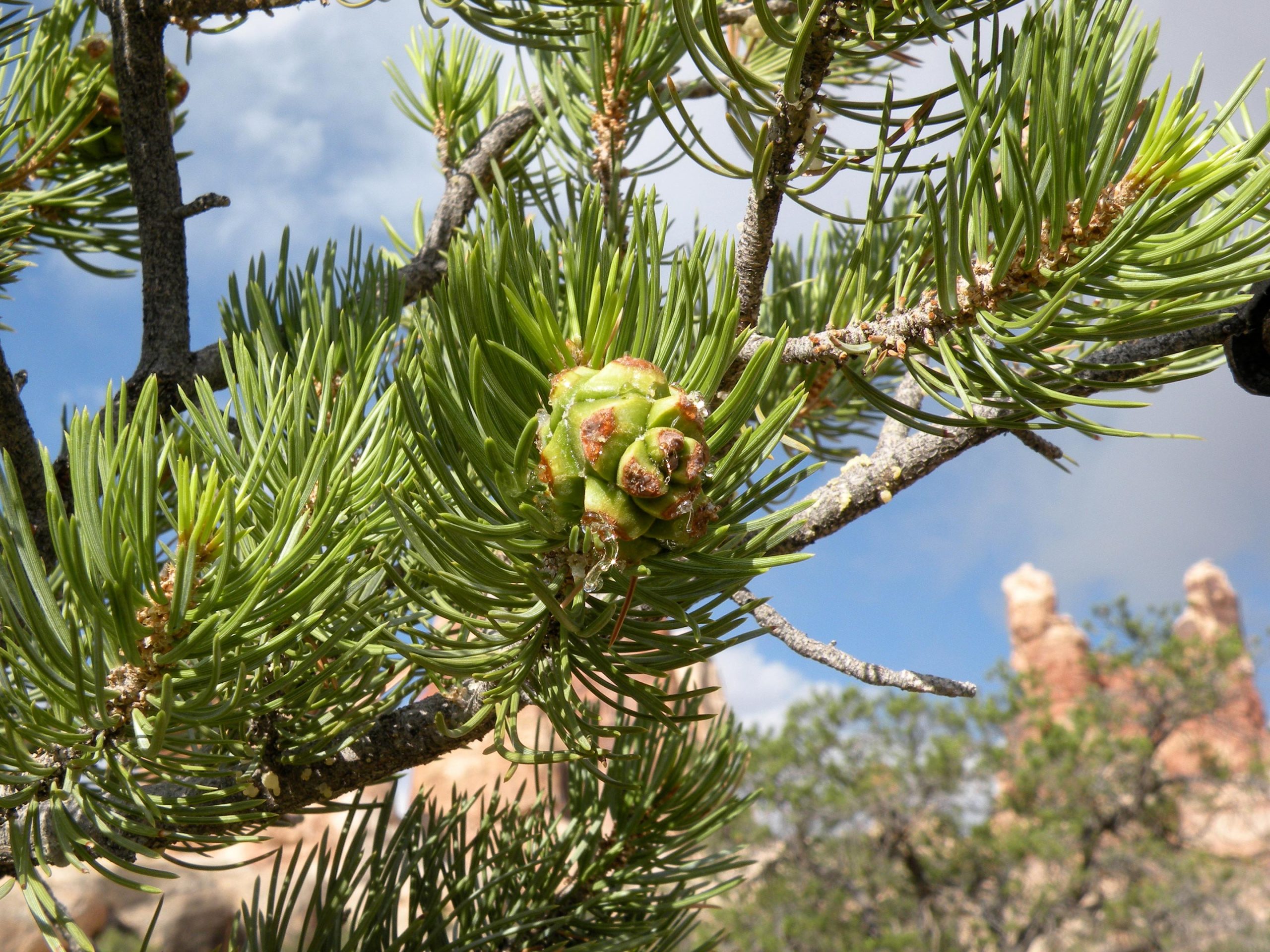
In a second series of experiments at the same study site, the researchers set out to discover what noise might mean for tree seeds and seedlings, using one of the dominant trees in the area — the piñon pine.
Piñon pine seeds that aren’t plucked from their cones fall to the ground and are eaten by birds and other animals.
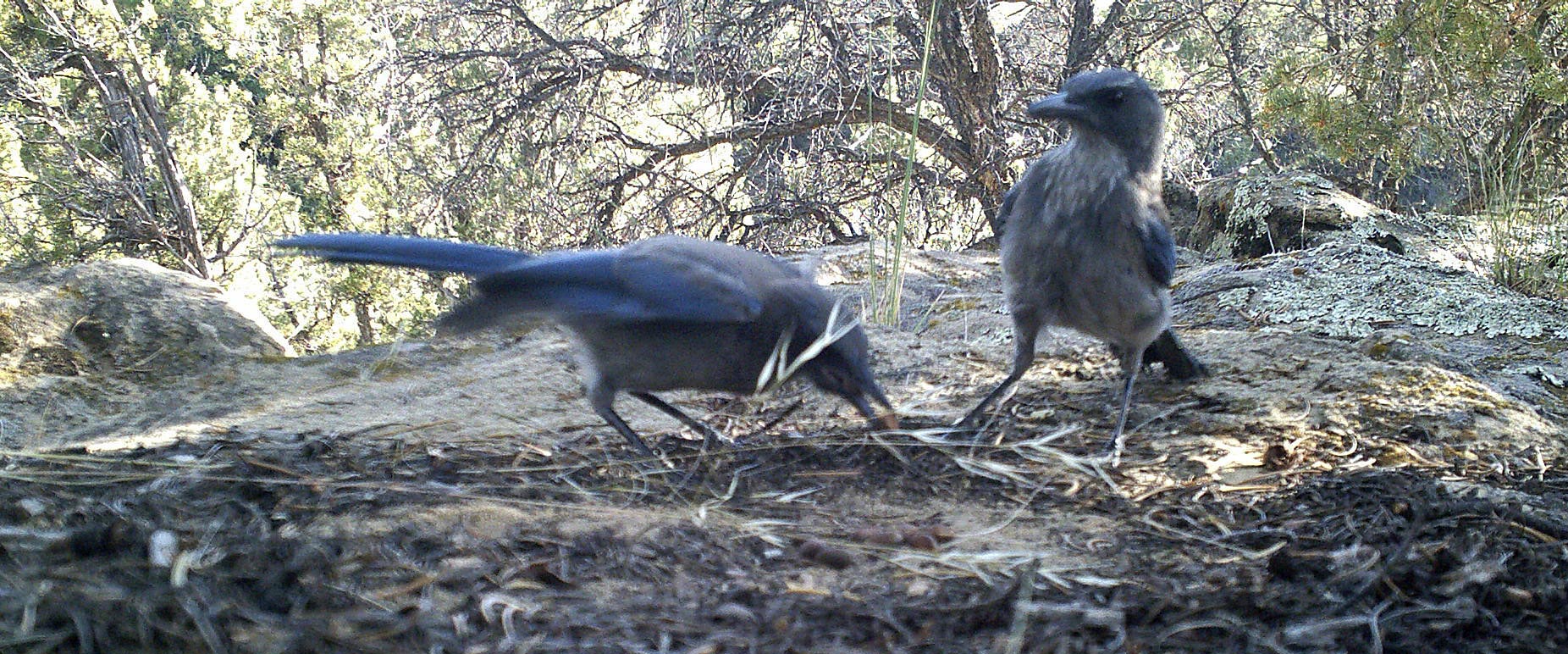
To find out if noise affected the number of piñon pine seeds that animals ate, the researchers scattered piñon pine seeds beneath 120 piñon pine trees in noisy and quiet sites, using a motion-triggered camera to figure out what animals took the seeds.
After three days, several animals were spotted feeding on the seeds, including mice, chipmunks, squirrels, birds and rabbits.
But two animals in particular differed between quiet and noisy sites — mice, which preferred noisy sites, and western scrub jays, which avoided them altogether.
Piñon pine seeds that are eaten by mice don’t survive the passage through the animal’s gut, Francis said, so the boost in mouse populations near noisy sites could be bad news for pine seedlings in those areas.
In contrast, a single western scrub jay may take hundreds to thousands of seeds, only to hide them in the soil to eat later in the year.
The seeds they fail to relocate will eventually germinate, so the preference of western scrub jays for quiet areas means that piñon pines in those areas are likely to benefit.
In keeping with their seed results, the researchers counted the number of piñon pine seedlings and found that they were four times as abundant in quiet sites compared with noisy ones.
It may take decades for a piñon pine to grow from a seedling into a full-grown tree, Francis said, so the consequences of noise may last longer than scientists thought.
“Fewer seedlings in noisy areas might eventually mean fewer mature trees, but because piñon pines are so slow-growing the shift could have gone undetected for years,” he said.
“Fewer piñon pine trees would mean less critical habitat for the hundreds of species that depend on them for survival.”
Reference: “Noise pollution alters ecological services: enhanced pollination and disrupted seed dispersal” by Clinton D. Francis, Nathan J. Kleist, Catherine P. Ortega and Alexander Cruz, 21 March 2012, Proceedings of the Royal Society B.
DOI: 10.1098/rspb.2012.0230
Other authors of the study include Catherine Ortega, most recently of Fort Lewis College, and Alexander Cruz and Nathan Kleist of the University of Colorado, Boulder.
Never miss a breakthrough: Join the SciTechDaily newsletter.
Follow us on Google and Google News.