
Close Menu
    Facebook X (Twitter) Instagram
    SciTechDaily
    • Biology
    • Chemistry
    • Earth
    • Health
    • Physics
    • Science
    • Space
    • Technology
    Facebook X (Twitter) Pinterest YouTube RSS
    SciTechDaily
    Home»Biology»Optical Illusions Have Long Mystified Neuroscientists – Now Explained in a Fly’s Eyes
    Biology

    Optical Illusions Have Long Mystified Neuroscientists – Now Explained in a Fly’s Eyes

    By Yale UniversityAugust 24, 20201 Comment3 Mins Read
    Facebook Twitter Pinterest Telegram LinkedIn WhatsApp Email Reddit
    Share
    Facebook Twitter LinkedIn Pinterest Telegram Email Reddit
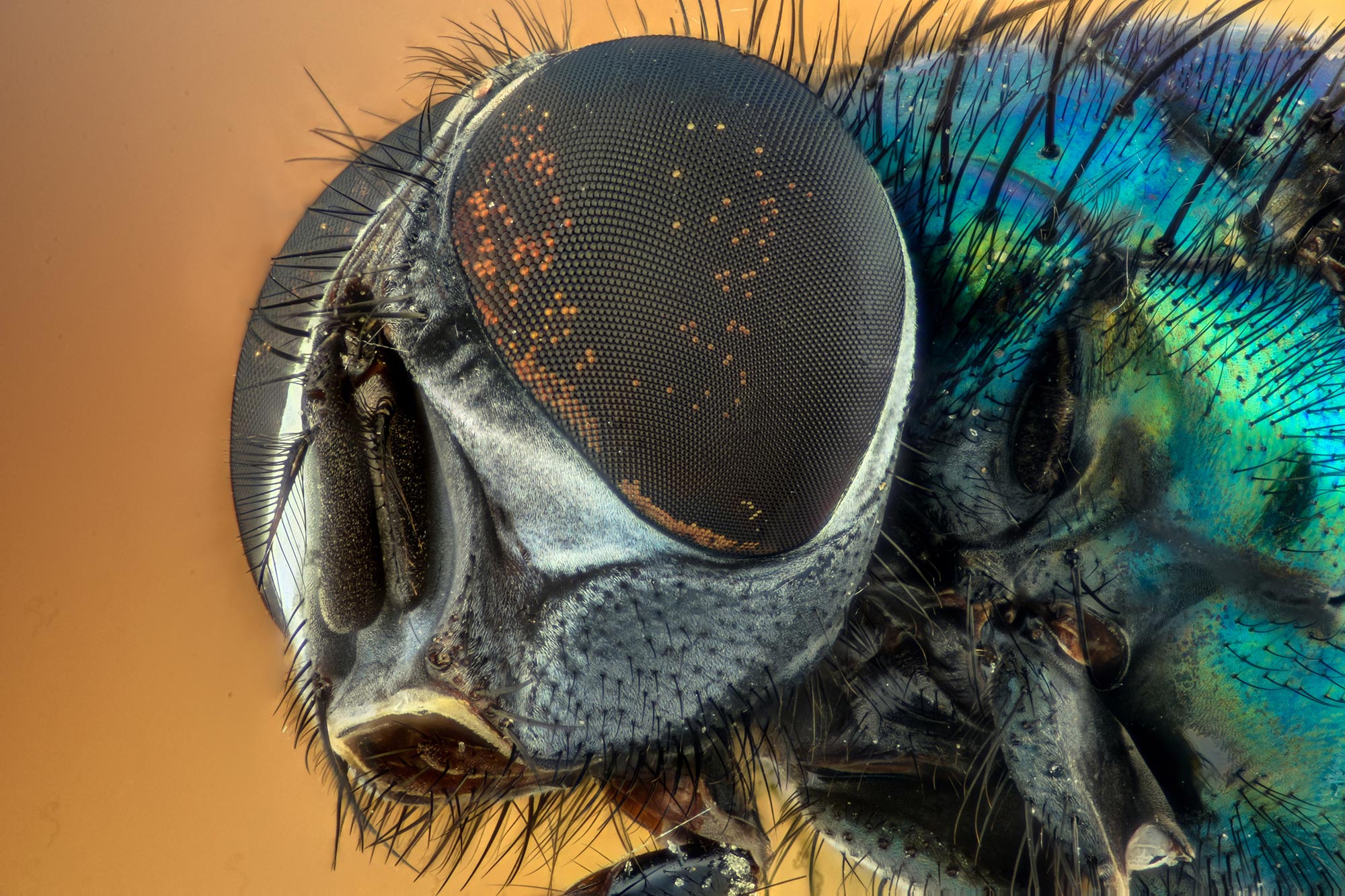
    Macro Fly Compound Eyes
    Despite a half-billion-year gap between their last common ancestor, flies and humans have developed similar motion perception strategies.

    Why people perceive motion in some static images has mystified not only those who view these optical illusions but neuroscientists who have tried to explain the phenomenon. Now Yale neuroscientists have found some answers in the eyes of flies, they report today (August 24, 2020) in the journal Proceedings of the National Academy of Sciences.

    It turns out that flies are fooled by optical illusions as easily as humans.

    “It was exciting to find that flies perceive motion in static images the same way we do,” said Damon Clark, associate professor of molecular, cellular and developmental biology and of physics and of neuroscience at Yale.
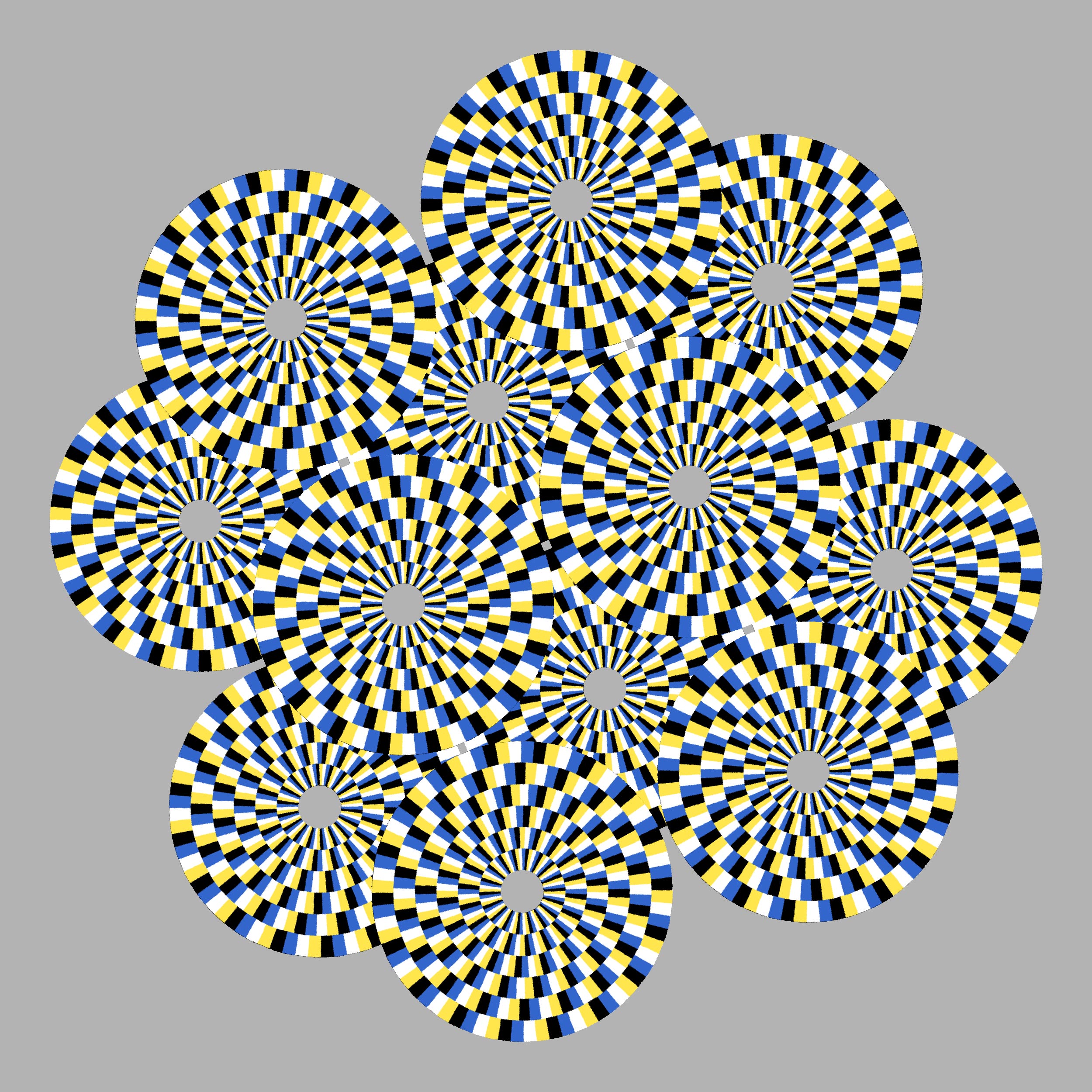
    Rotating Circles Optical Illustion
    In this stationary image, viewers should see the circles rotating in different directions. The effect is particularly pronounced when the viewer’s eyes move or blink. Credit: A. Kitaoka; illustrated by R. Tanaka

    The small brains of flies make it easy to track the activity of neurons in their visual system. Two members of Clark’s lab, Margarida Agrochao and Ryosuke Tanaka, presented flies with optical illusions similar to the one above. They then measured the flies’ behavior to check whether the insects perceive the motion in this optical illusion the same way humans do. Flies instinctively turn their bodies toward any perceived motion; when presented with the optical illusion, the flies turned in the same direction as the motion that humans perceive in the pattern.

    At the same time, the researchers examined specific neuron types that govern motion detection in flies and found a pattern of responses created by the static pattern. By turning those same neurons on and off, the researchers were able to change flies’ perception of illusory motion. By turning off two types of motion-detecting neurons, they eliminated the illusion entirely. By turning off just one of the two types, they created flies that perceived illusory motion in the opposite direction than they did with both neurons active. Based on this data the researchers theorized that the optical illusion results from small imbalances in how the different types of motion detectors contribute to how flies respond, or don’t respond, to illusions.

    Fraser-Wilcox Illusion
    The Fraser-Wilcox illusion arises from a simpler pattern than the one above. When viewers attend to this pattern while looking away from it, for instance looking elsewhere on the page or monitor, the pattern will appear to rotate slowly clockwise for some viewers. Flies are subject to a similar illusion of motion with this pattern. Credit: A. Kitaoka; illustrated by R. Tanaka

    Since there are similarities between fly and human visual processing, the researchers designed experiments to test whether the theory they developed for flies might also apply in humans. They asked 11 participants to tell them about the motion they saw in the visual illusion. Those experiments suggested — not surprisingly — that human visual systems are more complicated than flies’, but the results suggested a similar mechanism underlies this illusion of motion in humans.

    “The last common ancestor of flies and humans lived a half billion years ago, but the two species have evolved similar strategies for perceiving motion,” Clark said. “Understanding these shared strategies can help us more fully understand the human visual system.”

    Reference: “Mechanism for analogous illusory motion perception in flies and humans” by Margarida Agrochao, Ryosuke Tanaka, Emilio Salazar-Gatzimas and Damon A. Clark, 24 August 2020, Proceedings of the National Academy of Sciences.
    DOI: 10.1073/pnas.2002937117

    Never miss a breakthrough: Join the SciTechDaily newsletter.
    Follow us on Google and Google News.

    Cell Biology Entomology Molecular Biology Neuroscience Popular Yale University
    Share. Facebook Twitter Pinterest LinkedIn Email Reddit

    Related Articles

    “Eat Me!” – The Cell Signal of Death

    MeshCODE: Revolutionary New Theory for How Memories Are Stored in the Brain

    Scientists Find Neurochemicals – Dopamine and Serotonin – Have Unexpectedly Profound Roles in the Human Brain

    “Superpower” Discovered in Squids: They Can Massively Edit Their Own Genetics

    Scientists Create an Organism with a New Genetic Code

    New Research Changes the View about the Genetics of Leukemia Risk

    Researchers Identify Molecular Factors that Push the Domino of Life into Motion

    Scientists Grow Human Brain Tissue in a 3D Culture System

    A Closer Look at the Antifreeze Protein That Allows Siberian Beetles to Survive

    1 Comment

    1. Tony Davis on August 28, 2020 1:55 pm

      This “insect eye” is an important part of our visual processing, which takes place in the retina of the eye before the image is sent on to the brain. This preprocessed image looks like a very complex electromagnetic field. It can be seen superimposed on the image you see, but not easily. The painters of the Aztec Sun Stone made good use of it to create the energy of the sun in their painting. Scientist? Interested? [email protected] email me.

      Reply
    Leave A Reply Cancel Reply

    • Facebook
    • Twitter
    • Pinterest
    • YouTube

    Don't Miss a Discovery

    Subscribe for the Latest in Science & Tech!

    Trending News

    The Universe Is Expanding Too Fast and Scientists Can’t Explain Why

    “Like Liquid Metal”: Scientists Create Strange Shape-Shifting Material

    Early Warning Signals of Esophageal Cancer May Be Hiding in Plain Sight

    Common Blood Pressure Drug Shows Surprising Power Against Deadly Antibiotic-Resistant Superbug

    Scientists Uncover Dangerous Connection Between Serotonin and Heart Valve Disease

    Scientists Discover a “Protector” Protein That Could Help Reverse Hair Loss

    Bone-Strengthening Discovery Could Reverse Osteoporosis

    Scientists Uncover Hidden Trigger Behind Stem Cell Aging

    Follow SciTechDaily
    • Facebook
    • Twitter
    • YouTube
    • Pinterest
    • Newsletter
    • RSS
    SciTech News
    • Biology News
    • Chemistry News
    • Earth News
    • Health News
    • Physics News
    • Science News
    • Space News
    • Technology News
    Recent Posts
    • Scientists Stunned After Finding Plant Thought Extinct for 60 Years
    • A Common Diabetes Drug May Hold the Key to Stopping HIV From Coming Back
    • Ancient “Syphilis-Like” Disease in Vietnam Challenges Key Scientific Assumptions
    • Drinking Alcohol To Cope in Your 20s Could Damage Your Brain for Life
    • Scientists Crack Alfalfa’s Chromosome Mystery After Decades of Debate
    Copyright © 1998 - 2026 SciTechDaily. All Rights Reserved.
    • Science News
    • About
    • Contact
    • Editorial Board
    • Privacy Policy
    • Terms of Use

    Type above and press Enter to search. Press Esc to cancel.