
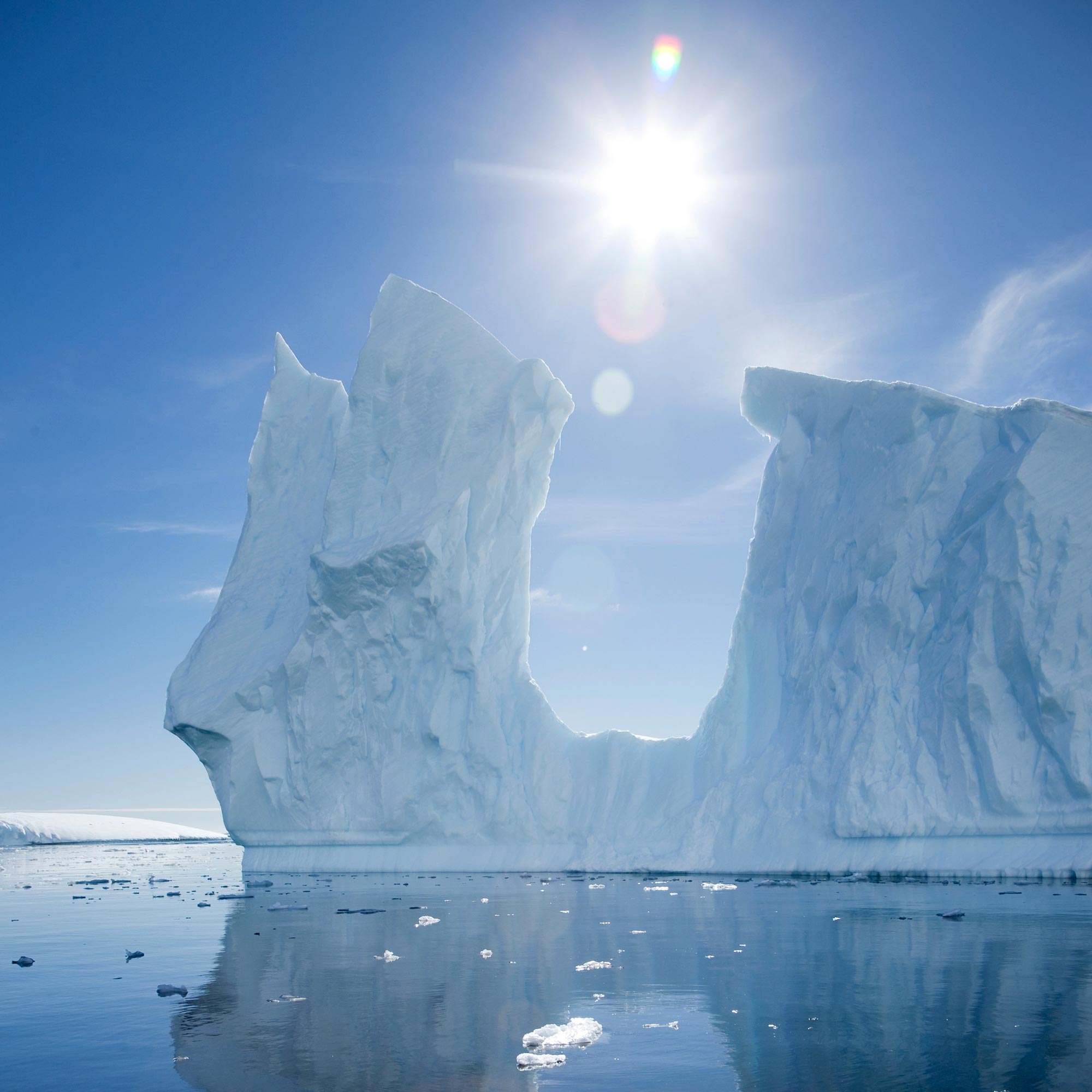
Antarctic ground-level ozone, a heat-trapping pollutant, has risen over 26 years due to both natural and human-related sources, posing climate risks.
Ozone is a pollutant at ground level, but very high in the atmosphere’s “ozone layer,” it absorbs damaging ultraviolet radiation. Past studies have examined ozone levels in the Southern Hemisphere, but little is known about levels of the molecule in Antarctica over long periods. Now, researchers reporting in ACS’ Environmental Science & Technology have analyzed more than 25 years of Antarctic data, finding that concentrations near the ground arose from both natural and human-related sources.
Ozone gas has a sharp or acrid scent that sometimes accompanies smog or summer storms. It forms when sunlight reacts with gases produced by industrial and transportation activities, biomass burning or with naturally produced gases originating from lightning and microorganisms. However, when sunlight is very strong, it breaks down the molecule. Most ozone resides about 9-18 miles (14.5-29 kilometers) above Earth in the ozone layer, an atmospheric band within the stratosphere that protects the Earth from harmful UV radiation. But ozone in the lower atmosphere, or troposphere, is harmful and causes smog and throat and lung irritation. It’s also a concern because the molecule traps heat 1,000 times better than carbon dioxide, and therefore, can have a large impact on global warming.
While previous researchers have shown the rise of ozone in the troposphere across the Southern Hemisphere, there has not been a regional study reported for the remote Antarctic continent over a long period. So, Jayanarayanan Kuttippurath and colleagues wanted to use measurements made over Antarctica to determine where the ozone comes from and how levels have changed over time.
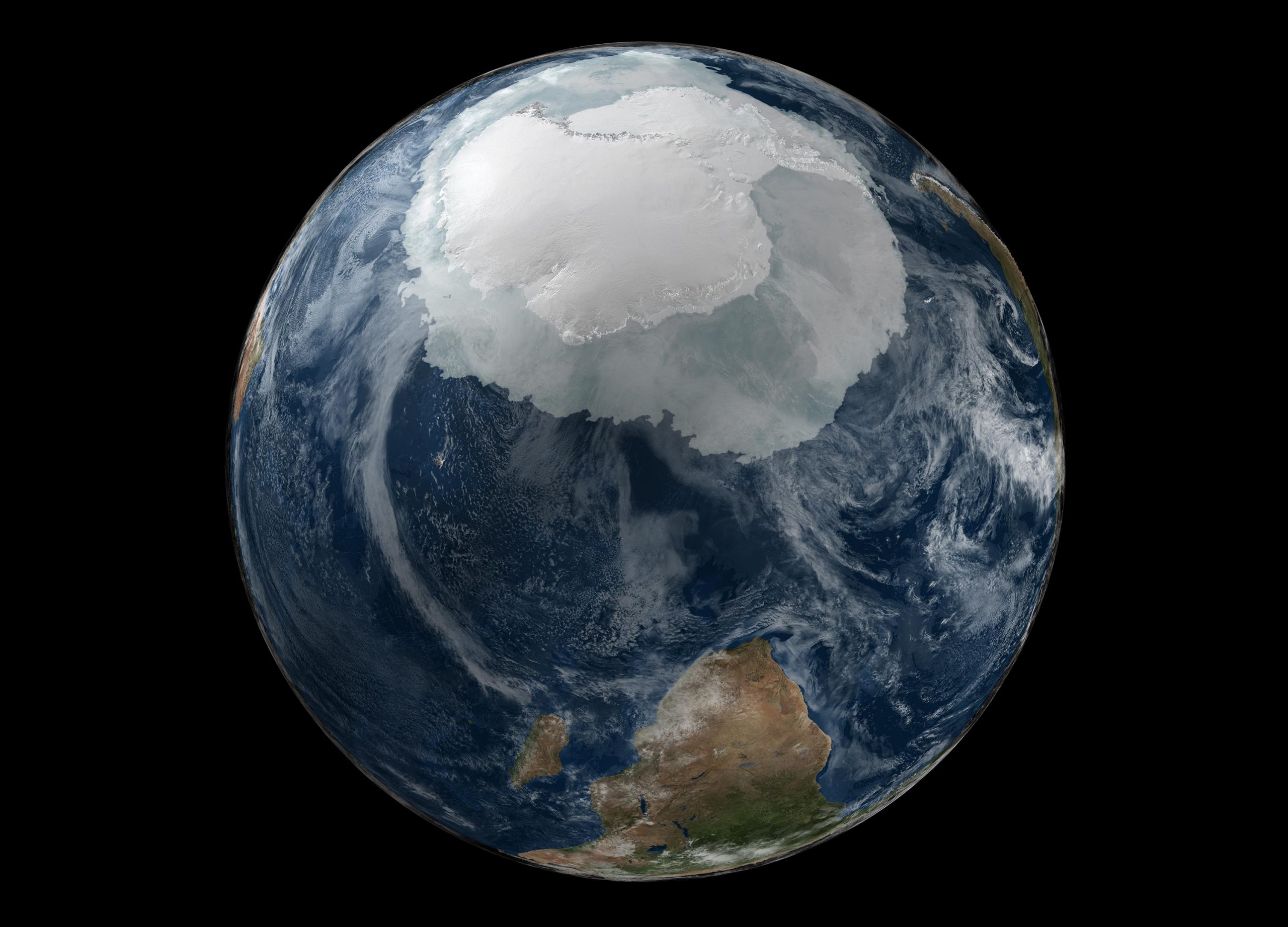
The researchers compiled ozone data measured between 1992 and 2018 at ground level and through the atmosphere, from the lower atmosphere into the ozone layer, at eight stations across Antarctica. Their analyses showed the amount of ozone throughout the troposphere was lowest during December, January, and February, corresponding to summer in the Southern Hemisphere when the sun is intense enough that it breaks apart more ozone than it creates. Dominant sources of ozone were both natural — from snow-pack on the large plateau in Eastern Antarctica and air mixing from the upper stratosphere to the troposphere — and from humans, as some originated from the southern tip of South America. The researchers also found that ozone at ground level had risen up to 0.14 ppb per year over the 26 years that were reviewed, even when accounting for seasonal and natural patterns. Because of ozone’s ability to hold heat near Earth’s surface, the increasing trend could have negative impacts on the region in the future, the researchers say.
Reference: “The Increasing Surface Ozone and Tropospheric Ozone in Antarctica and Their Possible Drivers” by Pankaj Kumar, Jayanarayanan Kuttippurath, Peter von der Gathen, Irina Petropavlovskikh, Bryan Johnson, Audra McClure-Begley, Paolo Cristofanelli, Paolo Bonasoni, Maria Elena Barlasina and Ricardo Sánchez, 16 June 2021, Environmental Science & Technology.
DOI: 10.1021/acs.est.0c08491
The authors acknowledge funding from the national bodies (U.S., Argentina, India, Italy, and Germany) that operate and maintain the ozone measurement facilities. They specifically acknowledge support from the Indian Institute of Technology Kharagpur, Indian National Centre for Ocean Information Services, Hyderabad and Ministry of Earth Science; Ministry of Education India; Indian Department of Science & Technology; University of Colorado; National Oceanic & Atmospheric Administration; Italian National Antarctic Research Program (PNRA) Projects; and Alfred Wegener Institute.
Never miss a breakthrough: Join the SciTechDaily newsletter.
Follow us on Google and Google News.
1 Comment
“…, but very high in the atmosphere’s “ozone layer,” it absorbs damaging ultraviolet radiation.”
Are you suggesting that it doesn’t absorb UV at ground level as well?