
Close Menu
    Facebook X (Twitter) Instagram
    SciTechDaily
    • Biology
    • Chemistry
    • Earth
    • Health
    • Physics
    • Science
    • Space
    • Technology
    Facebook X (Twitter) Pinterest YouTube RSS
    SciTechDaily
    Home»Biology»Pangolins, Not Snakes, May Be Missing Link in Coronavirus Jump From Bats to Humans
    Biology

    Pangolins, Not Snakes, May Be Missing Link in Coronavirus Jump From Bats to Humans

    By American Chemical SocietyMarch 27, 20201 Comment3 Mins Read
    Facebook Twitter Pinterest Telegram LinkedIn WhatsApp Email Reddit
    Share
    Facebook Twitter LinkedIn Pinterest Telegram Email Reddit
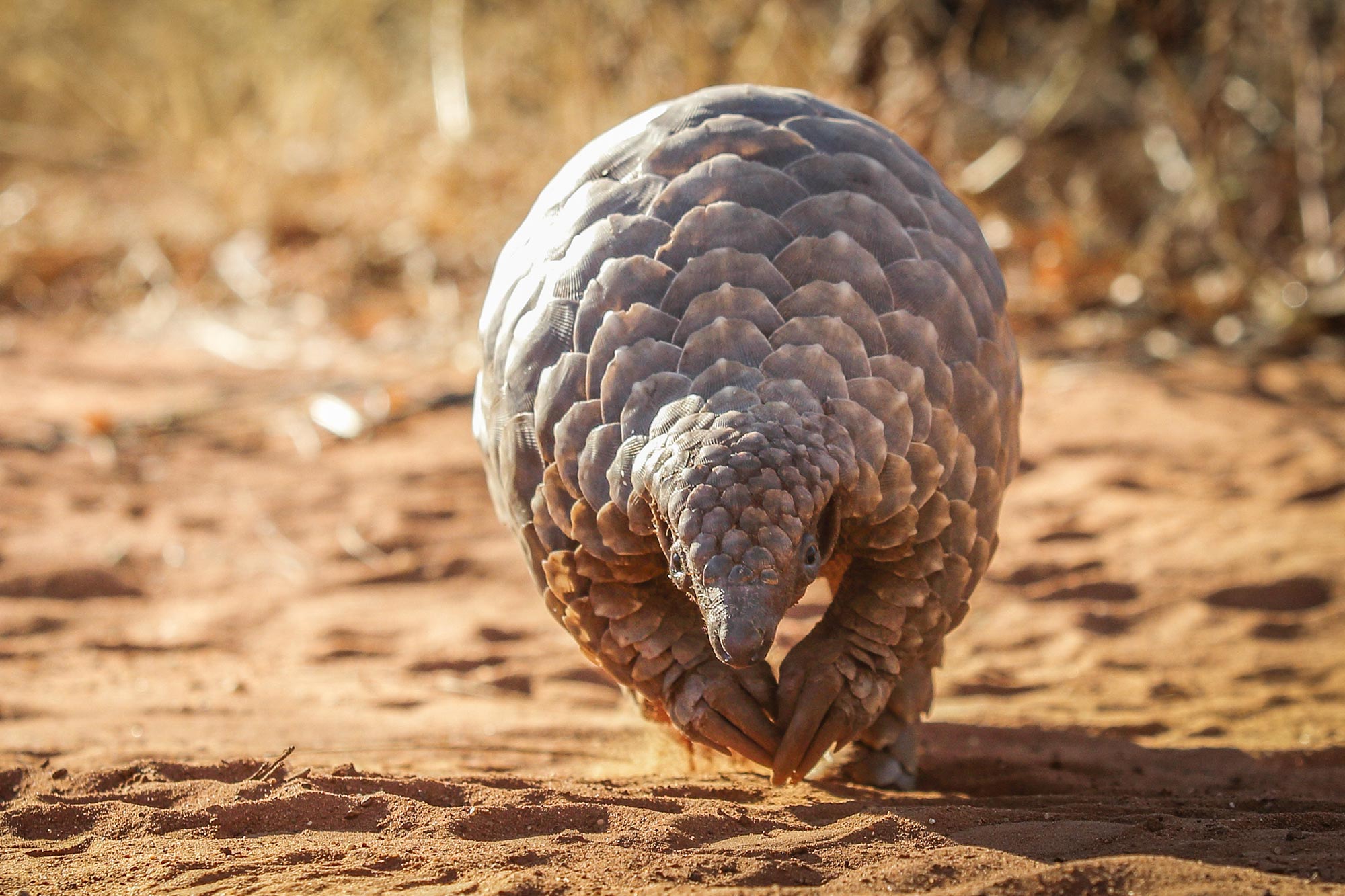
    Pangolin Front
    Pangolins, mammals of the order Pholidota, are scaly anteaters that have large, protective keratin scales covering their skin.

    As scientists scramble to learn more about the SARS-CoV-2 coronavirus, two recent studies of the virus’ genome reached controversial conclusions: namely, that snakes are intermediate hosts of the new virus, and that a key coronavirus protein shares “uncanny similarities” with an HIV-1 protein. Now, a study in ACS’ Journal of Proteome Research refutes both ideas and suggests that scaly, anteater-like animals called pangolins are the missing link for SARS-CoV-2 transmission between bats and humans.
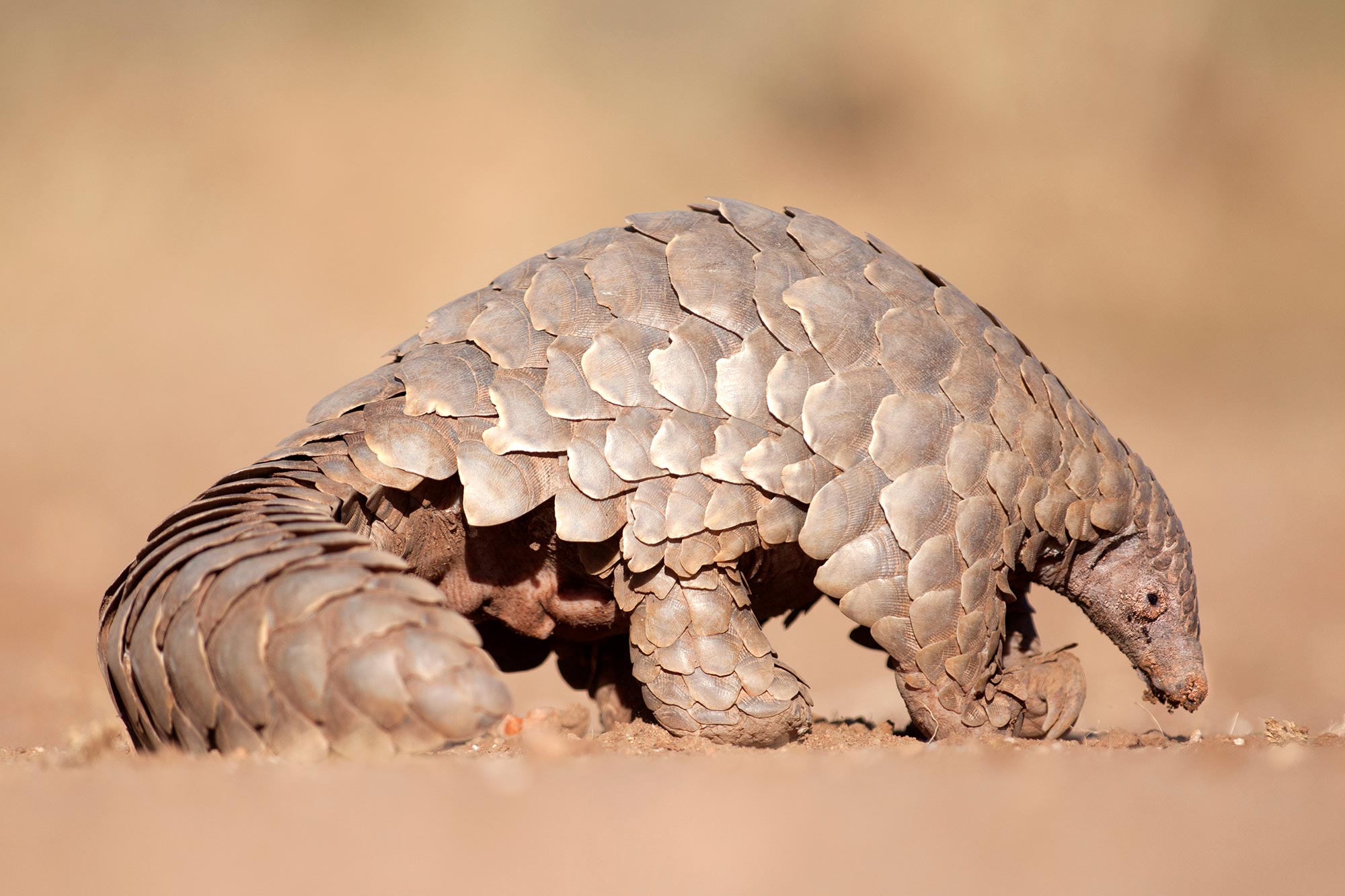
    Pangolin
    Pangolins are threatened by poaching, as their meat and scales are used in Chinese traditional medicine.

    Understanding where SARS-CoV-2 — the virus that caused the COVID-19 pandemic — came from and how it spreads is important for its control and treatment. Most experts agree that bats are a natural reservoir of SARS-CoV-2, but an intermediate host was needed for it to jump from bats to humans. A recent study that analyzed the new virus’ genome suggested snakes as this host, despite the fact that coronaviruses are only known to infect mammals and birds. Meanwhile, an unrelated study compared the sequence of the spike protein — a key protein responsible for getting the virus into mammalian cells — of the new coronavirus to that of HIV-1, noting unexpected similarities. Although the authors withdrew this preprint manuscript after scientific criticism, it spawned rumors and conspiracy theories that the new coronavirus could have been engineered in a lab. Yang Zhang and colleagues wanted to conduct a more careful and complete analysis of SARS-CoV-2 DNA and protein sequences to resolve these issues.
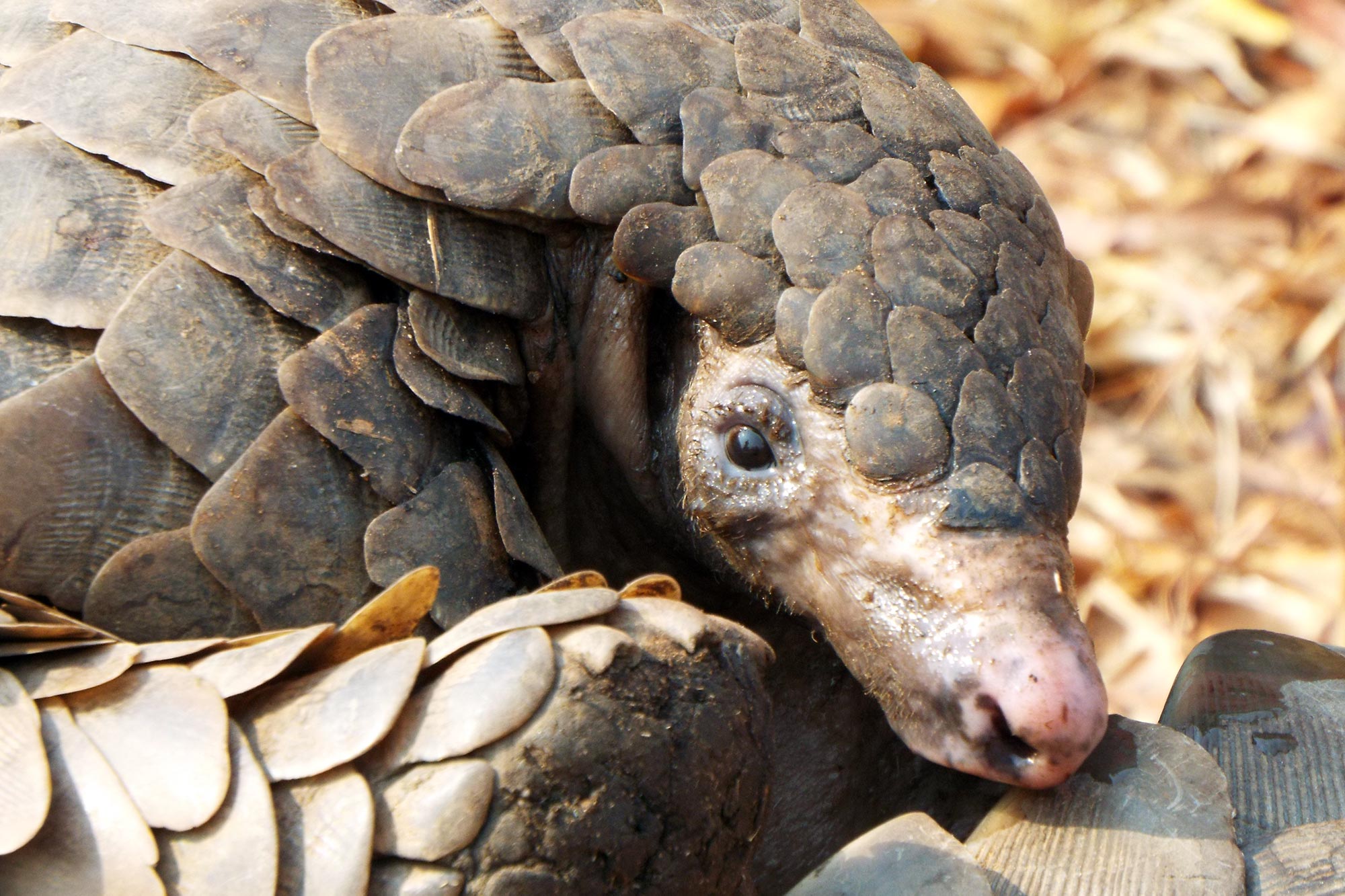
    Pangolin Close Up
    Pangolins are nocturnal, live in hollow trees or burrows, and their diet consists of mainly ants and termites, which they capture using their long tongues.

    Compared to the previous studies, the researchers used larger data sets and newer, more accurate bioinformatics methods and databases to analyze the SARS-CoV-2 genome. They found that, in contrast to the claim that four regions of the spike protein were uniquely shared between SARS-CoV-2 and HIV-1, the four sequence segments could be found in other viruses, including bat coronavirus. After uncovering an error in the analysis that suggested snakes as an intermediate host, the team searched DNA and protein sequences isolated from pangolin tissues for ones similar to SARS-CoV-2. The researchers identified protein sequences in sick animals’ lungs that were 91% identical to the human virus’ proteins. Moreover, the receptor binding domain of the spike protein from the pangolin coronavirus had only five amino acid differences from SARS-CoV-2, compared with 19 differences between the human and bat viral proteins. This evidence points to the pangolin as the most likely intermediate host for the new coronavirus, but additional intermediate hosts could be possible, the researchers say.

    Reference: “Protein Structure and Sequence Reanalysis of 2019-nCoV Genome Refutes Snakes as Its Intermediate Host and the Unique Similarity between Its Spike Protein Insertions and HIV-1” by Chengxin Zhang, Wei Zheng, Xiaoqiang Huang, Eric W. Bell, Xiaogen Zhou and Yang Zhang, 22 March 2020, Journal of Proteome Research.
    DOI: 10.1021/acs.jproteome.0c00129

    The authors acknowledge funding from the National Science Foundation, the National Institute of General Medical Sciences, the National Institute of Allergy and Infectious Diseases and the Extreme Science and Engineering Discovery Environment.

    For more on this topic, read Unlocking the Genetic Code of the Novel Coronavirus: How COVID-19 Made the Leap From Animals to Humans.

    Never miss a breakthrough: Join the SciTechDaily newsletter.
    Follow us on Google and Google News.

    American Chemical Society Biochemistry COVID-19 DNA Popular Virology
    Share. Facebook Twitter Pinterest LinkedIn Email Reddit

    Related Articles

    How Three Mutations Work Together To Spur New COVID-19 Variants

    COVID-19: Achilles’ Heel of SARS-CoV-2 Viral RNA Identified

    Scientists Have Discovered an Achilles Heel of the Coronavirus

    New Research Finds SARS-CoV-2 (the Virus That Causes COVID-19) Jumped From Bats to Humans Without Much Change

    Scientists Discover Sugar Molecules in SARS-CoV-2 Coronavirus Spike Protein Play Active Role in Infection

    Specialized Proteins May Halt the Severe Cytokine Storms Seen in COVID-19 Patients

    New COVID-19 Test Accurately Detects Viral DNA in Minutes

    Does Soap Actually ‘Kill’ the Coronavirus? Here’s the Chemistry [Video]

    Synthesizing a Flu Vaccine Without the Virus

    1 Comment

    1. Douglas Skoyles on March 27, 2020 3:34 pm

      I just told someone yesterday that I thought pangolins were the source animal and , today, this article. I feel prescient!

      Reply
    Leave A Reply Cancel Reply

    • Facebook
    • Twitter
    • Pinterest
    • YouTube

    Don't Miss a Discovery

    Subscribe for the Latest in Science & Tech!

    Trending News

    Artificial Sweeteners May Harm Future Generations, Study Suggests

    Splashdown! NASA Artemis II Returns From Record-Breaking Moon Mission

    What If Consciousness Exists Beyond Your Brain

    Scientists Finally Crack the 100-Million-Year Evolutionary Mystery of Squid and Cuttlefish

    Beyond “Safe Levels”: Study Challenges What We Know About Pesticides and Cancer

    Researchers Have Found a Dietary Compound That Increases Longevity

    Scientists Baffled by Bizarre “Living Fossil” From 275 Million Years Ago

    Your IQ at 23 Could Predict Your Wealth at 27, Study Finds

    Follow SciTechDaily
    • Facebook
    • Twitter
    • YouTube
    • Pinterest
    • Newsletter
    • RSS
    SciTech News
    • Biology News
    • Chemistry News
    • Earth News
    • Health News
    • Physics News
    • Science News
    • Space News
    • Technology News
    Recent Posts
    • Why Losing Too Much Fat Can Be Just As Dangerous as Obesity
    • Beef vs. Chicken: Surprising Results From New Prediabetes Study
    • Alzheimer’s Breakthrough: Scientists Discover Key Protein May Prevent Toxic Protein Clumps in the Brain
    • Scientists Discover New Way To Make Protein Shakes Taste Better
    • Scientists Break Optical Limits With Quantum Dot-Powered Nanoscopy
    Copyright © 1998 - 2026 SciTechDaily. All Rights Reserved.
    • Science News
    • About
    • Contact
    • Editorial Board
    • Privacy Policy
    • Terms of Use

    Type above and press Enter to search. Press Esc to cancel.