
Close Menu
    Facebook X (Twitter) Instagram
    SciTechDaily
    • Biology
    • Chemistry
    • Earth
    • Health
    • Physics
    • Science
    • Space
    • Technology
    Facebook X (Twitter) Pinterest YouTube RSS
    SciTechDaily
    Home»Biology»Paralyzed Dog Walks Again Thanks to Stem Cell Transplant
    Biology

    Paralyzed Dog Walks Again Thanks to Stem Cell Transplant

    By SciTechDailyNovember 20, 2012No Comments3 Mins Read
    Facebook Twitter Pinterest Telegram LinkedIn WhatsApp Email Reddit
    Share
    Facebook Twitter LinkedIn Pinterest Telegram Email Reddit
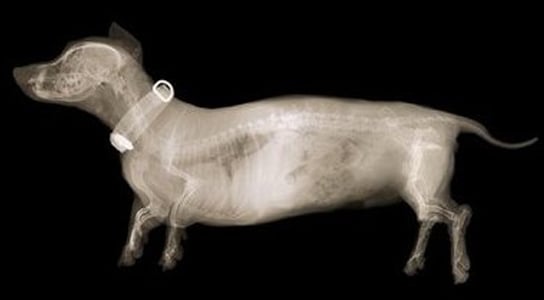
    dachshund-xray
    Dogs that suffered severe spinal cord injuries and received stem cell injections showed significant improvement.

    Researchers have used pet dogs, with real injuries, to test a treatment that involved transplanting cells from the lining of the nose and injecting them into the spine in an attempt to bridge the damage in their spinal column.

    The scientists published their findings in the journal Brain. This was the first randomized controlled trial using this technique, so neither the vet nor the owner knew if they were receiving the real treatment. Early trials in humans with injuries like this have established that the procedure is safe.

    The 34 pet dogs had all suffered severe spinal cord injury, which twelve months or more after the injury, left them unable to use their back legs and unable to feel pain in their hindquarters. The dogs had olfactory ensheathing cells (OECs) taken from their noses and cultured for further growth. These cells are found in the back of the nasal cavity, the only part of the body where nerve fibers continue to grow into adulthood.

    After receiving the injections as part of the trial, the dogs were tested at one-month intervals on a treadmill while being supported in a harness. The scientists analyzed the dogs’ ability to coordinate movement between their front and back limbs.

    The group of dogs that received the stem cell injection showed a considerable improvement, which wasn’t seen in the other group.

    Professor Robin Franklin, a co-author of the study said: “Our findings are extremely exciting because they show for the first time that transplanting these types of cells into a severely damaged spinal cord can bring about significant improvement. We’re confident that the technique might be able to restore at least a small amount of movement in human patients with spinal cord injuries but that’s a long way from saying they might be able to regain all lost function. It’s more likely that this procedure might one day be used as part of a combination of treatments, alongside drug and physical therapies, for example.”

    The head of Regenerative Medicine at the MRC, Dr. Rob Buckle, said: “This proof of concept study on pet dogs with the type of injury sustained by human spinal patients is tremendously important and an excellent basis for further research in an area where options for treatment are extremely limited. It’s a great example of collaboration between veterinary and regenerative medicine researchers that has had an excellent outcome for the pet participants and potentially for human patients.”

    Reference: “Autologous olfactory mucosal cell transplants in clinical spinal cord injury: a randomized double-blinded trial in a canine translational model” by Nicolas Granger, Helen Blamires, Robin J. M. Franklin and Nick D. Jeffery, 20 November 2012, Brain.
    DOI: 10.1093/brain/aws268

    Never miss a breakthrough: Join the SciTechDaily newsletter.
    Follow us on Google and Google News.

    Injury Neurology Popular Spinal Cord Stem Cells
    Share. Facebook Twitter Pinterest LinkedIn Email Reddit

    Related Articles

    New Genetic Study Links Stem Cell Mutations to Hydrocephalus

    Mesenchymal Stem Cell-Derived Exosomes Aid Spinal Cord Recovery

    Using Urine to Make Brain Cells

    Stem Cells Help Re-grow Healthy Heart Muscle After Heart Attack

    Researchers Use Human Neurons to Investigate Parkinson’s Disease

    Scientists Create Brain Cells from Skin Cells

    Working To Save Infants, Researchers Transform Stem Cells Into Cells That Form Blood Vessels

    Neuroscientists Decode Correlation Between Sound and Brain Activity

    Scientists Create Stem-Cell-Derived Neurons from Alzheimer’s Disease

    Leave A Reply Cancel Reply

    • Facebook
    • Twitter
    • Pinterest
    • YouTube

    Don't Miss a Discovery

    Subscribe for the Latest in Science & Tech!

    Trending News

    Just 10 Minutes a Day: Scientists Say This Ancient Chinese Practice Shows Powerful Blood Pressure Benefits

    Scientists Say This Popular Food Could Help Your Body Get Rid of Microplastics

    For the First Time, ChatGPT Has Solved an Unproven Math Problem in Geometry

    This Popular Supplement May Actually Slow Biological Aging, Scientists Reveal

    Can a Common Vitamin Fight the Most Aggressive Brain Cancer?

    Scientists Discover How to Stop Vision Loss Before It Starts

    The Mediterranean Isn’t Safe: Scientists Warn of Inevitable Tsunami

    Scientists Say Washing Dishes With a Sponge Has a Concerning Side Effect

    Follow SciTechDaily
    • Facebook
    • Twitter
    • YouTube
    • Pinterest
    • Newsletter
    • RSS
    SciTech News
    • Biology News
    • Chemistry News
    • Earth News
    • Health News
    • Physics News
    • Science News
    • Space News
    • Technology News
    Recent Posts
    • Widely Available Drug Found To Ease One of Long COVID’s Most Stubborn Symptoms
    • New Study Finds Internalized Stress May Accelerate Cognitive Decline
    • Stopping Weight-Loss Drugs Like Ozempic Can Quickly Erase Heart Benefits
    • A 500-Million-Year-Old Surprise Is Forcing Scientists to Rethink Spider Evolution
    • Ancient Carbon Is Flooding Arctic Rivers As Permafrost Melts Faster
    Copyright © 1998 - 2026 SciTechDaily. All Rights Reserved.
    • Science News
    • About
    • Contact
    • Editorial Board
    • Privacy Policy
    • Terms of Use

    Type above and press Enter to search. Press Esc to cancel.