
Close Menu
    Facebook X (Twitter) Instagram
    SciTechDaily
    • Biology
    • Chemistry
    • Earth
    • Health
    • Physics
    • Science
    • Space
    • Technology
    Facebook X (Twitter) Pinterest YouTube RSS
    SciTechDaily
    Home»Earth»Pelican Island: America’s First National Wildlife Refuge
    Earth

    Pelican Island: America’s First National Wildlife Refuge

    By Adam Voiland, NASA Earth ObservatoryFebruary 1, 20211 Comment3 Mins Read
    Facebook Twitter Pinterest Telegram LinkedIn WhatsApp Email Reddit
    Share
    Facebook Twitter LinkedIn Pinterest Telegram Email Reddit
    Indian River Lagoon Annotated
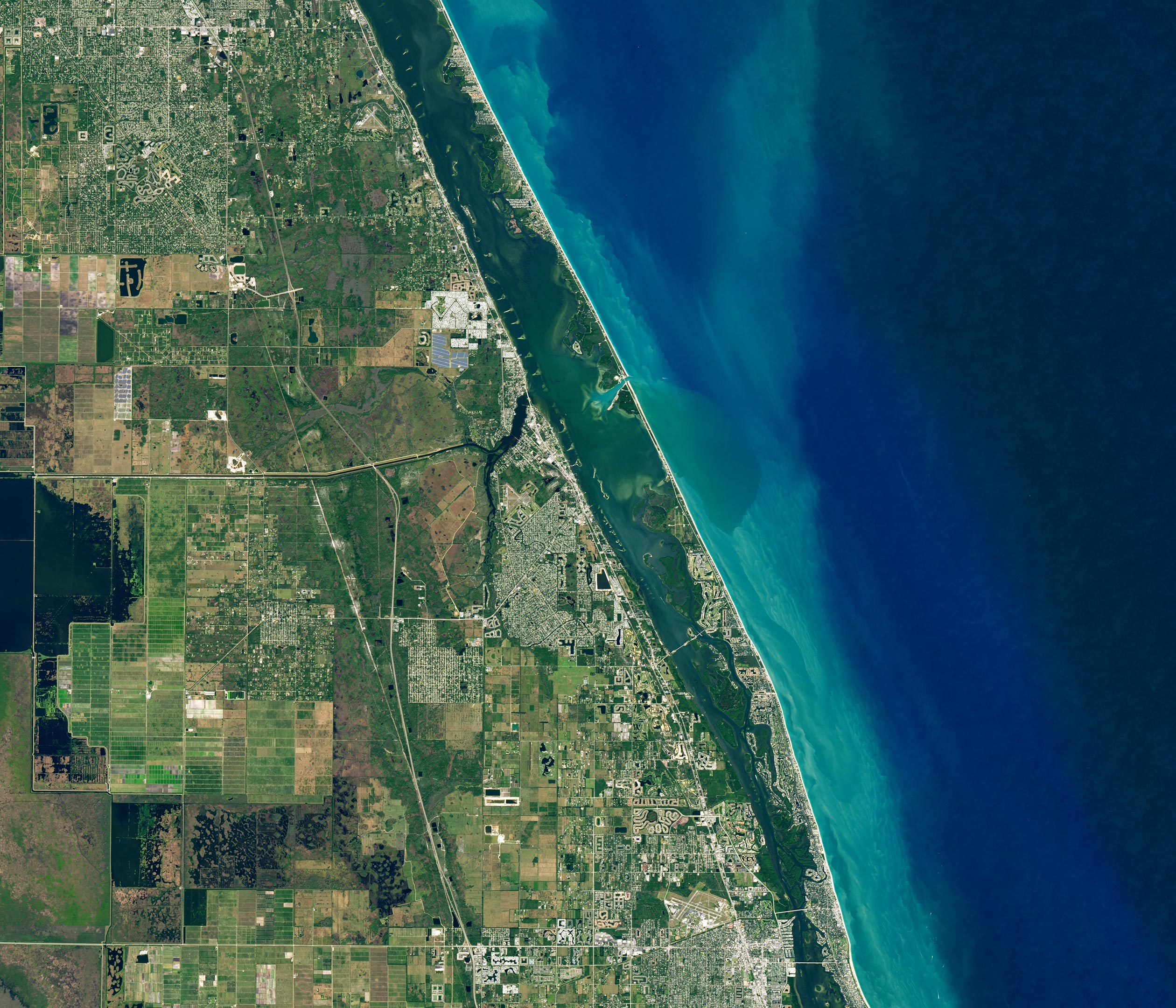
    Indian River Lagoon, January 5, 2021. (Click image for wider, high-resolution view.)

    A bird-loving farmer living near Florida’s Pelican Island helped spur the creation of a national system of wildlife refuges.

    Elaborate feathered hats—sometimes festooned with whole birds—were fashionable in the Victorian era. At the height of the trend, certain plume feathers were worth more than their weight in gold. As a result, hunters killed millions of birds every year, pushing some species to the brink of extinction.

    The Indian River Lagoon on Florida’s Atlantic coast—seen here in a Landsat 8 image—was a prime hunting ground. Because it straddles temperate and subtropical climate zones, the shallow estuary was (and still is) among the most biodiverse in the United States. The area supports more than 300 bird species, including large populations of egrets, herons, spoonbills, and other showy wading birds that frequent the lagoon to stalk fish and nest in its dense thickets of mangroves.

    One small, uninhabited island in the lagoon was well known for the brown pelicans that lived there. The pelican colony was so large that a layer of white guano often blanketed the island, making it appear as if snow had recently fallen, as one naturalist noted in 1879. It was not just plume hunters who were after the birds. Fisherman also slaughtered pelicans whenever they could for fear that the birds were stealing their catch.

    By 1902, the island had the only surviving brown pelican colony on Florida’s Atlantic coast. With populations of other species also dwindling, a local farmer and bird lover named Paul Kroegel took action. When hunters showed up in the area, he would sail out to greet them with a double-barreled shotgun and encourage them to move along, putting his life in danger in the process.

    Word of Kroegel’s efforts made their way to professional ornithologists and eventually to President Theodore Roosevelt. Disturbed by the killing of so many of Florida’s birds, Roosevelt signed in executive order in 1903 making Pelican Island a federal bird reservation, with Kroegel soon named as the first warden. The protected area later became the first unit of America’s national system of wildlife refuges. Though he was paid only $1 per month, Kroegel took the warden position seriously, upgrading from a sailboat to a motorboat for his patrols, and installing a large American flag near the island.

    Though hurricanes eventually drove the pelicans away and Kroegel out of a job, the system of national wildlife refuges spread widely. Today there are more than 567 national wildlife refuges—including 29 in Florida—protecting plants and animals on more than 150 million acres of land and water.

    NASA Earth Observatory image by Lauren Dauphin, using Landsat data from the U.S. Geological Survey.

    Never miss a breakthrough: Join the SciTechDaily newsletter.
    Follow us on Google and Google News.

    Birds Conservation Ecology Geography History NASA NASA Earth Observatory
    Share. Facebook Twitter Pinterest LinkedIn Email Reddit

    Related Articles

    Laguna Ojo de Liebre: A Salty Sanctuary in Baja California Sur

    Paleozoic Plymouths: Plymouth, Massachusetts, and Plymouth, England, Share a Historical Connection Even Older Than the First Thanksgiving

    Burst of New Geochemical Evidence for Viking Travels Exactly 1,000 Years Ago

    Halloween on the Hudson: Sleepy Hollow, a Headless Horseman, and Tectonic Collisions

    From Automobiles to Armstrong: Cleveland’s Urban Layout Has Evolved As Time and Technology Have Advanced

    Changing Atlanta: Martin Luther King Jr. Came of Age in One of the Fastest Growing Cities in the United States

    Elephant Island: The Incredible Survival Story of Ernest Shackleton and the Crew of HMS Endurance

    Ecologically Important El Bibane Lagoon Photographed by Astronaut Aboard the Space Station

    Meandering Mississippi River: Photo Taken by Astronaut on Space Station Shows Divergence From State Boundaries

    1 Comment

    1. The 10th Man on February 1, 2021 6:03 am

      That’s mans nature right there. You’ll never stop our nature, so use it to our advantage somehow. just sayin’…..

      Reply
    Leave A Reply Cancel Reply

    • Facebook
    • Twitter
    • Pinterest
    • YouTube

    Don't Miss a Discovery

    Subscribe for the Latest in Science & Tech!

    Trending News

    Scientists Uncover Potential Brain Risks of Popular Fish Oil Supplements

    Scientists Discover a Surprising Way To Make Bread Healthier and More Nutritious

    After 60 Years, Scientists Uncover Unexpected Brain Effects of Popular Diabetes Drug Metformin

    New Research Uncovers Hidden Side Effects of Popular Weight-Loss Drugs

    Scientists Rethink Extreme Warming After Surprising Ocean Discovery

    Landmark Study Links Never Marrying to Significantly Higher Cancer Risk

    Researchers Discover Unknown Beetle Species Just Steps From Their Lab

    Largest-Ever Study Finds Medicinal Cannabis Ineffective for Anxiety, Depression, PTSD

    Follow SciTechDaily
    • Facebook
    • Twitter
    • YouTube
    • Pinterest
    • Newsletter
    • RSS
    SciTech News
    • Biology News
    • Chemistry News
    • Earth News
    • Health News
    • Physics News
    • Science News
    • Space News
    • Technology News
    Recent Posts
    • A Simpler Path to Super-Resolution: Scientists Reinvent Microscopy
    • Scientists Uncover Hidden Genetic Cause of Diabetes in Babies
    • Amazonian Chocolate Could Become the Next Superfood, Scientists Say
    • Challenging the Narrative: New Study Shows U.S. Life Expectancy Is Rising Across All States
    • Mystery Illness Kills 5 in Burundi As Doctors Scramble for Answers
    Copyright © 1998 - 2026 SciTechDaily. All Rights Reserved.
    • Science News
    • About
    • Contact
    • Editorial Board
    • Privacy Policy
    • Terms of Use

    Type above and press Enter to search. Press Esc to cancel.