
Close Menu
    Facebook X (Twitter) Instagram
    SciTechDaily
    • Biology
    • Chemistry
    • Earth
    • Health
    • Physics
    • Science
    • Space
    • Technology
    Facebook X (Twitter) Pinterest YouTube RSS
    SciTechDaily
    Home»Health»People Who Eat Chili Pepper May Live Longer – Reduced Risk of Dying From Cardiovascular Disease or Cancer
    Health

    People Who Eat Chili Pepper May Live Longer – Reduced Risk of Dying From Cardiovascular Disease or Cancer

    By American Heart AssociationNovember 9, 20203 Comments4 Mins Read
    Facebook Twitter Pinterest Telegram LinkedIn WhatsApp Email Reddit
    Share
    Facebook Twitter LinkedIn Pinterest Telegram Email Reddit
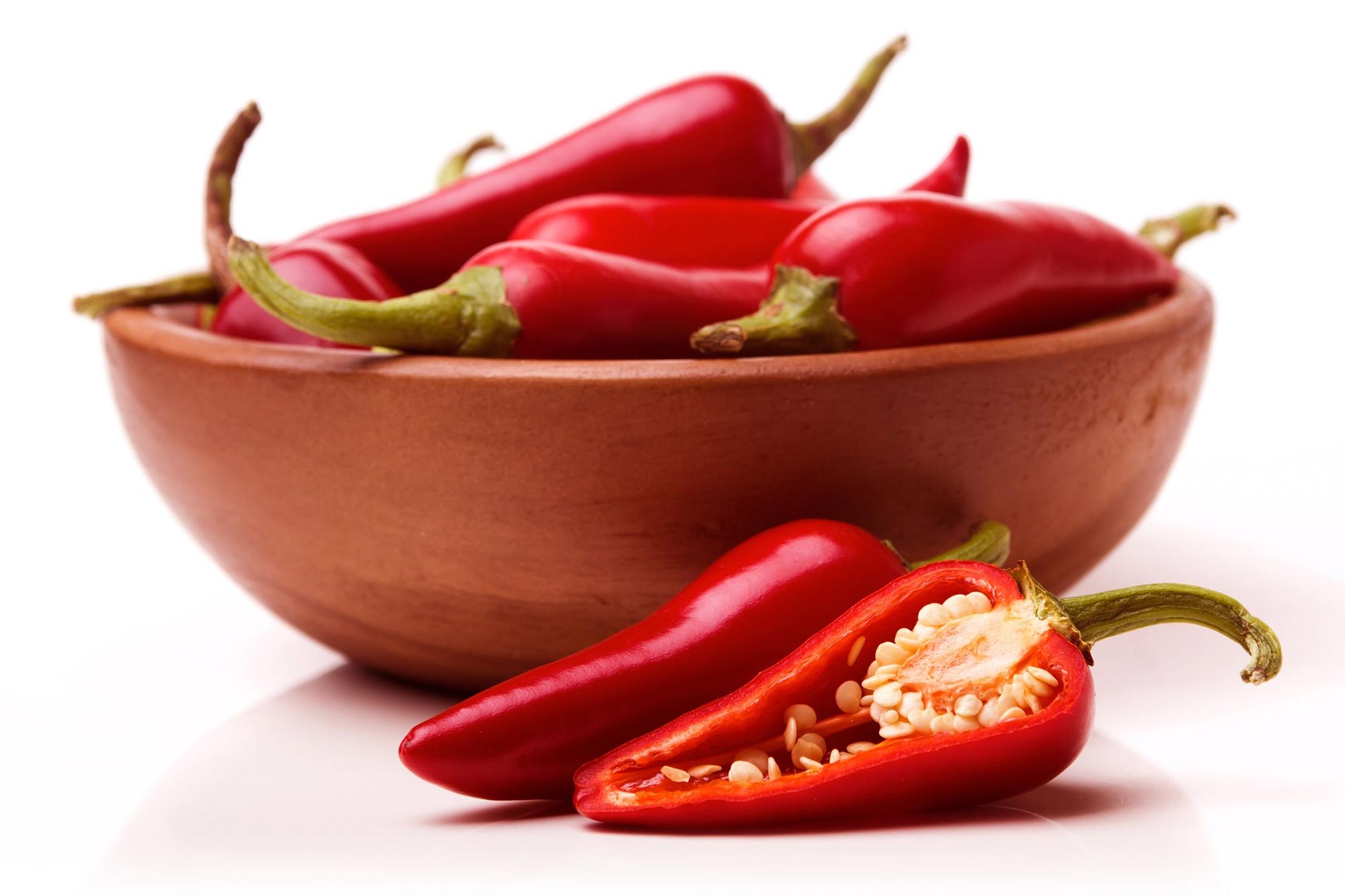
    Chili Peppers
    Preliminary research suggests that individuals who consume chili pepper might have a longer life and a notably decreased risk of death due to cardiovascular disease or cancer.
    • Consumption of chili pepper may reduce the relative risk of cardiovascular disease mortality by 26%, according to an analysis of diet and mortality data from four large, international studies.
    • Chili pepper consumption was associated with a 25% reduction in death from any cause and 23% fewer cancer deaths, compared to people who never or only rarely consumed chili pepper.

    Peppers Assortment
    Assortment of multi-colored peppers. Credit: Copyright American Heart Association

    Individuals who consume chili pepper may live longer and may have a significantly reduced risk of dying from cardiovascular disease or cancer, according to preliminary research to be presented at the American Heart Association’s Scientific Sessions 2020. The meeting will be held virtually, Friday, November 13-Tuesday, November 17, 2020, and is a premier global exchange of the latest scientific advancements, research and evidence-based clinical practice updates in cardiovascular science for health care worldwide.

    Previous studies have found eating chili pepper has an anti-inflammatory, antioxidant, anticancer and blood-glucose regulating effect due to capsaicin, which gives chili pepper its characteristic mild to intense spice when eaten. To analyze the effects of chili pepper on all-cause and cardiovascular disease mortality, researchers screened 4,729 studies from five leading global health databases (Ovid, Cochrane, Medline, Embase and Scopus). Their final analysis includes four large studies that included health outcomes for participants with data on chili pepper consumption.

    The health and dietary records of more than 570,000 individuals in the United States, Italy, China, and Iran were used to compare the outcomes of those who consumed chili pepper to those who rarely or never ate chili pepper. Compared to individuals who rarely or never ate chili pepper, the analysis found that people who ate chili pepper had:

    • a 26% relative reduction in cardiovascular mortality;
    • a 23% relative reduction in cancer mortality; and
    • a 25% relative reduction in all-cause mortality.

    Hot Peppers in Grocery Store
    Hot peppers in grocery store. Credit: Copyright American Heart Association

    “We were surprised to find that in these previously published studies, regular consumption of chili pepper was associated with an overall risk-reduction of all cause, CVD and cancer mortality. It highlights that dietary factors may play an important role in overall health,” said senior author Bo Xu, M.D., cardiologist at the Cleveland Clinic’s Heart, Vascular & Thoracic Institute in Cleveland, Ohio.

    Hot Peppers
    Hanging dried hot peppers. Credit: Copyright American Heart Association

    “The exact reasons and mechanisms that might explain our findings, though, are currently unknown. Therefore, it is impossible to conclusively say that eating more chili pepper can prolong life and reduce deaths, especially from cardiovascular factors or cancer. More research, especially evidence from randomized controlled studies, is needed to confirm these preliminary findings.”

    Dr. Xu said that there are several limitations to this type of study. The four studies reviewed included limited specific health data on individuals or other factors that may have influenced the findings. Researcher also noted that the amount and type of chili pepper consumed was variable among the studies, making it difficult to draw conclusions about exactly how much, how often and which type of chili pepper consumption may be associated with health benefits. The researchers are continuing to analyze their data and hope to publish the full paper soon.

    Co-authors are Manpreet Kaur, M.D.; Beni R. Verma, M.D.; Leon Zhou, M.D.; Simrat Kaur, M.D.; Yasser Sammour, M.D.; and Harssan Mehmood, M.D. Author disclosures are in the abstract.
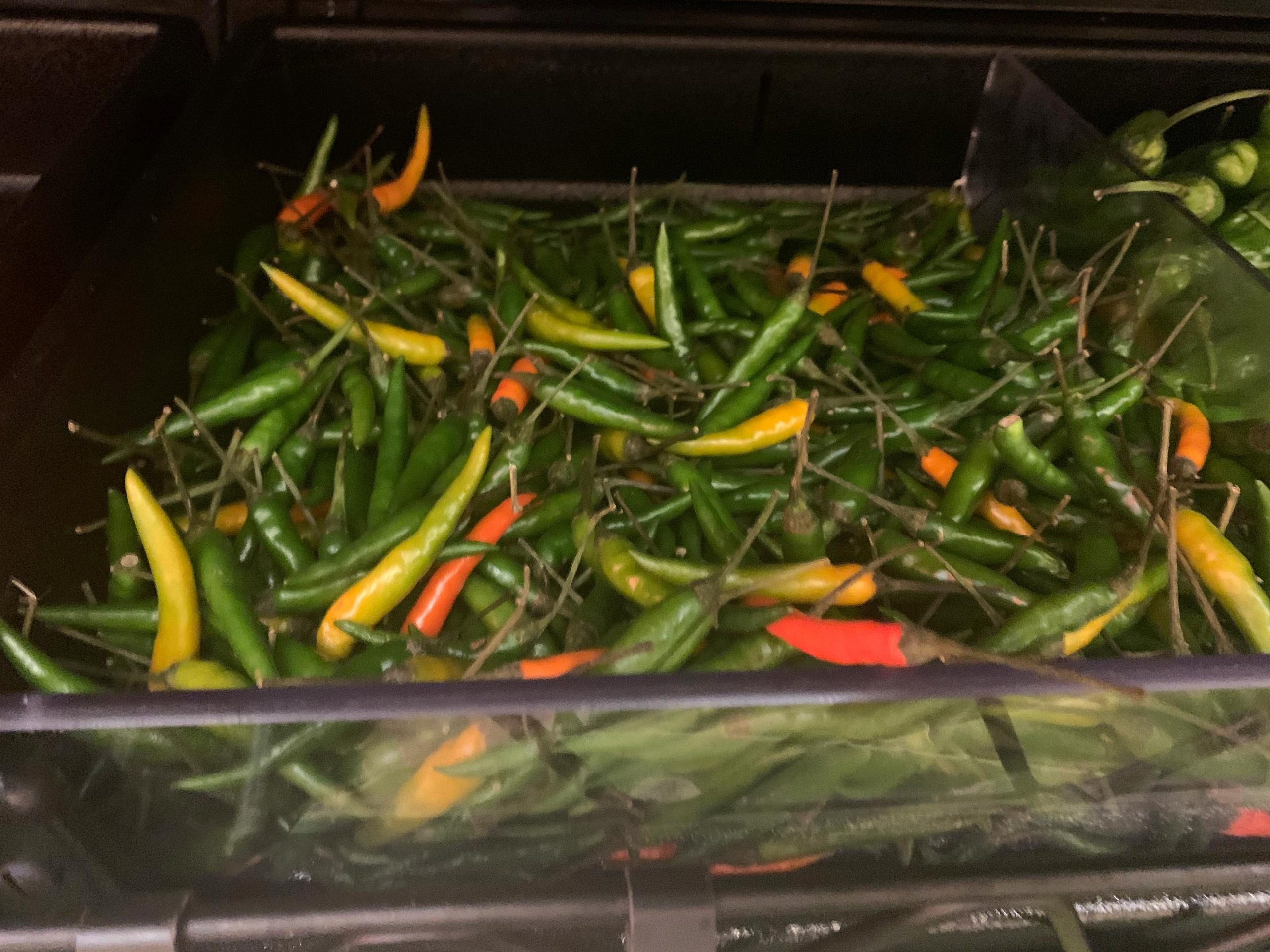
    Chili Peppers Bin
    Chili peppers. Credit: Copyright American Heart Association

    Never miss a breakthrough: Join the SciTechDaily newsletter.
    Follow us on Google and Google News.

    American Heart Association Cancer Cardiology Longevity Nutrition Popular
    Share. Facebook Twitter Pinterest LinkedIn Email Reddit

    Related Articles

    This Invisible Food Change Could Prevent Heart Attacks and Strokes

    30-Year Study Finds Eating Two Servings of Avocados a Week Linked to Lower Risk of Cardiovascular Disease

    Eating Protein From a Greater Variety of Sources Linked With Lower Risk of High Blood Pressure

    10–20% Lower Death Risk From Just 30–60 Minutes of Weekly Muscle-Strengthening Activity

    New Nutrition Research: 10 Features of a Heart-Healthy Eating Pattern

    The Southern Diet – Fried Foods and Sugary Drinks – May Increase Risk of Sudden Cardiac Death

    Eating Starchy Snacks Associated With Increased Cardiovascular Disease Risk

    For a Longer Life, Eat 2 Fruit and 3 Vegetable Servings a Day

    Lower Protein Diet May Lessen Risk for Heart Disease

    3 Comments

    1. Jim Jones on November 11, 2020 3:56 pm

      Does this study account for racial or ethnic differences? Different ethnic and racial groups will tend to have a relatively more or less cultural proclivity for eating spicy foods. These different racial and ethnic groups also encounter cardiovascular problems and cancers at different rates, so this needs to be accounted for.

      Reply
      • tony on December 9, 2020 3:36 pm

        Article states that it was aggregated, comprising of 570,000 people from 4 different nations.

        Reply
    2. Grace on December 23, 2025 6:48 pm

      Eating peppers healthy, with or without seeds?
      Seeds have altercation, not comfortable.

      Reply
    Leave A Reply Cancel Reply

    • Facebook
    • Twitter
    • Pinterest
    • YouTube

    Don't Miss a Discovery

    Subscribe for the Latest in Science & Tech!

    Trending News

    The Universe Is Expanding Too Fast and Scientists Can’t Explain Why

    “Like Liquid Metal”: Scientists Create Strange Shape-Shifting Material

    Early Warning Signals of Esophageal Cancer May Be Hiding in Plain Sight

    Common Blood Pressure Drug Shows Surprising Power Against Deadly Antibiotic-Resistant Superbug

    Scientists Uncover Dangerous Connection Between Serotonin and Heart Valve Disease

    Scientists Discover a “Protector” Protein That Could Help Reverse Hair Loss

    Bone-Strengthening Discovery Could Reverse Osteoporosis

    Scientists Uncover Hidden Trigger Behind Stem Cell Aging

    Follow SciTechDaily
    • Facebook
    • Twitter
    • YouTube
    • Pinterest
    • Newsletter
    • RSS
    SciTech News
    • Biology News
    • Chemistry News
    • Earth News
    • Health News
    • Physics News
    • Science News
    • Space News
    • Technology News
    Recent Posts
    • Natural Component From Licorice Shows Promise for Treating Inflammatory Bowel Disease
    • New Research Finds Shocking Link Between Chili Peppers and Cancer
    • Scientists Warn: Popular Sweetener Linked to Dangerous Metabolic Effects
    • The Most Powerful Neutrino Ever Detected May Have a Surprising Cosmic Source
    • Newton’s 300-Year-Old Law Passes Its Biggest Cosmic Test Yet
    Copyright © 1998 - 2026 SciTechDaily. All Rights Reserved.
    • Science News
    • About
    • Contact
    • Editorial Board
    • Privacy Policy
    • Terms of Use

    Type above and press Enter to search. Press Esc to cancel.