
Laboratory tests showed film containing silver-silica nanoparticles to be capable of eliminating 99.84% of SARS-CoV-2 particles after exposure for two minutes.
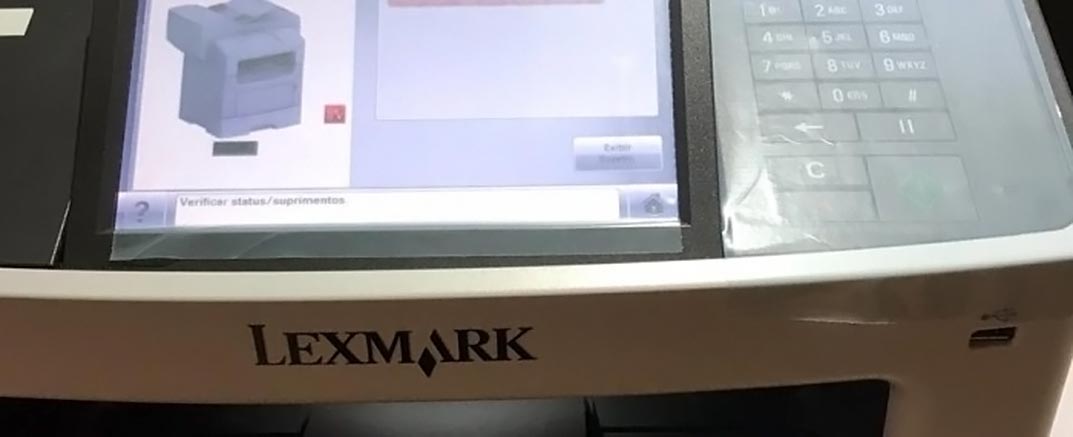
An adhesive plastic film designed to protect surfaces such as doorknobs, handrails, elevator buttons, and touch screens inactivates the novel coronavirus on contact.
The manufacturer of the film is Promaflex. It has nanoparticles of silver and silica built into its polyethylene structure, thanks to technology developed by Nanox, a Brazilian company based in São Paulo and supported by São Paulo Research Foundation, through FAPESP’s Innovative Research in Small Business Program (PIPE).
In tests conducted at the University of São Paulo’s Biomedical Sciences Institute (ICB-USP), which has laboratories certified for Biosafety Level III (BSL-3), the film proved capable of eliminating 99.84% of the viral particles after two minutes of contact.
“The technical standard governing the measurement of antiviral activity on plastic and other non-porous surfaces, ISO 21702, requires demonstration of this capability within four hours. The plastic film with silver-silica nanoparticles did so far sooner, and its virucidal action increased over time,” Lucio Freitas Junior, a researcher at ICB-USP, said.
The trials performed to measure the adhesive plastic film’s capacity to inactivate the novel coronavirus were in line with ISO 21702:2019. Samples of the material with and without silver-silica nanoparticles were kept in direct contact with SARS-CoV-2 for varying amounts of time. After the stipulated periods, the viral particles found in the material were removed and placed in contact with Vero cells to measure the infection and replication rate after exposure to the film. Vero cells are derived from the kidney of an African monkey and are widely used in microbiological cultures.
The viral genetic material was quantified by PCR, showing a reduction of almost 100% in copies of SARS-CoV-2 after two minutes of exposure. “The silver-silica nanoparticles are added to the polyethylene during its production, so the film’s antimicrobial action persists throughout its working life,” said Nanox CEO Luiz Gustavo Pagotto Simões.
Nanox recommends the use of the film for up to three months, however, after which it may wear out from excessive contact.
Face covering
The adhesive film is the second plastic material with silver-silica nanoparticles marketed by Nanox for protection against COVID-19.
In partnership with toymaker Elka, the São Paulo-based firm has developed a reusable face covering made of flexible thermoplastic material similar to rubber, and coated with the additive as a surface layer. The mask promises to confer a higher level of protection against the novel coronavirus.
In early August the product was approved by ANVISA, Brazil’s public health surveillance authority, as a FFP2 mask for use in personal protective equipment (PPE).
“The company won approval for the filter used in the mask in compliance with NBR 13698 [the Brazilian technical standard for filtering half-masks used as respiratory protective equipment of the non-motorized air purifier type] and the mask is registered as PPE,” Simões said.
The silver-silica nanoparticles have been used to coat fabric for anti-COVID-19 apparel. In laboratory tests, the coated material also proved capable of inactivating the virus after two minutes.
The additive has been used directly in apparel and fabric made by several industrial firms (such as Santista, Malwee, Cedro Têxtil and Delfim Tecidos) under a licensing agreement with Nanox.
“The fabric was a disruptive case for us,” Simões said. “We changed our business plan and began licensing the use of our brand in addition to selling the additive. In some cases, we earn royalties on sales of products that use our brand.”
Textiles are impregnated with the silver-silica nanoparticles using a process known as pad-dry-cure. Padding is a coating technique commonly used as a textile finishing method.
Repeated washing can lead to loss of the additive. “But we’ve tested excessive washing of fabric with the additive and found no loss of efficacy,” Freitas Junior said.
Never miss a breakthrough: Join the SciTechDaily newsletter.
Follow us on Google and Google News.