

ESA’s Izaña-1 laser ranging station in Tenerife, Spain, has recently undergone months of testing and commissioning, passing its final tests with flying colors. As it reached ‘station acceptance’, it was handed over to ESA from the German company contracted to build it, DiGOS. The station is a technology testbed and a vital first step in making debris mitigation widely accessible to all space actors with a say in the future of our space environment.
Imagine lasers pointing from Earth into the skies, seeking out satellites and bits of space trash, and measuring their positions and trajectories to prevent catastrophic collisions. You don’t have to try too hard – this is very nearly the day-to-day reality at ESA’s new Izaña 1 (IZN-1) laser ranging station in Tenerife, Spain.
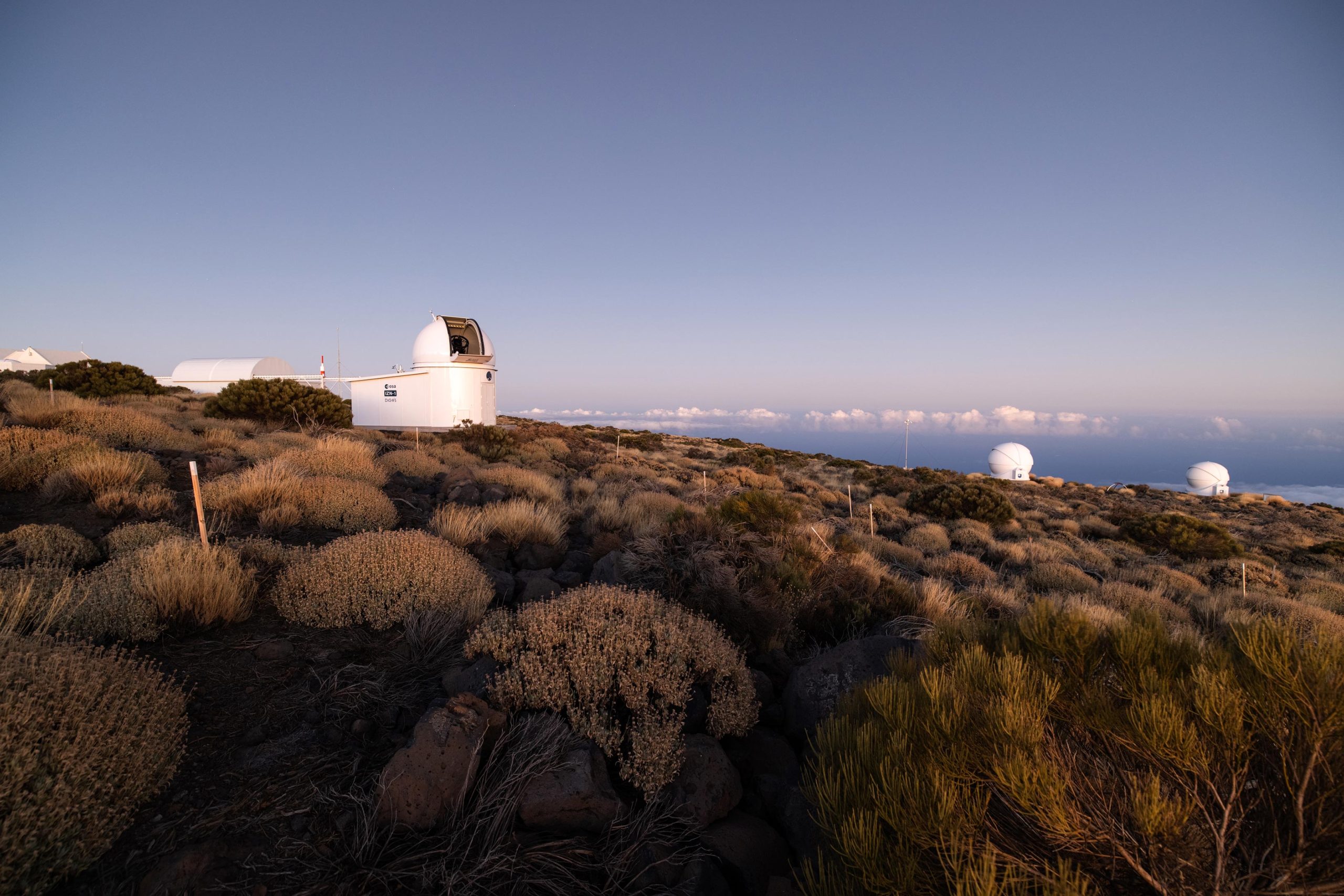
IZN-1, developed and now operated by ESA, is a testbed for future technologies and was installed in mid-2021 at the Teide Observatory.
The station, telescope, and laser have undergone months of testing and commissioning and since July last year have aimed the green beam of concentrated light to the sky to actively detect, track, and observe active satellites.
At present, the laser operates at 150mW but it will soon be upgraded so it can also track debris objects with a much more powerful infrared laser with an average power of 50 Watts.
“Currently, only satellites fitted with retroreflectors can be tracked from ESA’s Izaña station, making up just a proportion of the total population,” explains Clemens Heese, Head of Optical Technologies.
“The station will be upgraded in the next couple of years, enabling it to perform the same vital ranging services with uncooperative targets – vitally, debris objects and older satellites without retroreflecting patches.”
The First of Many in Europe
While dozens of laser tracking stations are dotted around Europe, the Izaña station’s dual functionality makes it a first. Built by German company DiGOS, the remotely controlled Izaña station can also be used for optical communications and is intended to become a state-of-the-art, fully autonomous robotic system. It is hoped to be the first of many across the globe.
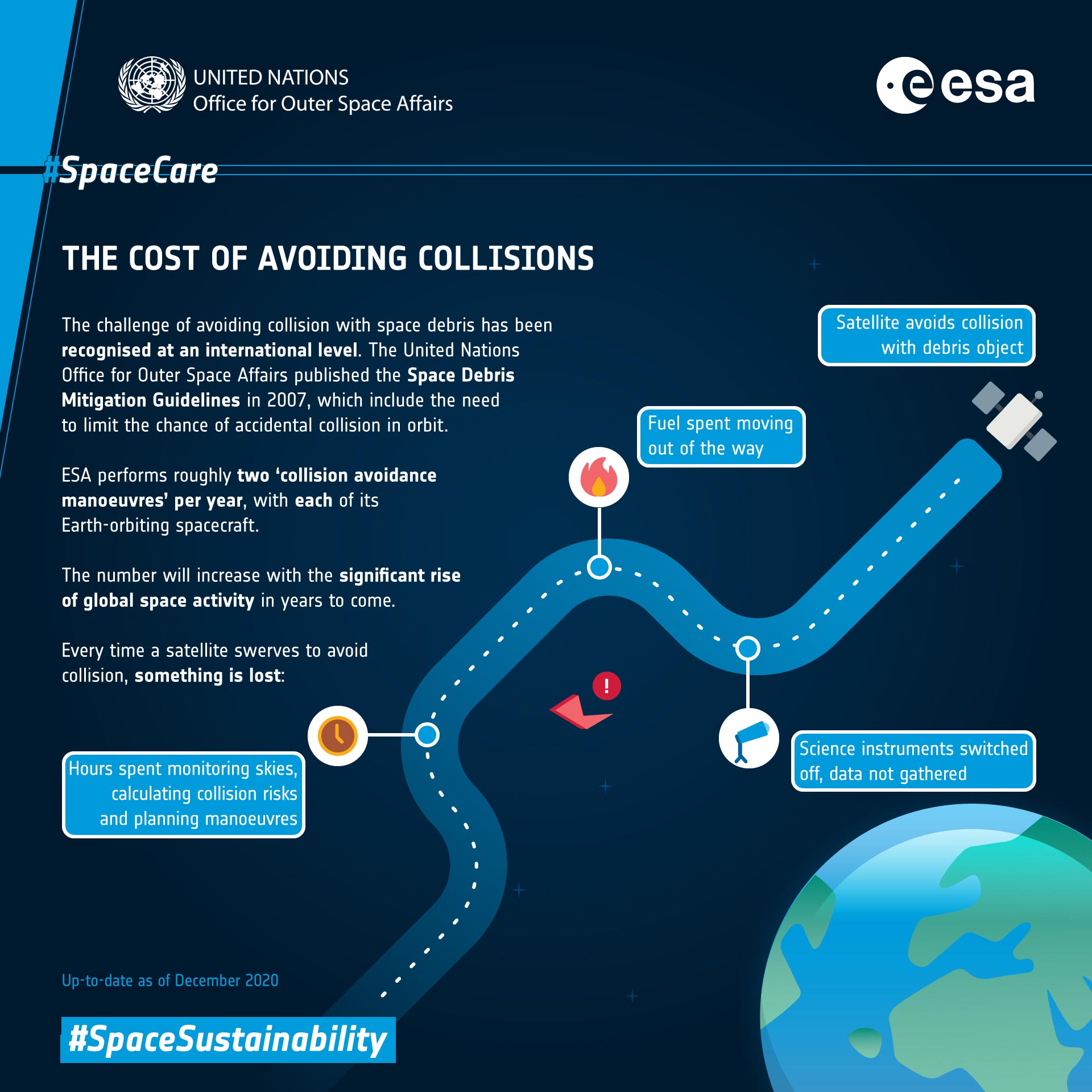
The technology, relatively new in the history of ground-based observations of space debris, will mean the station can track previously invisible defunct objects lurking above the blue daytime skies.
As ESA’s newest addition to the Space Safety family, Izana-1 provides support for vital collision avoidance and provides a testbed for new sustainable technologies like laser momentum transfer or coordination of space traffic.
Such satellite and debris tracking capability in Europe could contribute to building and accessing a European catalog of space objects.
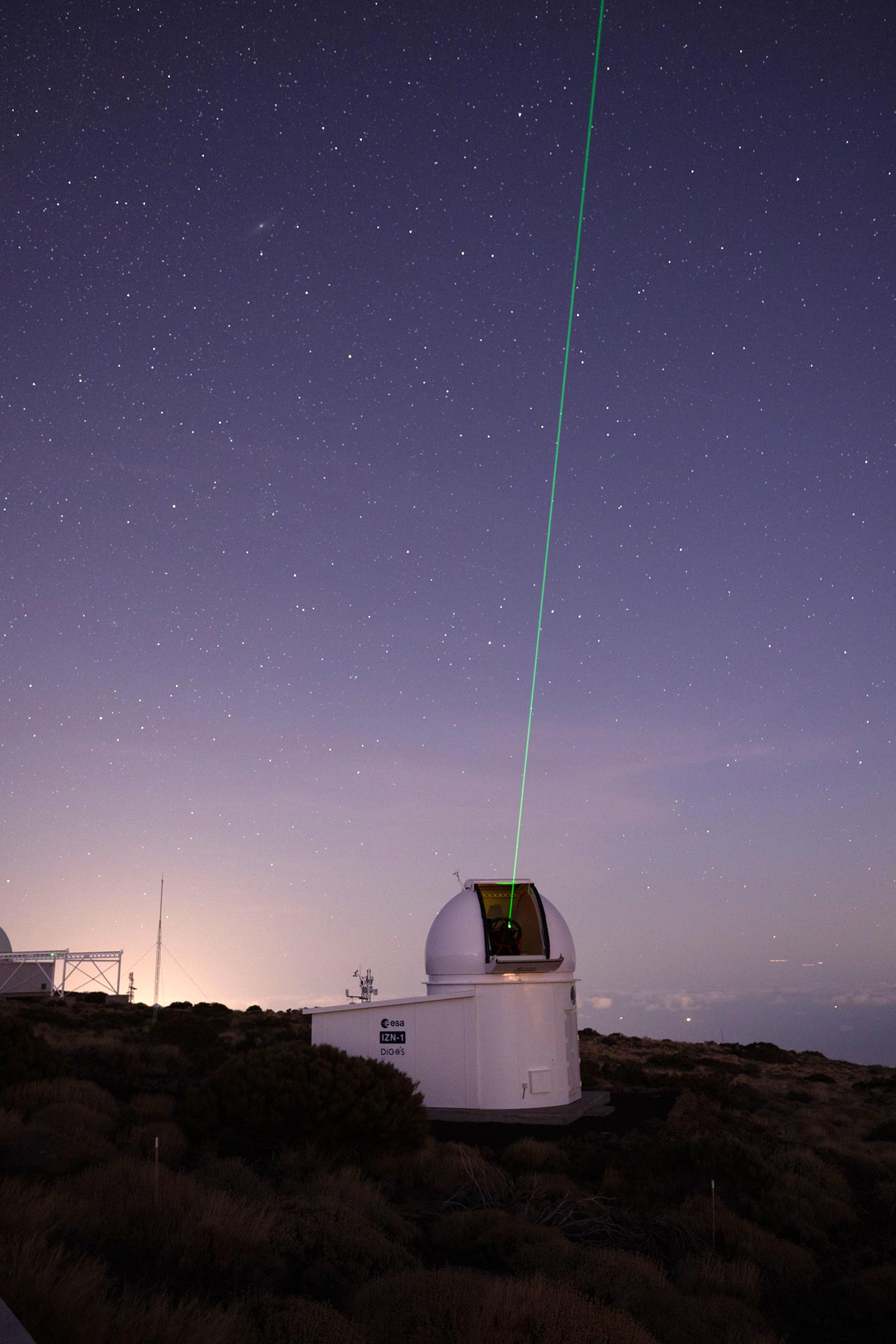
Lasers in Space. Is That … Safe?
But hold on, there are birds, planes, astronauts above us! Doesn’t aiming lasers into the sky come with an unacceptable risk? Fortunately, lasers used for satellite and debris tracking would be a disappointment to any self-respecting Bond villain.
Ultimately, the IZN-1 station will use a power of under 100 Watts, giving the Izaña laser about 1/20th of the energy of an electric kettle.
These pinpoint light sources shine short pulses of light at their target, determining the distance, velocity, and orbit of each one with millimeter precision, calculated from the time it takes to complete the return journey.
Although such lasers don’t come anywhere close to cutting through, or even nudging (yet) the objects they target, they can damage sensitive optical instruments on satellites and the paths of aircraft must be considered.
“If lasers strike planes they can be very dangerous, as pilots can become distracted and in worst-case scenarios, lose control,” explains Andrea di Mira, ESA Optoelectronics Engineer.
“We are very, very careful that this does not happen, with a set of sensors scanning the sky for aircraft to ensure our lasers do not get remotely close to them.”
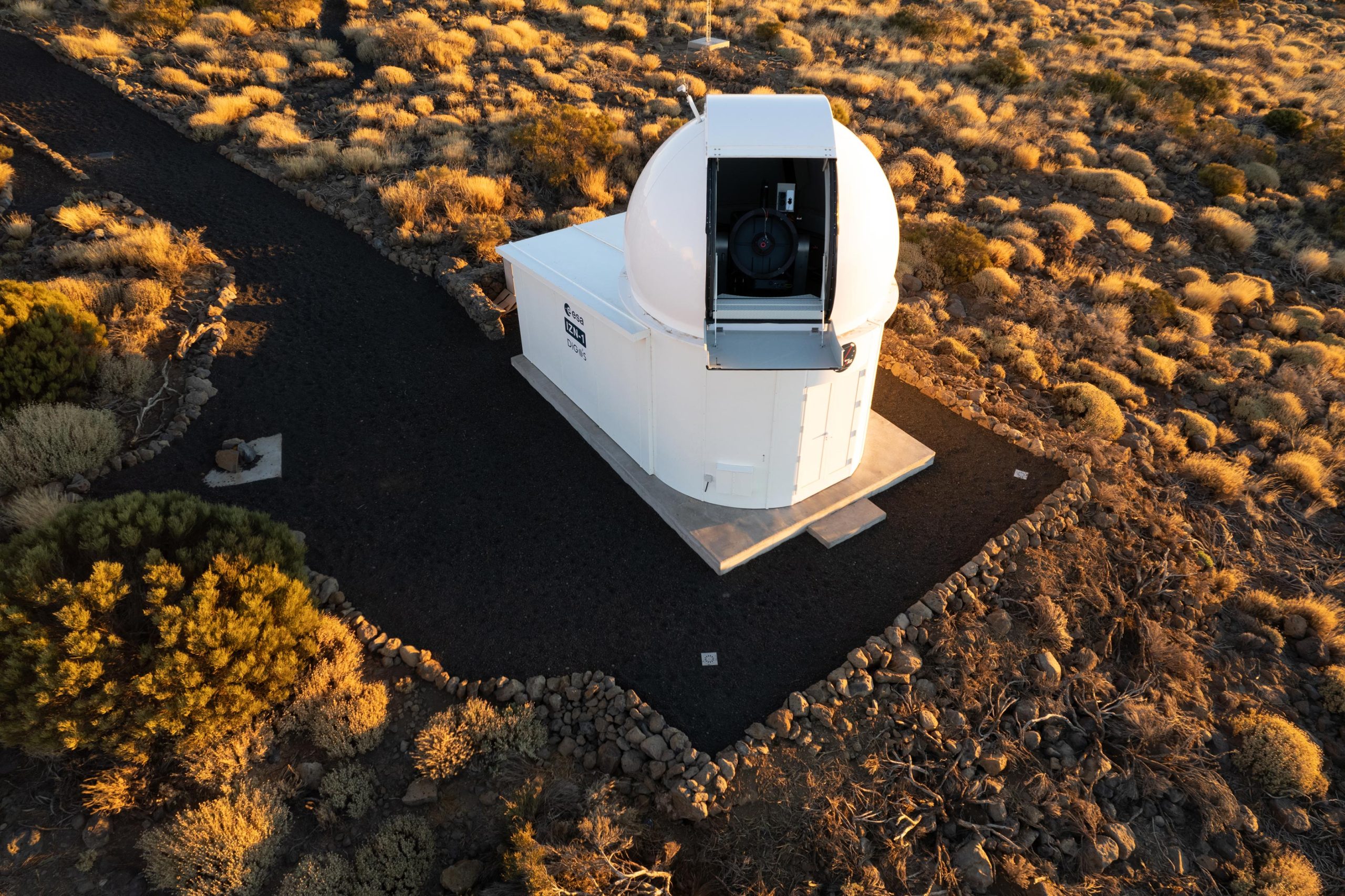
These lasers also have the potential to disrupt telescopes studying the night’s sky. To prevent this, the Laser Traffic Control System (LTCS) was introduced by the Instituto de Astrofísica de Canarias (IAC) – much like IZN-1 helps to prevent collisions between objects in orbit, the LTCS software prevents ‘collisions’ between laser light and areas of observation. Additionally, switching to an infrared laser frequency can minimize conflicts with astronomers.
A Vital Step Towards Space Traffic Control
As the era of New Space is now fully underway, large constellations are being launched to the skies consisting of thousands, sometimes tens of thousands of satellites.
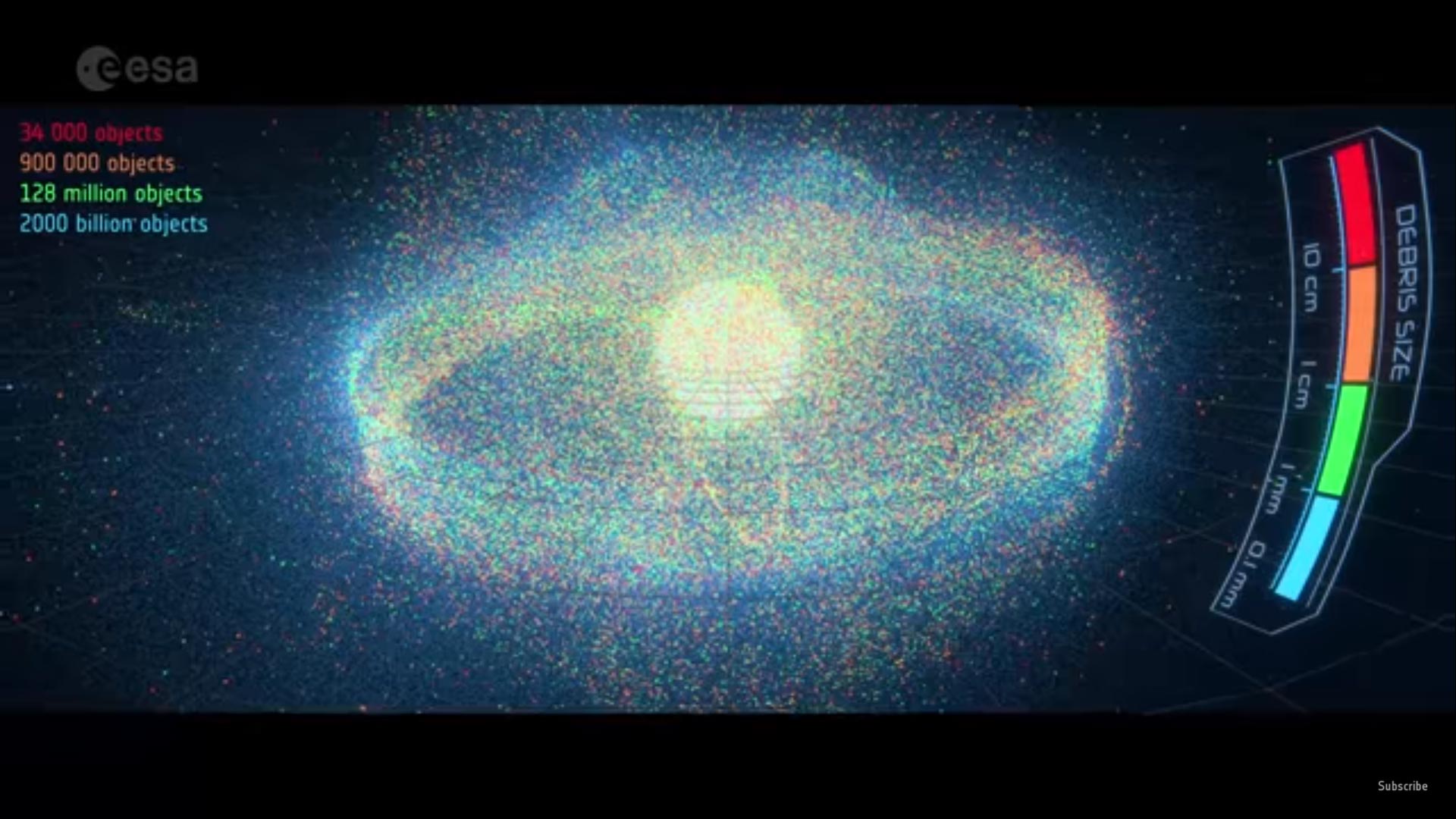
Current, costly methods of collision avoidance will be futile as numbers increase, and as such the international space community will need to establish a method of space traffic control.
For this, precise and rapid determination of the location, velocity, and orbit of space objects will be vital, and ESA’s IZN-1 station will provide a much-needed testbed for this technology, far more accurate than current radar methods, to be developed.
Laser Focus on the Future
In the near future, ESA’s IZN-1 station will be a fully autonomous, highly productive satellite and debris tracking station. It will also be used to test the concept of ‘networked space debris laser ranging’ to build a satellite catalog.
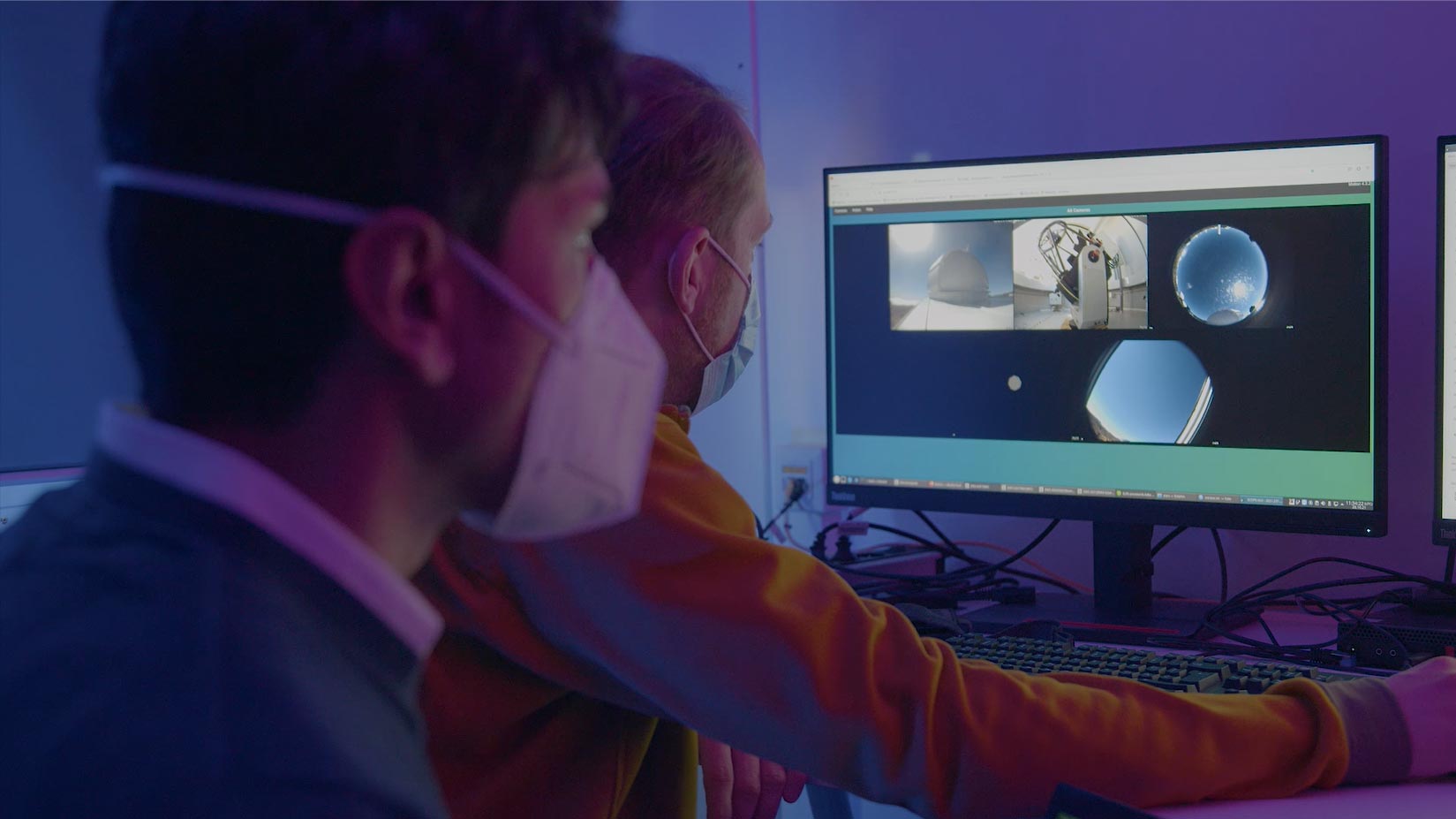
When it comes to optical communication, it will also be upgraded to receive signals with a very high data rate of 10 gigabits and beyond (adhering to international standards) from satellites in low-Earth orbit 400 km (250 mi) away.
Izaña will then become part of a planned European Optical Nucleus Network, the first operational optical communication ground station service of its kind that will be made available to the wider commercial space community.
On top of all this, the station provides an opportunity to test and develop technologies underpinning ‘laser momentum transfer’, in which lasers would not merely shine a light on debris objects but very gently nudge them into new orbits, out of the way of potential collisions and out of the busiest orbital highways.
As IZN-1 is welcomed into ESA’s Space Safety family, so is a bright future of sustainable technologies, vital for a responsible future in orbit and beyond.
Protecting Modern Life
We are now reliant on interlinked technologies, in space and on Earth, for our everyday lives. But this infrastructure, and all that relies on it, is vulnerable.
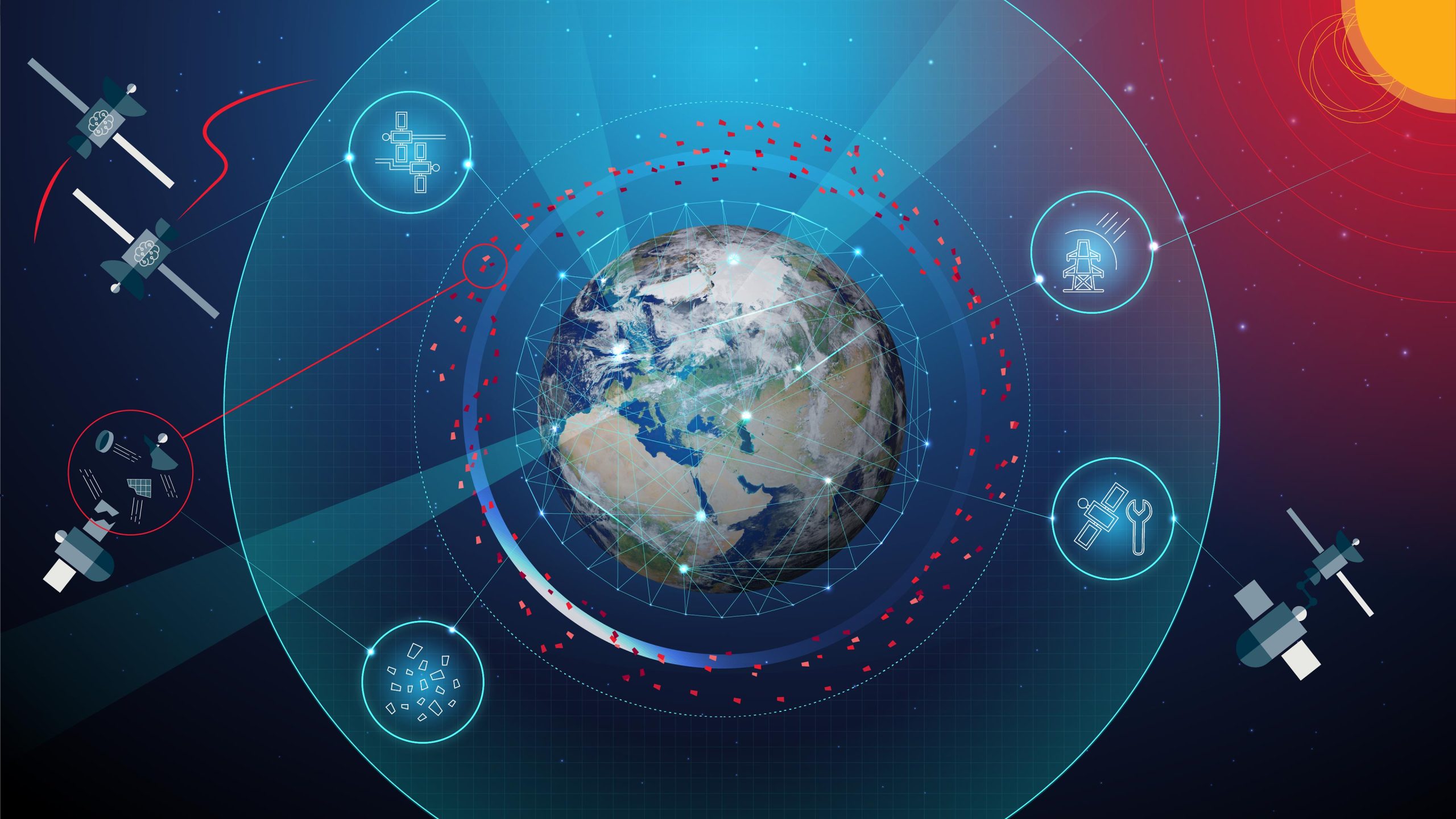
Solar storms can damage power grids, disrupt telecommunications, and threaten satellites and the vital services they provide. At the same time, as we launch ever more satellites into orbit we are also creating increasing amounts of debris, dramatically increasing the risk of collision for current and future missions: our success in space could be our downfall.
As part of ESA’s Vision for the future, the new Protect ‘accelerator’ will ensure the resilience of technologies on which modernity depends. By detecting and providing advance warning of oncoming solar storms, we can protect our infrastructure in space and on the ground. By fostering the sustainable use of orbits around Earth – a finite and limited resource – we can ensure the benefits of space will remain accessible to future generations.
Never miss a breakthrough: Join the SciTechDaily newsletter.
Follow us on Google and Google News.
1 Comment
What we need now are contractors to vacuum up the space debris. People could be paid on a per piece or per pound basis for removing debris around our planet. This will have to be done at some point. Anyone launching anything in space will have to pay a fee for its removal when the device or satellite becomes inoperative.