
Close Menu
    Facebook X (Twitter) Instagram
    SciTechDaily
    • Biology
    • Chemistry
    • Earth
    • Health
    • Physics
    • Science
    • Space
    • Technology
    Facebook X (Twitter) Pinterest YouTube RSS
    SciTechDaily
    Home»Technology»Raytheon JLENS Defense System Features Aerostats
    Technology

    Raytheon JLENS Defense System Features Aerostats

    By SciTechDailySeptember 18, 2012No Comments2 Mins Read
    Facebook Twitter Pinterest Telegram LinkedIn WhatsApp Email Reddit
    Share
    Facebook Twitter LinkedIn Pinterest Telegram Email Reddit
    JLENS-Raytheon-aerostat
    A JLENS aerostat at White Sands Missile Range near Orogrande Range Camp.

    US Defense contractor Raytheon recently successfully tested the Joint Land Attack Cruise Missile Defense Elevated Netted Sensor System (JLENS) over the Great Salt Lake in Utah. The test involved the radar’s ability to track multiple fast and high-speed vessels, potentially giving ship commanders situational awareness of all threats that he or she might face.
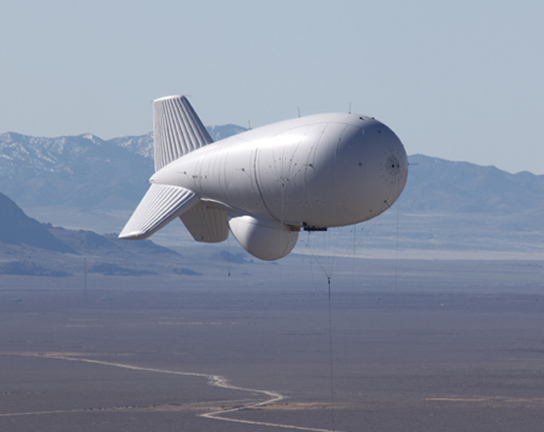
    JLENS-Raytheon-in-air

    The JLENS system is made up of two aerostats that float 10,000 feet  (3,050 meters) high, providing radar and communication capabilities to see over-the-horizon threats, which puts them within range of new weapons systems. The US Army worked with Raytheon to develop JLENS in order to track and defeat aircraft as well as cruise missiles. Previously, swarm boats had not been tested as part of the program.

    Raytheon tested the JLENS’ ability to target swarm boats in the Great Salt Lake. It tested the radar’s ability to track multiple fast and high speed vessels to potentially give a ship commander situational awareness of all threats he might face.

    JLENS has faced a number of different challenges in its development, especially after the prices for it spiraled. Apparently now Mark Rose, Raytheon’s JLENS program director, reports that the program is back on track and that costs have been brought under control.

    The development of the program continues as Raytheon expects to complete an operational test with a major command in 2012.

    Never miss a breakthrough: Join the SciTechDaily newsletter.
    Follow us on Google and Google News.

    Defense Missile Raytheon
    Share. Facebook Twitter Pinterest LinkedIn Email Reddit

    Related Articles

    In Less Than 90 Minutes Raytheon’s F-35 Precision GPS Landing System Can Be Set Up Anywhere

    DARPA Program Takes Advantage of Floating Icebergs

    DARPA Grants Phase 2-4 Contract for Unmanned Sub-Hunting Vessel

    Riot Shields That Create a “Wall of Sound” Patented

    Leave A Reply Cancel Reply

    • Facebook
    • Twitter
    • Pinterest
    • YouTube

    Don't Miss a Discovery

    Subscribe for the Latest in Science & Tech!

    Trending News

    These Toads Are Surviving a Deadly Fungus – Scientists May Finally Know Why

    These Brain Cells May Explain Why We Eventually Have To Sleep

    Tomatoes Contain an Invisible Ingredient With Surprising Effects on Liver Health

    World’s First Heat-Powered Cooling System Turns Waste Heat Into Cold

    Antarctica Gained a Record 695 Billion Tons of Ice in Just Two Years

    Don’t Miss: A Brilliant Venus and Glowing Harvest Moon Light Up the Sky

    New Twist on the Einstein Problem Reveals Unexpected Physics

    JWST Captures Stunning Evidence of How Supermassive Black Holes Feed

    Follow SciTechDaily
    • Facebook
    • Twitter
    • YouTube
    • Pinterest
    • Newsletter
    • RSS
    SciTech News
    • Biology News
    • Chemistry News
    • Earth News
    • Health News
    • Physics News
    • Science News
    • Space News
    • Technology News
    Recent Posts
    • Earth May Not Be a Cosmic Fluke, New Simulations Suggest
    • Astronomers Watch a Dead Star’s Remains Dissolve Into Space
    • Lava-Covered Planets Are Defying a Key Rule of Planetary Science
    • Scientists Find a New Way To Stop Aggressive Breast Cancer From Spreading
    • Scientists Discover Exercise Can Match One Key Benefit of Sleep for the Brain
    Copyright © 1998 - 2026 SciTechDaily. All Rights Reserved.
    • Science News
    • About
    • Contact
    • Editorial Board
    • Privacy Policy
    • Terms of Use

    Type above and press Enter to search. Press Esc to cancel.