
Close Menu
    Facebook X (Twitter) Instagram
    SciTechDaily
    • Biology
    • Chemistry
    • Earth
    • Health
    • Physics
    • Science
    • Space
    • Technology
    Facebook X (Twitter) Pinterest YouTube RSS
    SciTechDaily
    Home»Health»Researchers Analyze the Most Effective COVID-19 Control Policies
    Health

    Researchers Analyze the Most Effective COVID-19 Control Policies

    By University of Toronto, Rotman School of ManagementJanuary 3, 20211 Comment3 Mins Read
    Facebook Twitter Pinterest Telegram LinkedIn WhatsApp Email Reddit
    Share
    Facebook Twitter LinkedIn Pinterest Telegram Email Reddit
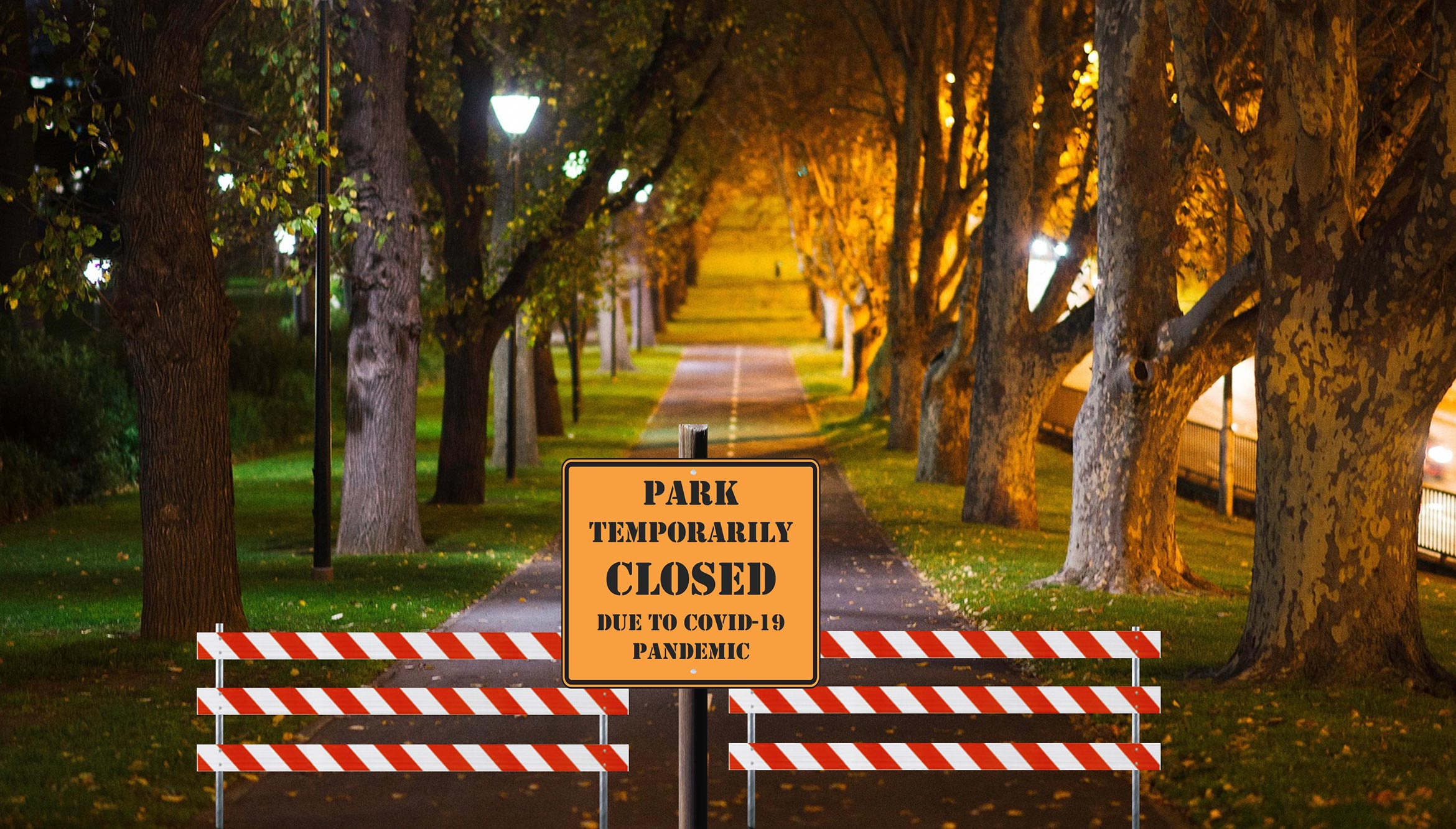
    COVID Park Closed
    One key finding that examines the effectiveness of COVID-19 control policies is that substantial social costs are necessary to bring virus growth below zero.

    Controlling COVID-19 requires strict measures like lockdowns and school closures, according to a study analyzing policy effectiveness in 40 regions. Lighter restrictions alone are insufficient.

    With the arrival of effective vaccines for the COVID-19 virus, the end of the pandemic is on the horizon but in the short term the virus continues to spread.

    A timely new study published on December 29, 2020, by PLOS ONE examines the effectiveness of COVID-19 control policies in 40 jurisdictions including countries and U.S. states.

    Among the conclusions is that significant social costs must be incurred to reduce the growth of the virus below zero. In most jurisdictions examined, policies with a lesser social impact including cancellation of public events, restrictions of gatherings to fewer than 100 people, and recommendations to stay at home, are not enough in themselves to control COVID-19. Socially intolerable measures such as stay-at-home orders, targeted or full workplace and school closings are also required.

    Anita McGahan
    Anita M. McGahan is a University Professor and the George E. Connell Chair in Organizations & Society at the University of Toronto’s Rotman School of Management and Munk School of Global Affairs and Public Policy. Her research is focused on industry change, sustainable competitive advantage and the establishment of new fields. An area of particular interest to her is global health and the diffusion of knowledge across international boundaries. Credit: Rotman School of Management

    The study is authored by Anita M. McGahan, University Professor and the George E. Connell Chair in Organizations & Society at the University of Toronto’s Rotman School of Management and Munk School of Global Affairs and Public Policy, Wesley Wu-Yi Koo, an assistant professor of strategy at INSEAD, and Phebo Wibbens, an assistant professor of strategy at INSEAD.

    The study used a model to generate estimates of the marginal impact of each policy in a jurisdiction after accounting for the overall portfolio of policies adopted by the jurisdiction, the levels at which the policies are implemented, the rigorousness of compliance within the jurisdiction, the jurisdiction’s COVID-19 infections, COVID-19 deaths, and excess deaths, and the performance of the portfolio of policies in other jurisdictions. Eleven categories of COVID-19 control policies were examined including school closings, workplace closings, cancellation of public events, restrictions on gatherings, closing of public transport, stay-at-home requirements, restrictions on internal movement, international travel controls, public information campaigns, testing, and contact tracing.

    Reference: “Which COVID policies are most effective? A Bayesian analysis of COVID-19 by jurisdiction” by Phebo D. Wibbens, Wesley Wu-Yi Koo and Anita M. McGahan, 29 December 2020, PLOS ONE.
    DOI: 10.1371/journal.pone.0244177

    Never miss a breakthrough: Join the SciTechDaily newsletter.
    Follow us on Google and Google News.

    Behavioral Science COVID-19 Politics Public Health University of Toronto
    Share. Facebook Twitter Pinterest LinkedIn Email Reddit

    Related Articles

    New Research Finds Herd Immunity to COVID-19 Is an Impractical Strategy

    Chinese and American Scientists Are Working Together More Than Ever to Study the COVID-19 Virus

    Understanding the Spread of COVID-19 Through Physics-Based Modeling Used for Jet Engines

    The Surprisingly Simple Way Researchers Say a Second COVID-19 Wave Could Be Avoided

    COVID-19: The Greater Threat to Society of Social Distancing

    Why Quarantines Are So Difficult to Implement: Lessons From the 1800s

    Self-Quarantine Compliance Tied to Compensation in Israel

    White House Announces New Partnership to Unleash U.S. Supercomputing Resources to Fight COVID-19

    Researchers Warn on COVID-19: We Must Prepare Now for International Humanitarian Crises

    1 Comment

    1. ui on January 4, 2021 8:13 am

      reee

      Reply
    Leave A Reply Cancel Reply

    • Facebook
    • Twitter
    • Pinterest
    • YouTube

    Don't Miss a Discovery

    Subscribe for the Latest in Science & Tech!

    Trending News

    JWST Finds a “Star” 100 Billion Times Brighter Than Any Star Should Be

    Scientists Find a Hidden Biological Link Across Different Forms of Autism

    Astronomers Discover a Ghostly River of Stars That Could Reveal Dark Matter

    Why Is Colorectal Cancer Rising in People Under 50? New Clues Point to the Environment

    Quantum Fluctuations Break a Crystal’s Symmetry Rules

    Why Does an Irregular Heartbeat Strike 40 Years Early in Some People?

    Scientists Reveal How ADHD Could Fuel Creative Thinking

    Scientists Find Just 3 Minutes of Sprinting Can Transform Blood Chemistry

    Follow SciTechDaily
    • Facebook
    • Twitter
    • YouTube
    • Pinterest
    • Newsletter
    • RSS
    SciTech News
    • Biology News
    • Chemistry News
    • Earth News
    • Health News
    • Physics News
    • Science News
    • Space News
    • Technology News
    Recent Posts
    • Common Vape Flavor May Disrupt Early Human Development
    • Ultra-Processed Foods Linked to 30% Higher Prostate Cancer Risk
    • More Screen Time, Better Thinking? An 8-Year Study Finds a Surprising Link
    • A Vast Clean Energy Source May Be Hiding Beneath Australia’s Red Soil
    • Scientists Uncover Signs of an Ancient Climate “Tipping Point”
    Copyright © 1998 - 2026 SciTechDaily. All Rights Reserved.
    • Science News
    • About
    • Contact
    • Editorial Board
    • Privacy Policy
    • Terms of Use

    Type above and press Enter to search. Press Esc to cancel.