
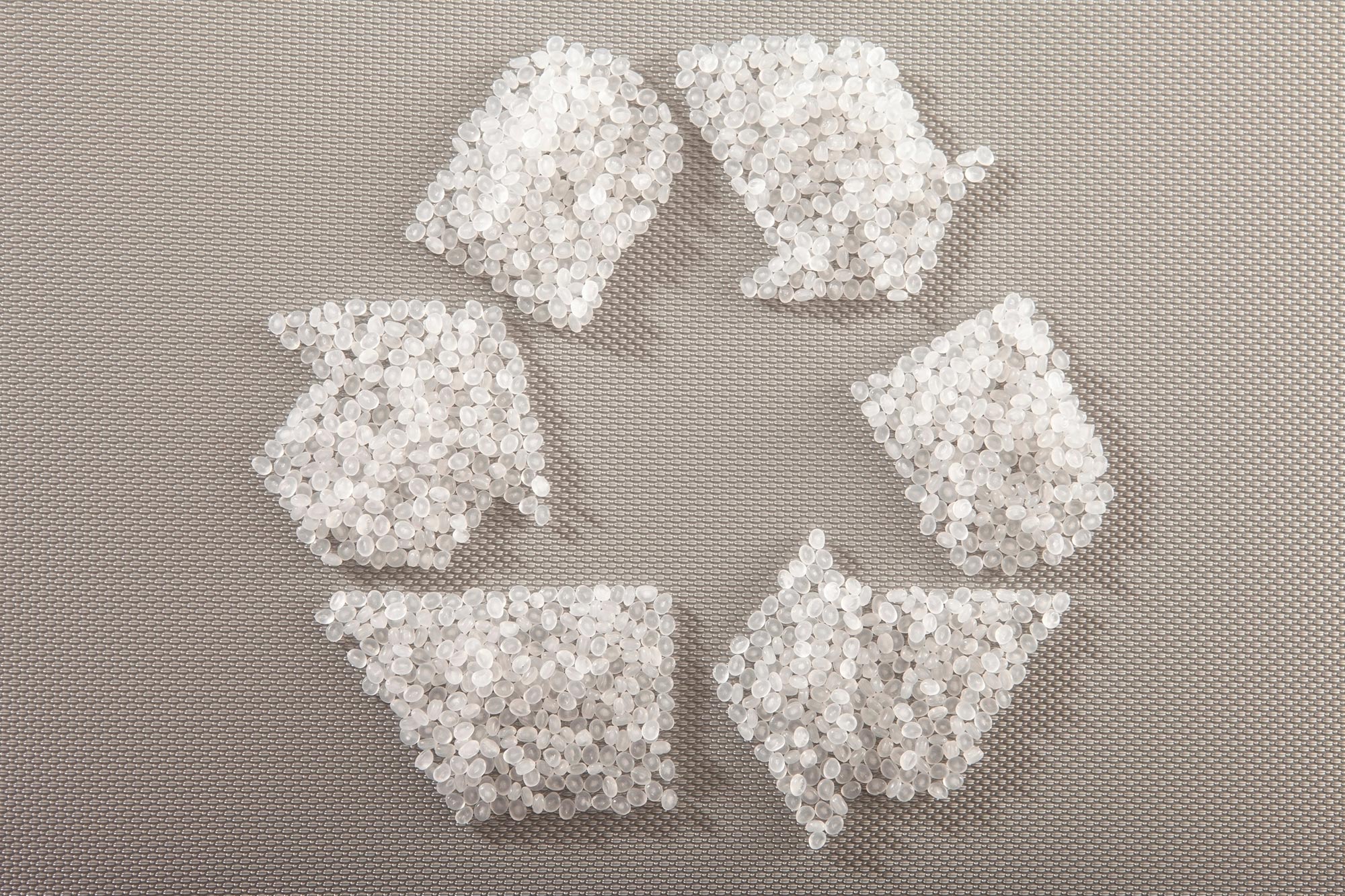
Researchers at Osaka University have developed a new type of polymer that marries the toughness needed for demanding applications with the ability to be easily recycled into like-new material.
Using a unique directing group that acts under specific conditions, this polymer withstands harsh environments yet breaks down effortlessly in the presence of a nickel catalyst. This innovation could make plastics indefinitely recyclable without degrading their quality, promising a significant reduction in plastic pollution.
Revolutionizing Plastic Recycling
Plastics are foundational to modern life, essential in fields such as medicine, technology, and food safety, where their beneficial properties are irreplaceable. Yet, the very durability that makes plastics valuable also renders them problematic pollutants and challenging to recycle. The key to addressing this critical issue lies in developing more easily recyclable plastics.
In a study published today (October 7) in the journal Chemical Science, researchers at Osaka University have found a way to make tough, high-performance polymers, the main component of plastics, that can be broken down easily and precisely into their component parts and recycled into materials that are like new.
Strengthening and Recycling Polymers
The main component of plastics are molecules called polymers, which are long chains of small repeating units called monomers. Current physical recycling simply reuses the polymers without breaking them down, and the recycled plastic is usually worse than the original. Chemical recycling is a newer method that breaks the polymer chains back down into their monomer units and then strings the units back together. The recycled plastic is as good as new. However, the polymers designed for chemical recycling are usually weak because they have weak links between the monomer units so that it is easy to break the chains up.
The researchers have developed a way to make tough, chemically recyclable polymers without compromising on heat and chemical resistance. This breakthrough could hugely expand the uses of chemically recyclable polymers.

A New Era in Polymer Technology
“We knew that we needed to make the links between the monomers really strong in harsh environments but easily broken under specific conditions for recycling,” says lead author Satoshi Ogawa. “We were surprised to find that no one had tried including a directing group, which would break the strong links only in the presence of a metal catalyst.”
The directing group is like a lock on the link, only opening the link when the right key is present. The polymers stood up to high temperatures and harsh chemicals, but when it came to recycling, a nickel catalyst acted like a key, and the directing group opened the links easily, releasing the monomers. The original polymer could then be reassembled from the monomers.
Toward Sustainable Plastic Solutions
“It’s a huge step forward to make a polymer this tough that can be broken down easily and precisely and recycled into a pristine material in so few steps,” explains senior author Mamoru Tobisu. “This revolutionary design could be used in making high-performance polymers that can be recycled indefinitely with no loss of quality.”
The team’s work shows that there doesn’t have to be a tradeoff between performance and recyclability. Their design could be used in lots of other polymers to make many types of plastic chemically recyclable, potentially helping to consign plastic pollution to the trash can of history.
Reference: “Controlled degradation of chemically stable poly(aryl ethers) via directing group-assisted catalysis” by Satoshi Ogawa, Hiroki Morita, Yu-I. Hsu, Hiroshi Uyama and Mamoru Tobisu, 7 October 2024, Chemical Science.
DOI: 10.1039/D4SC04147J
Never miss a breakthrough: Join the SciTechDaily newsletter.
Follow us on Google and Google News.
1 Comment
The big deal that you consistently ignore in these articles is cost benefit. If a process that requires costs like logistics, catalysts, plant infrastructure, personnel and/or machinery/robotics, energy, etc outputs a now useful material- does it do so at a profit???? If yes it is sustainable and growable on its own recognizance. If not it will exist in minimal form and only make a dent in the problem under goodwill or gov requirements etc. So please address this in future articles