
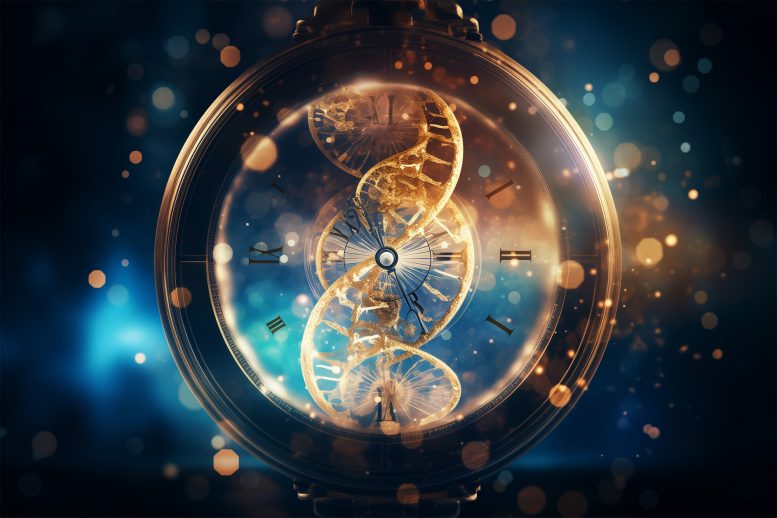
AI analysis shows pollution levels, extreme weather events, and increasing temperatures devastate biodiversity in freshwater lakes.
AI and DNA: Tools for Conservation
Scientists have run the first proof of concept of their DNA ‘time machine’ to shed light on a century of environmental change in a freshwater lake — including warming temperatures and pollution, leading to the potentially irreversible loss of biodiversity.
Their approach, which uses AI applied to DNA-based biodiversity, climate variables, and pollution, could help regulators to protect the planet’s existing biodiversity levels, or even improve them.
Research Methodology and Findings
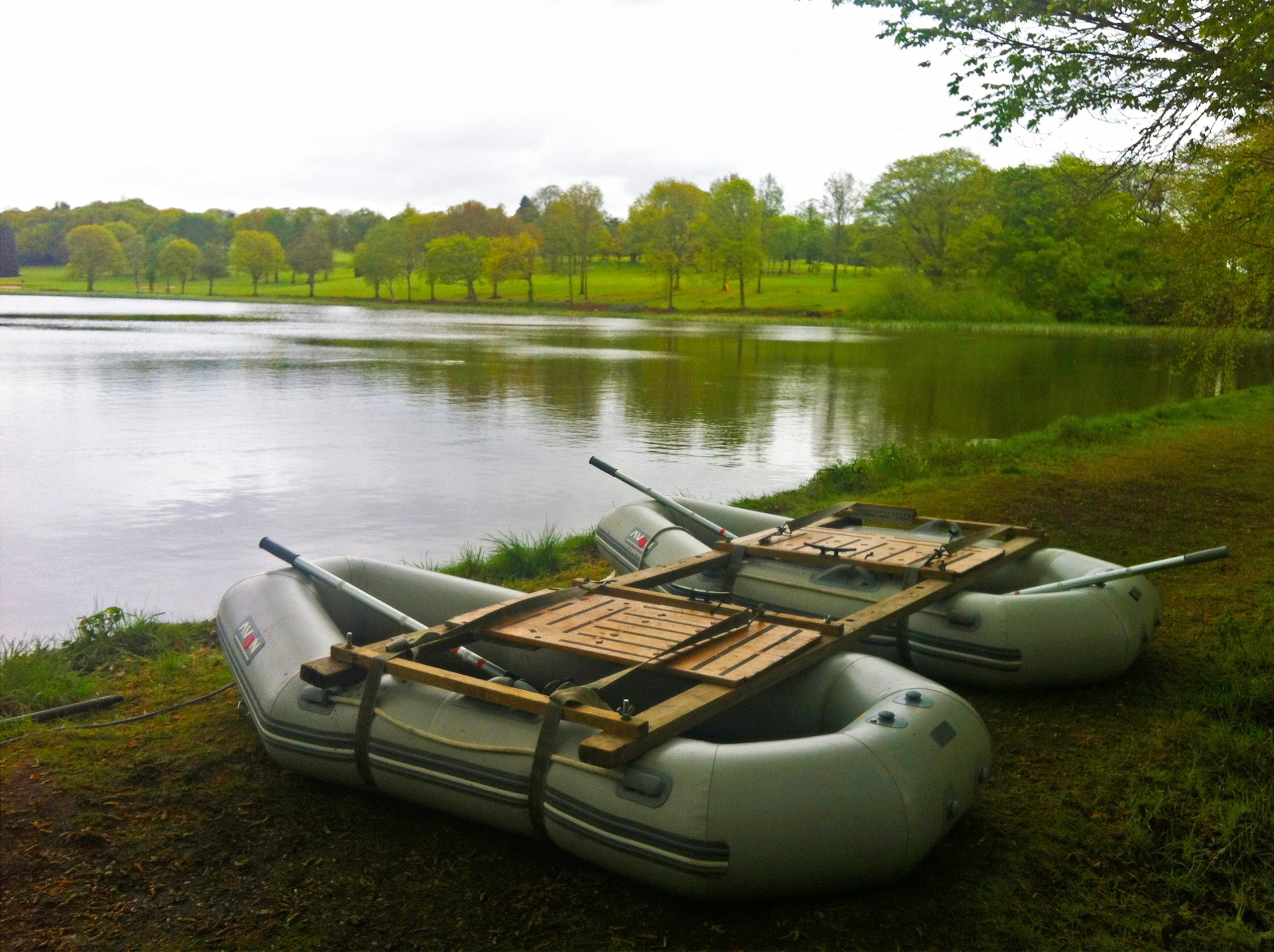
Researchers from the University of Birmingham, in collaboration with Goethe University in Frankfurt, used sediment from the bottom of a lake in Denmark to reconstruct a 100-year-old library of biodiversity, chemical pollution, and climate change levels. This lake has a history of well-documented shifts in water quality, making it a perfect natural experiment for testing the biodiversity time machine.
Publishing their findings on November 7 in the journal eLife, the experts reveal that the sediment holds a continuous record of biological and environmental signals that have changed over time — from (semi)pristine environments at the start of the Industrial Revolution to the present.
A New Approach to Environmental Preservation
The team used environmental DNA — genetic material left behind by plants, animals, and bacteria — to build a picture of the entire freshwater community. Assisted by AI, they analyzed the information, in conjunction with climate and pollution data, to identify what could explain the historic loss of species that lived in the lake.
Principal investigator Luisa Orsini, Professor of Evolutionary Systems Biology and Environmental Omics at the University of Birmingham and Fellow of the Alan Turing Institute, explained: “We took a sediment core from the bottom of the lake and used biological data within that sediment like a time machine — looking back in time to build a detailed picture of biodiversity over the last century at yearly resolution. By analyzing biological data with climate change data and pollution levels we can identify the factors having the biggest impact on biodiversity.
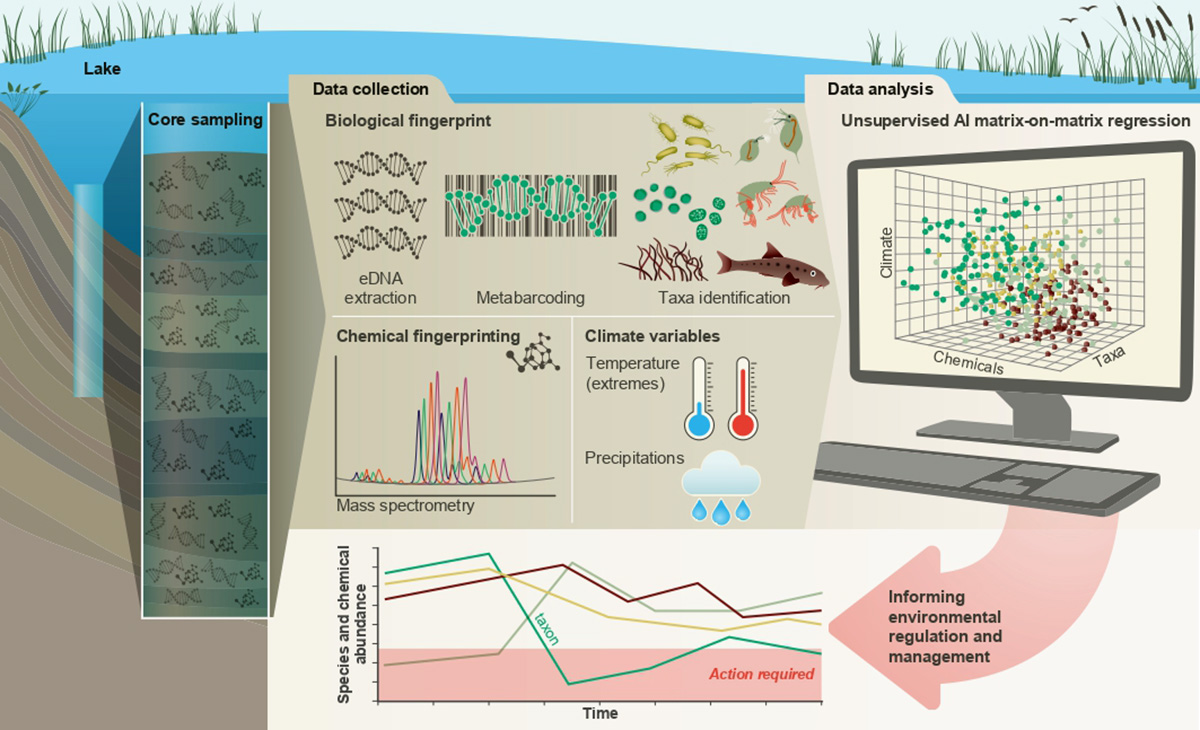
“Protecting every species without impacting human production is unrealistic, but using AI we can prioritize the conservation of species that deliver ecosystem services. At the same time, we can identify the top pollutants, guiding the regulation of chemical compounds with the most adverse effect. These actions can help us not only to preserve the biodiversity we have today, but potentially to improve biodiversity recovery. Biodiversity sustains many ecosystem services that we all benefit from. Protecting biodiversity mean protecting these services.”
Biodiversity Challenges and Recovery
The researchers found that pollutants such as insecticides and fungicides, alongside increases in minimum temperature (a 1.2-1.5-degree increase) caused the most damage to biodiversity levels.
However, the DNA present in the sediment also showed that over the last 20 years the lake had begun to recover. Water quality improved as agricultural land use declined in the area surrounding the lake. Yet, whereas the overall biodiversity increased, the communities were not the same as in the (semi)pristine phase. This is concerning as different species can deliver different ecosystem services, and therefore their inability to return to a particular site can prevent the reinstatement of specific services.
Forward-Looking Research
Niamh Eastwood, lead author and PhD student at the University of Birmingham said: “The biodiversity loss caused by this pollution and the warming water temperature is potentially irreversible. The species found in the lake 100 years ago that have been lost will not all be able to return. It is not possible to restore the lake to its original pristine state, even though the lake is recovering. This research shows that if we fail to protect biodiversity, much of it could be lost forever.”
Dr. Jiarui Zhou, co-lead author and Assistant Professor in Environmental Bioinformatics at the University of Birmingham, said: “Learning from the past, our holistic models can help us to predict the likely loss of biodiversity under a ‘business as usual’ and other pollution scenarios. We have demonstrated the value of AI-based approaches for understanding historic drivers of biodiversity loss. As new data becomes available, more sophisticated AI models can be used to further improve our predictions of the causes of biodiversity loss.”
Next the researchers are expanding their initial study on a single lake to lakes in England and Wales. This new study will help them understand how replicable the patterns they observed are and, therefore, how they can generalize their findings on pollution and climate change on lake biodiversity.
Reference: “100 years of anthropogenic impact causes changes in freshwater functional biodiversity” by Niamh Eastwood, Jiarui Zhou, Romain Derelle, Mohamed Abou-Elwafa Abdallah, William A Stubbings, Yunlu Jia, Sarah E Crawford, Thomas A Davidson, John K Colbourne, Simon Creer, Holly Bik, Henner Hollert and Luisa Orsini, 7 November 2023, eLife.
DOI: 10.7554/eLife.86576
Never miss a breakthrough: Join the SciTechDaily newsletter.
Follow us on Google and Google News.