
Close Menu
    Facebook X (Twitter) Instagram
    SciTechDaily
    • Biology
    • Chemistry
    • Earth
    • Health
    • Physics
    • Science
    • Space
    • Technology
    Facebook X (Twitter) Pinterest YouTube RSS
    SciTechDaily
    Home»Space»Expedition 70: Visionary Research and Earth Observations Precede Dragon’s Arrival
    Space

    Expedition 70: Visionary Research and Earth Observations Precede Dragon’s Arrival

    By NASANovember 9, 2023No Comments4 Mins Read
    Facebook Twitter Pinterest Telegram LinkedIn WhatsApp Email Reddit
    Share
    Facebook Twitter LinkedIn Pinterest Telegram Email Reddit
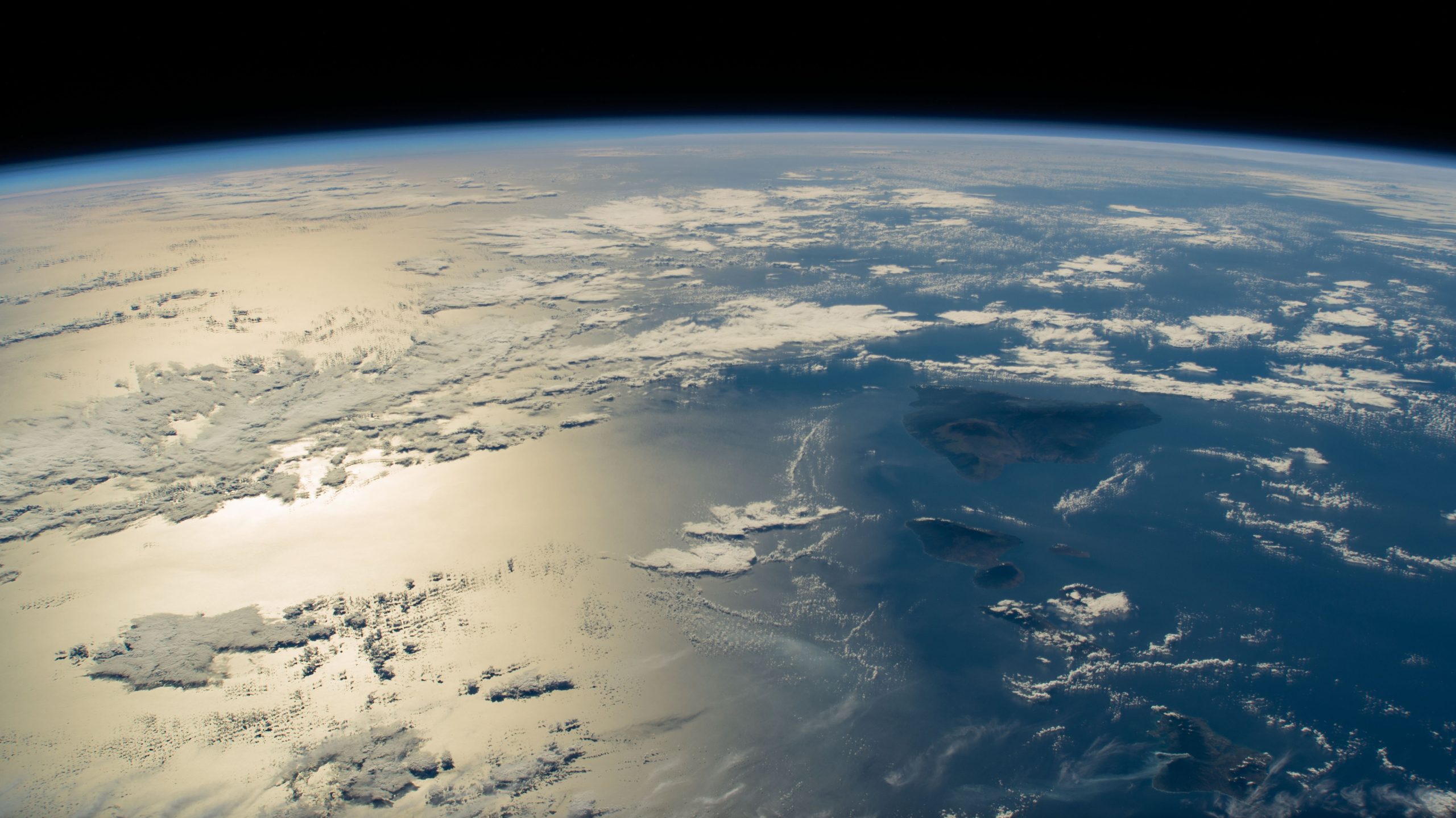
    Sun’s Glint Beams Across Pacific Ocean
    The sun’s glint beams across the Pacific Ocean in this photograph from the International Space Station as it orbited 259 miles above the Hawaiian island chain. Credit: NASA

    The Expedition 70 crew mainly focused Wednesday’s scientific research activities on the human eye and Earth observations while also continuing its life support maintenance tasks. The orbital residents will also welcome a cargo mission due to launch to the International Space Station (ISS) this week.

    Vision Studies in Space

    Vision is a critical element contributing to the success of a spaceflight and doctors want to understand how living in space during a long-term mission affects the human eye. Researchers on the ground observe astronauts with a variety of instruments and experiments on the station collecting data for analysis. Insights may show what happens to the eye when continuously exposed to weightlessness and how an astronaut’s vision re-adjusts to gravity after returning to Earth.
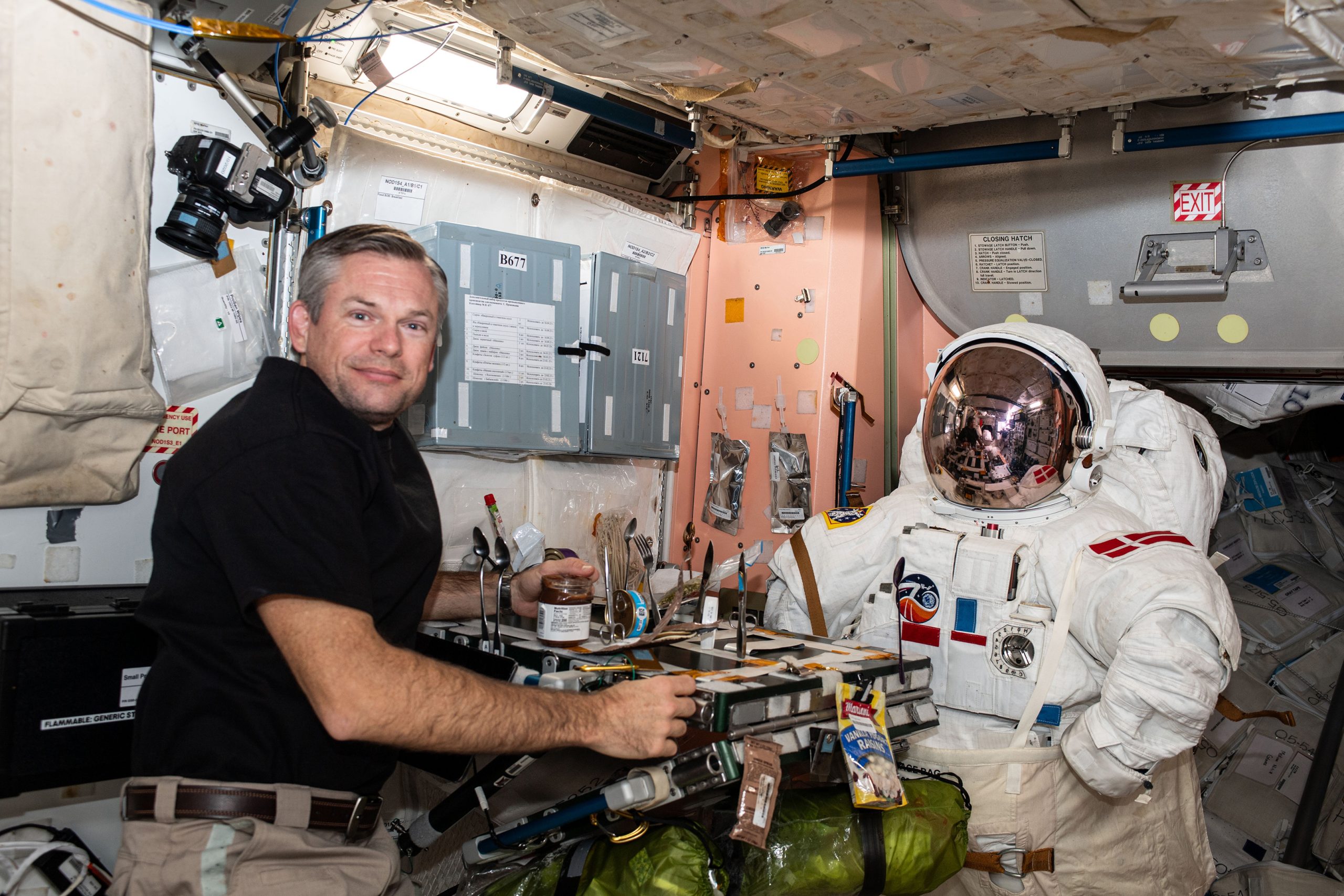
    Astronaut Andreas Mogensen Poses With Spacesuit
    ESA (European Space Agency) astronaut and Expedition 70 Commander Andreas Mogensen poses for a playful portrait with an empty spacesuit across from him inside the galley in the International Space Station’s Unity module. Credit: NASA

    CIPHER Suite Studies

    One portion of the CIPHER suite of human research studies taking place on the orbital lab today is looking at space-caused structural and functional changes in the eye. Astronauts Loral O’Hara and Satoshi Furukawa joined each other in the Columbus laboratory module for the advanced biology study. The duo first attached electrodes around their eyes to measure their retinal activity in response to light stimuli. Next, O’Hara from NASA and Furukawa from JAXA (Japan Aerospace Exploration Agency) peered into medical imaging hardware for a closer look at their retinas. Finally, Furukawa imaged the eyes of Commander Andreas Mogensen from ESA (European Space Agency) using the same medical gear found in an optometrist’s office on Earth.

    Camera Installation and Robotics Training

    O’Hara also partnered with Mogensen during the day configuring camera gear that will be installed outside the space station on a future date. O’Hara then cleaned spacesuit helmets and stowed spacewalking gear inside the Quest airlock. Mogensen brushed up on his Canadarm2 robotics skills training on a computer to maintain his proficiency when operating the 57.7-foot-long robotic arm.
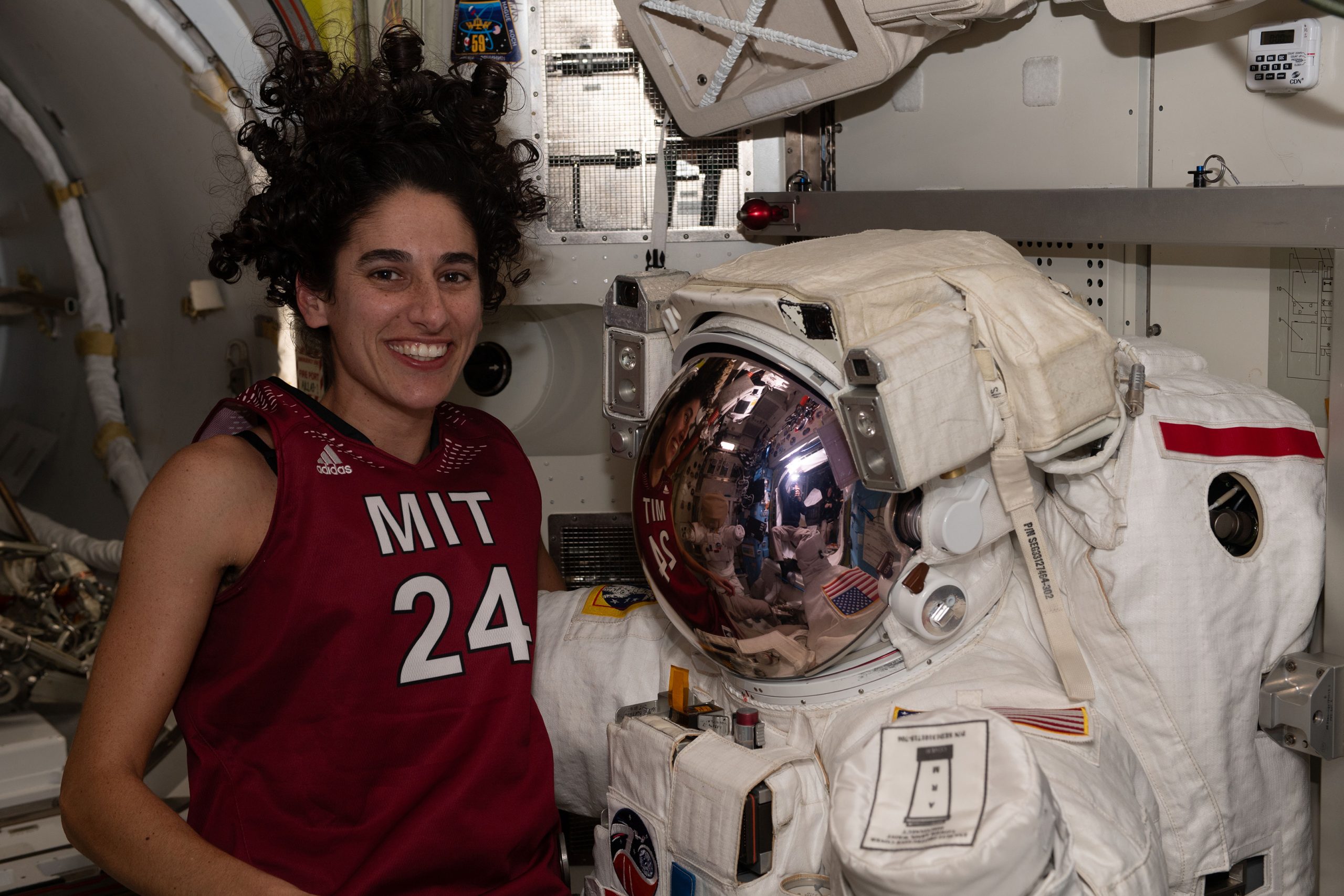
    Astronaut Jasmin Moghbeli Poses With Spacesuit
    NASA astronaut and Expedition 70 Flight Engineer Jasmin Moghbeli poses with a spacesuit in the International Space Station’s Quest airlock. Credit: NASA

    Orbital Plumbing and Earth Observations

    NASA Flight Engineer Jasmin Moghbeli spent all day in the Tranquility module working on orbital plumbing tasks. She removed and replaced components on the water recovery system that is part of the bathroom, also known as the Waste and Hygiene Compartment, located in Tranquility.

    In the Roscosmos segment of the orbital outpost, the cosmonauts worked on a variety of Earth observation hardware supporting three different experiments. Veteran cosmonaut Oleg Kononenko set up a camera to monitor the effects of natural disasters and human-caused catastrophes on the ground. Flight Engineer Nikolai Chub configured a different set of camera gear pointing it toward Earth to image upper atmosphere clouds and gain more climate data. Flight Engineer Konstantin Borisov swapped lenses on the EarthKAM camera remotely controlled by students to capture their own imagery of Earth landmarks.

    Upcoming Cargo Mission

    The SpaceX Dragon cargo spacecraft attached to the company’s Falcon 9 rocket is at the launch pad today at NASA’s Kennedy Space Center. Packed with several thousand pounds of new science experiments, crew supplies, and station hardware, Dragon is counting down to a liftoff at 8:28 p.m. EST on Thursday. It will arrive at the station on Saturday during its automated approach and rendezvous and dock to the Harmony module’s forward port at 5:21 a.m. O’Hara and Moghbeli will be on duty monitoring Dragon’s arrival.

    Never miss a breakthrough: Join the SciTechDaily newsletter.
    Follow us on Google and Google News.

    Astronaut International Space Station NASA
    Share. Facebook Twitter Pinterest LinkedIn Email Reddit

    Related Articles

    NASA’s Crew-9 Returns After 286-Day Mission With a Spectacular Splashdown in the Gulf of America

    NASA’s SpaceX Crew-9 Splashes Down Off Coast of Florida

    SpaceX Dragon Undocks With NASA Crew-9 Members for Return to Earth

    Liftoff! NASA’s SpaceX Crew-10 Blasts Off From Kennedy Space Center [Video]

    Rocket Ready: NASA’s SpaceX Crew-10 Set for Liftoff

    NASA’s SpaceX Crew-10 Was Moments From Liftoff – Then a Last-Minute Malfunction Shut It Down

    NASA’s SpaceX Crew-10: Four Astronauts, a 17,500 MPH Rocket, and 200+ Experiments

    No Treadmill, No Problem – NASA’s Space Workout Experiment Could Change Fitness Forever

    NASA and SpaceX’s Unexpected Spacecraft Swap Sends Crew-10 to Space Sooner

    Leave A Reply Cancel Reply

    • Facebook
    • Twitter
    • Pinterest
    • YouTube

    Don't Miss a Discovery

    Subscribe for the Latest in Science & Tech!

    Trending News

    Scientists Discover Stem Cells That Could Regrow Teeth and Bone

    Early Cannabis Use May Stall Key Brain Skills in Teens

    Popular Vitamin D Supplement Has “Previously Unknown” Negative Effect, Study Finds

    Study Reveals Malaria’s Hidden Role in Human Evolution

    The Hidden Risk of Taking Breaks From Weight-Loss Drugs Like Ozempic

    Scientists Warn That This Common Pet Fish Can Wreck Entire Ecosystems

    Scientists Make Breakthrough in Turning Plastic Trash Into Clean Fuel Using Sunlight

    This Popular Supplement May Interfere With Cancer Treatment, Scientists Warn

    Follow SciTechDaily
    • Facebook
    • Twitter
    • YouTube
    • Pinterest
    • Newsletter
    • RSS
    SciTech News
    • Biology News
    • Chemistry News
    • Earth News
    • Health News
    • Physics News
    • Science News
    • Space News
    • Technology News
    Recent Posts
    • Beyond Inflammation: Scientists Uncover New Cause of Persistent Rheumatoid Arthritis
    • Cancer-Like Mutations Found in the Brain May Be Driving Alzheimer’s Disease
    • A Simple Molecule Could Unlock Safer, Easier Weight Loss
    • Stretching Diamonds Unlocks Powerful New Quantum Sensing Abilities
    • This Robot Could Explore Mars 3x Faster Than Today’s Rovers
    Copyright © 1998 - 2026 SciTechDaily. All Rights Reserved.
    • Science News
    • About
    • Contact
    • Editorial Board
    • Privacy Policy
    • Terms of Use

    Type above and press Enter to search. Press Esc to cancel.