
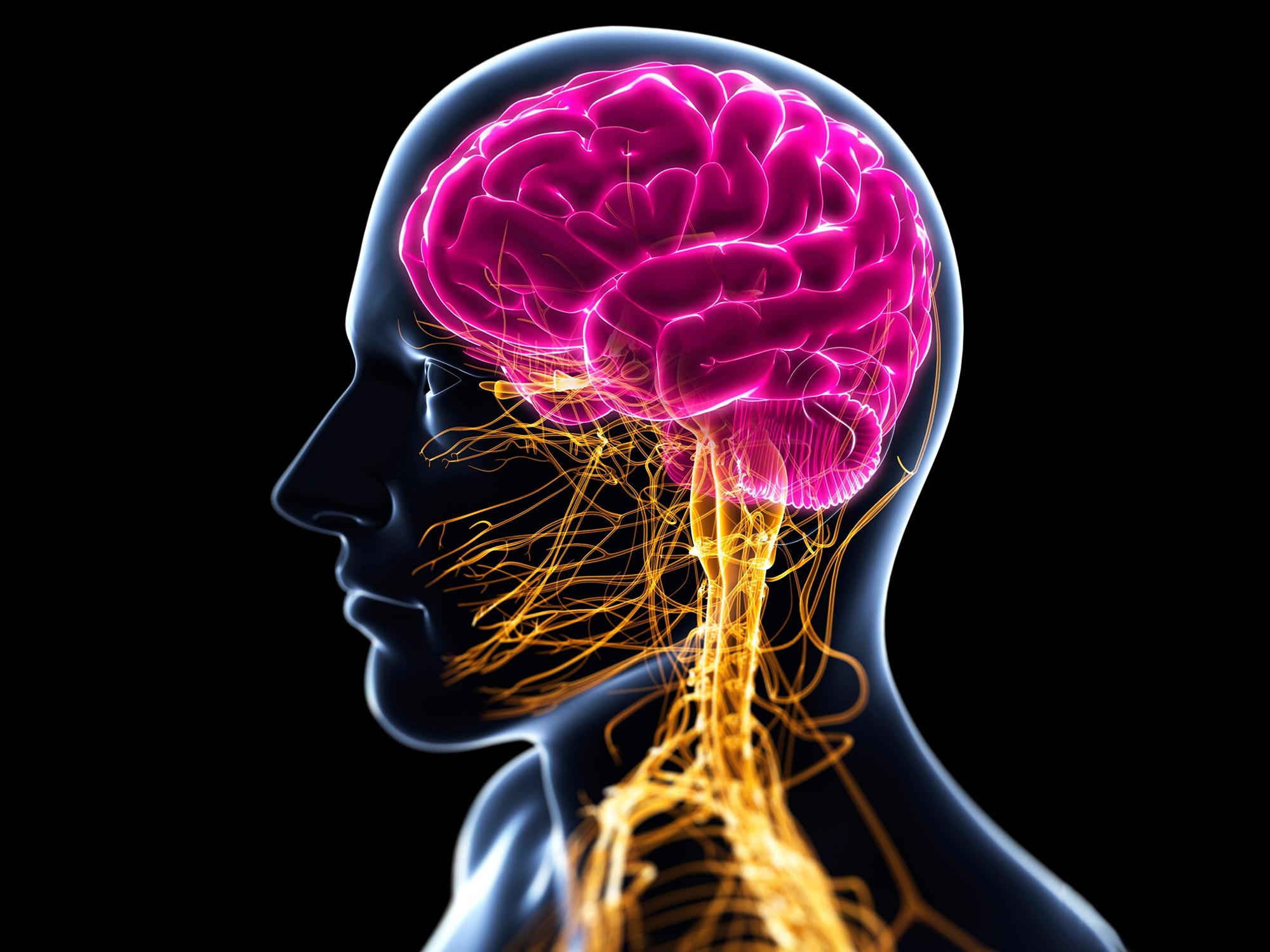
A groundbreaking clinical trial has revealed that nerve-stimulating therapy can bring significant improvements to people with severe, treatment-resistant depression.
Nearly 500 participants, many unable to work due to their condition, received devices that stimulate the vagus nerve—a critical connection between the brain and body. After a year, those with activated devices reported measurable improvements in symptoms, quality of life, and daily functioning.
Breakthrough in Treatment-Resistant Depression
People with severe, treatment-resistant depression experienced significant improvements in depressive symptoms, quality of life, and daily functioning after undergoing a year of nerve-stimulating therapy. These results come from a national, multicenter clinical trial led by Washington University School of Medicine in St. Louis and were published on December 18 in two papers in the journal Brain Stimulation.
The study included nearly 500 participants from 84 sites across the United States, all of whom had severe depression that had not responded to medication or other treatments. This trial is part of the larger RECOVER study, with another ongoing arm focusing on bipolar depression. Three-quarters of the participants were so severely affected that they were unable to work.
Each participant had a device implanted to stimulate the left vagus nerve, a critical link between the brain and internal organs. However, only half of these devices were activated. Researchers monitored the participants using multiple validated assessment tools. While the primary assessment did not show a significant difference between the groups with active and inactive devices, other measures indicated substantial benefits for those with activated devices.
“These patients are extremely ill, and most have been for a very long time,” said Charles R. Conway, MD, a professor of psychiatry at WashU Medicine and the principal investigator of the RECOVER trial. “On average, each patient had already tried 13 treatments that failed to help them before they enrolled in the trial, and they had spent more than half of their lives sick with depression. But despite that super-high level of sustained illness, we still see statistically significant, measurable improvements in depressive symptoms, quality of life, and functional outcomes.”
Significance and Impact of Vagus Nerve Stimulation
The improvements observed are potentially life-changing for these patients with severe, refractory depression, Conway said. Severe depression can render people “paralyzed by life,” unable to accomplish the tasks of daily living. The amount of improvement experienced by the participants could be the difference between being unable to get out of bed and being productive and effectively interacting with loved ones, Conway said.
A vagus nerve stimulation device was approved by the Food and Drug Administration (FDA) nearly two decades ago for treatment-resistant depression, but it has not become widely available. Between the cost of the device itself and the surgery to implant it, the therapy can be unaffordable for many patients, as the Centers for Medicare and Medicaid Services (CMS) and most private insurance plans currently don’t cover it.
Designed with an eye toward gathering the data that CMS needs to determine whether to cover the therapy, the RECOVER study aims to evaluate the effectiveness of vagus nerve stimulation therapy for treatment-resistant depression, both alone and as part of bipolar disorder. Many private health insurance companies follow the lead of CMS when it comes to coverage, so a decision by CMS to cover the device and the implantation surgery could make the therapy available to many more people. CMS helped design the RECOVER study and provided some funding.
Technical Aspects and Study Setup
Vagus nerve stimulation therapy for treatment-resistant depression involves implanting a pacemaker-like device under the skin in the chest with a wire connected to the left vagus nerve in the neck. The device is part of the VNS Therapy System manufactured by LivaNova USA, Inc., which also sponsored and funded the trial in partnership with CMS.
The VNS Therapy device emits stimulation to the nerve, which in turn sends electrical pulses to areas of the brain associated with mood regulation. In this study, 493 people were implanted with devices and approximately half (249) of the devices were activated for the 12-month randomized control period. The other half of the devices did not have active stimulation during the control period.
Trial Results and Patient Responses
The first two months of the 12-month trial period were dedicated to getting the devices’ electrical parameters properly adjusted to each patient. Starting in month three, the researchers obtained monthly evaluations of the participants’ depressive symptoms using four validated assessment tools, two of which were completed by blinded, off-site clinicians on the research team, one by an on-site psychiatrist or psychologist, and one by the patients themselves. The participants also rated their own quality of life and ability to perform the tasks of daily living every three months using three validated tools for quality of life and two for functional abilities.
All participants were already in treatment for depression and continued seeing their treating mental-health providers during the trial. Providers were discouraged from starting patients on new antidepressant treatments during the trial, but those who were already receiving treatments were encouraged to continue with them. Outcomes were measured in terms of the percentage of time participants experienced relief of depressive symptoms.
Long-Term Effects and Ongoing Research
Overall, people with activated devices spent significantly more time with improved symptoms than did those with inactive devices. Complete remission was rare and did not differ between groups. People with activated devices also reported significant improvement in quality of life and functional abilities.
“What’s really important here is that patients themselves were reporting that their lives were improving,” Conway said. “You have a population of people that has been failed by a ridiculously high number of treatments, including very aggressive treatments such as electroconvulsive therapy. And they’re not just saying, ‘Yeah, I feel a little better.’ They’re saying they are seeing meaningful improvements in their ability to function and live their lives. And the nice thing about vagus nerve stimulation, we know from other studies, is that when the patient responds, the effects usually stick.”
Reflections on the Trial and Future Directions
Most of the improvements weren’t seen until the last three months of the trial. This finding was unsurprising, given that potential improvements from vagus nerve stimulation are known to progress slowly over the first year of treatment. At the end of the year, the devices that had been off during the 12-month control period were turned on. The primary outcome measure failed to show a significant difference between the two treatment groups, because the off group reported more improvement than expected, particularly in the last several weeks. Of note, all participants knew that the devices would be activated at year’s end, which may have affected those in the control group who knew potential relief was forthcoming, said Conway.
The participants will be followed for another four years to determine how long the effects last and how much the participants ultimately benefit. In addition, researchers are working on identifying patients’ characteristics tied to the greatest response.
References:
“Vagus nerve stimulation in treatment-resistant depression: A one-year, randomized, sham-controlled trial” by
Charles R. Conway, Scott T. Aaronson, Harold A. Sackeim, Mark S. George, John Zajecka, Mark T. Bunker, Walter Duffy, Mary Stedman, Patricio Riva-Posse, Rebecca M. Allen, João Quevedo, Matthew Berger, Gustavo Alva, Mohd A. Malik, David L. Dunner, Ivan Cichowicz, Michael Banov, Lucian Manu, Ziad Nahas, Matthew Macaluso, Brian J. Mickey, Yvette Sheline, Christopher L. Kriedt, Ying-Chieh (Lisa) Lee, Charles Gordon, Olivia Shy, Quyen Tran, Laura Yates and A. John Rush, 18 December 2024, Brain Stimulation.
DOI: 10.1016/j.brs.2024.12.1191
“Effects of vagus nerve stimulation on daily function and quality of life in markedly treatment-resistant major depression: Findings from a one-year, randomized, sham-controlled trial” by A. John Rush, Charles R. Conway, Scott T. Aaronson, Mark S. George, Patricio Riva-Posse, David L. Dunner, John Zajecka, Mark T. Bunker, João Quevedo, Rebecca M. Allen, Gustavo Alva, Heather Luing, Ziad Nahas, Lucian Manu, Jeffrey I. Bennett, Brian J. Mickey, Jonathan Becker, Yvette Sheline, Cristina Cusin, James W. Murrough, Kevin Reeves, Peter B. Rosenquist, Ying-Chieh (Lisa) Le, Shannon Majewski, Jeffrey Way, Bryan Olin and Harold A. Sackeim, 18 December 2024, Brain Stimulation.
DOI: 10.1016/j.brs.2024.12.1187
Never miss a breakthrough: Join the SciTechDaily newsletter.
Follow us on Google and Google News.