
Close Menu
    Facebook X (Twitter) Instagram
    SciTechDaily
    • Biology
    • Chemistry
    • Earth
    • Health
    • Physics
    • Science
    • Space
    • Technology
    Facebook X (Twitter) Pinterest YouTube RSS
    SciTechDaily
    Home»Technology»Science Made Simple: How Do Lithium-Ion Batteries Work?
    Technology

    Science Made Simple: How Do Lithium-Ion Batteries Work?

    By Scott Minos, U.S. Department of EnergyApril 20, 2024No Comments2 Mins Read
    Facebook Twitter Pinterest Telegram LinkedIn WhatsApp Email Reddit
    Share
    Facebook Twitter LinkedIn Pinterest Telegram Email Reddit
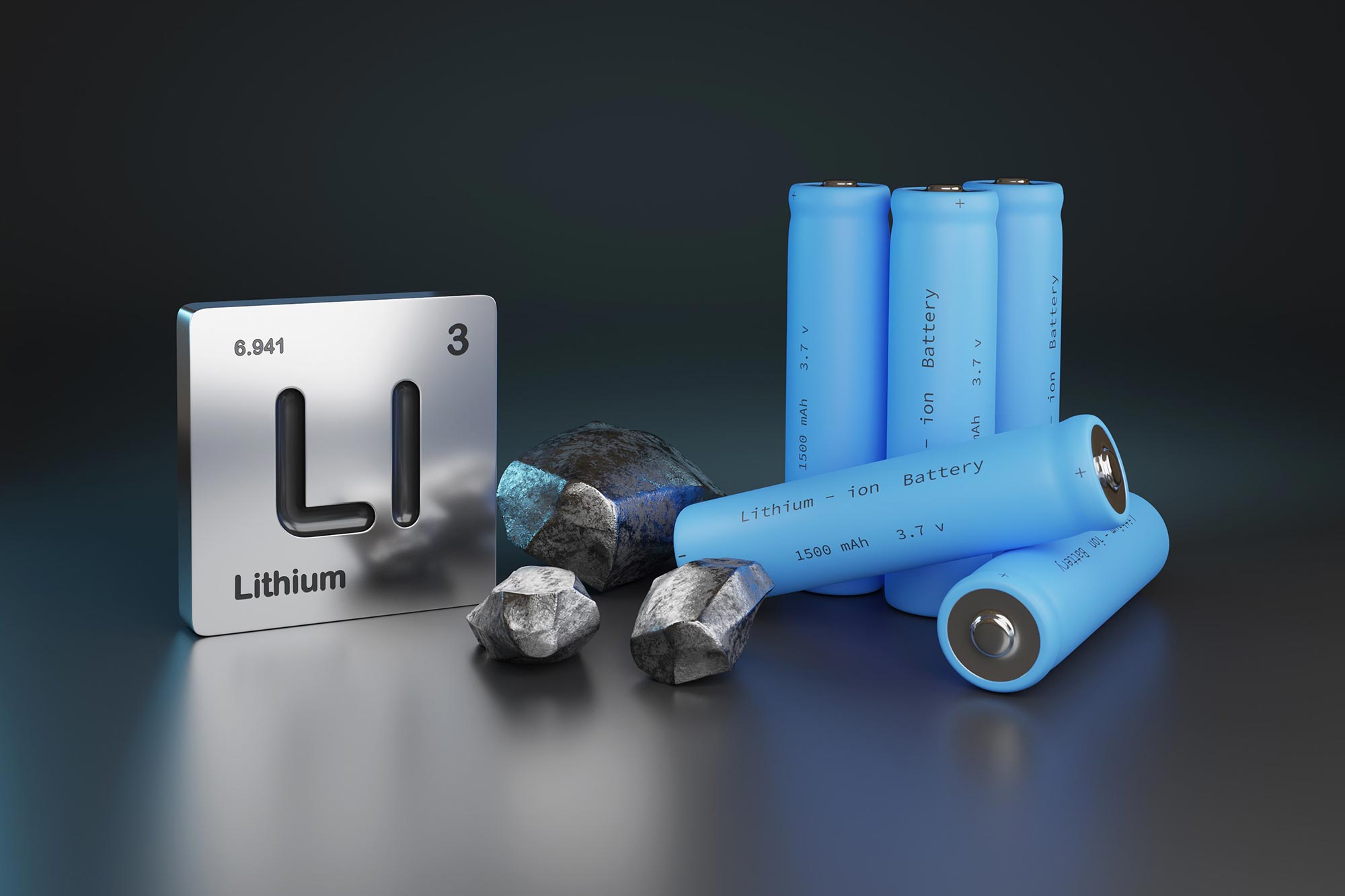
    Lithium-Ion Batteries Concept
    Lithium-ion batteries are pivotal in powering modern devices, utilizing lithium ions moving across electrodes to store energy efficiently. They are preferred for their long-lasting charge and minimal maintenance, though they must be managed carefully due to potential safety and environmental challenges.

    Lithium-ion batteries power the lives of millions of people each day. From laptops and cell phones to hybrids and electric cars, this technology is growing in popularity due to its light weight, high energy density, and ability to recharge.

    So how does it work?

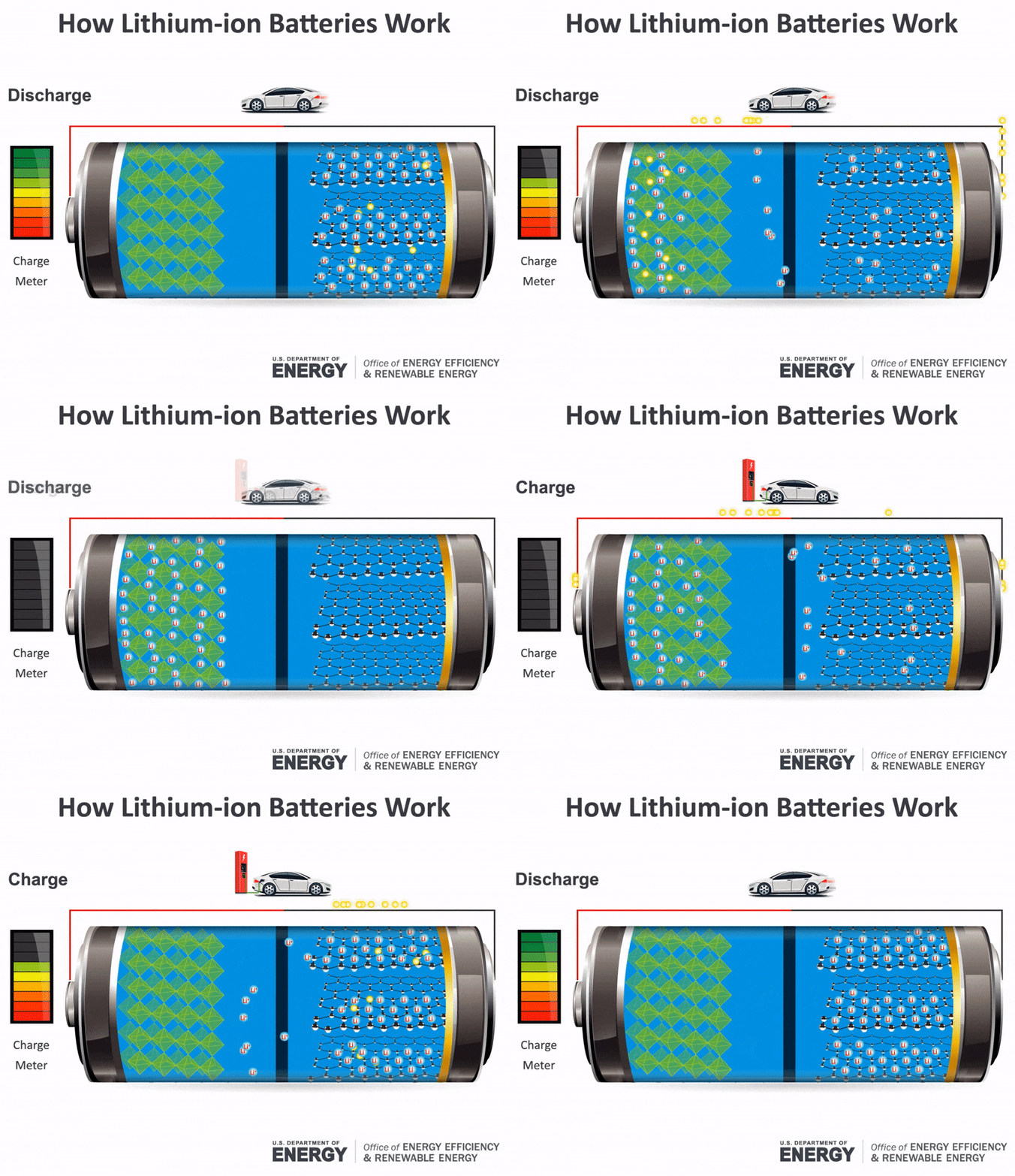
    This animation walks you through the process.
    How Lithium Ion Batteries Work

    The Basics

    A battery is made up of an anode, cathode, separator, electrolyte, and two current collectors (positive and negative). The anode and cathode store the lithium. The electrolyte carries positively charged lithium ions from the anode to the cathode and vice versa through the separator. The movement of the lithium ions creates free electrons in the anode which creates a charge at the positive current collector. The electrical current then flows from the current collector through a device being powered (cell phone, computer, etc.) to the negative current collector. The separator blocks the flow of electrons inside the battery.

    Charge/Discharge

    While the battery is discharging and providing an electric current, the anode releases lithium ions to the cathode, generating a flow of electrons from one side to the other. When plugging in the device, the opposite happens: Lithium ions are released by the cathode and received by the anode.

    Energy Density vs. Power Density

    The two most common concepts associated with batteries are energy density and power density. Energy density is measured in watt-hours per kilogram (Wh/kg) and is the amount of energy the battery can store with respect to its mass. Power density is measured in watts per kilogram (W/kg) and is the amount of power that can be generated by the battery with respect to its mass. To draw a clearer picture, think of draining a pool. Energy density is similar to the size of the pool, while power density is comparable to draining the pool as quickly as possible.

    The Department of Energy’s Vehicle Technologies Office (VTO) works on increasing the energy density of batteries, while reducing the cost, and maintaining an acceptable power density. For more information on VTO’s battery-related projects, please visit the Vehicle Technologies Office website.

    Never miss a breakthrough: Join the SciTechDaily newsletter.
    Follow us on Google and Google News.

    Battery Technology DOE Energy Lithium-Ion
    Share. Facebook Twitter Pinterest LinkedIn Email Reddit

    Related Articles

    Scientists Discover Promising New Electrolyte for Solid-State Lithium-Ion Batteries

    A Cousin of Table Salt Could Make Rechargeable Batteries Faster and Safer

    Redesigned Current Conductors Boost Lithium-Ion Battery Efficiency and Safety

    Unlocking Ultra-Thin Energy Storage Materials for Faster Charging, Longer-Lasting Batteries

    Battery Breakthrough to Give Flight to Electric Aircraft and Boost Long-Range Electric Cars

    Flexible Electrolyte Sheet Breakthrough for Advanced Lithium Metal Batteries

    Better Lithium-Ion Batteries Possible With Nanoscale Molecular View of Self-Assembling Structure

    Using Light to Recharge Lithium-Ion Batteries Twice As Fast

    Cause of Harmful Dendrites and Whiskers in Lithium Batteries Uncovered [Video]

    Leave A Reply Cancel Reply

    • Facebook
    • Twitter
    • Pinterest
    • YouTube

    Don't Miss a Discovery

    Subscribe for the Latest in Science & Tech!

    Trending News

    First-of-Its-Kind Discovery: Homer’s Iliad Found Embedded in a 1,600-Year-Old Egyptian Mummy

    Beyond Inflammation: Scientists Uncover New Cause of Persistent Rheumatoid Arthritis

    A Simple Molecule Could Unlock Safer, Easier Weight Loss

    Scientists Just Built a Quantum Battery That Charges Almost Instantly

    Researchers Unveil Groundbreaking Sustainable Solution to Vitamin B12 Deficiency

    Millions of People Have Osteopenia Without Realizing It – Here’s What You Need To Know

    Researchers Discover Boosting a Single Protein Helps the Brain Fight Alzheimer’s

    World-First Study Reveals Human Hearts Can Regenerate After a Heart Attack

    Follow SciTechDaily
    • Facebook
    • Twitter
    • YouTube
    • Pinterest
    • Newsletter
    • RSS
    SciTech News
    • Biology News
    • Chemistry News
    • Earth News
    • Health News
    • Physics News
    • Science News
    • Space News
    • Technology News
    Recent Posts
    • Scientists Discover New Way To Make Drug-Resistant Cancer Treatable Again
    • This Simple Exercise Trick Builds Muscle With Less Effort, Study Finds
    • Middle Age Is Becoming a Breaking Point in America, Study Reveals
    • Scientists Discover How Coffee Impacts Memory, Mood, and Gut Health
    • How Cells Copy DNA Might Matter More Than We Ever Realized
    Copyright © 1998 - 2026 SciTechDaily. All Rights Reserved.
    • Science News
    • About
    • Contact
    • Editorial Board
    • Privacy Policy
    • Terms of Use

    Type above and press Enter to search. Press Esc to cancel.